Why black mold keeps coming back after cleaning in Fort Pierce homes
Black mold returns in Fort Pierce homes because bleach and store-bought sprays kill surface growth but never fix the moisture feeding it. Here's what actually stops it.
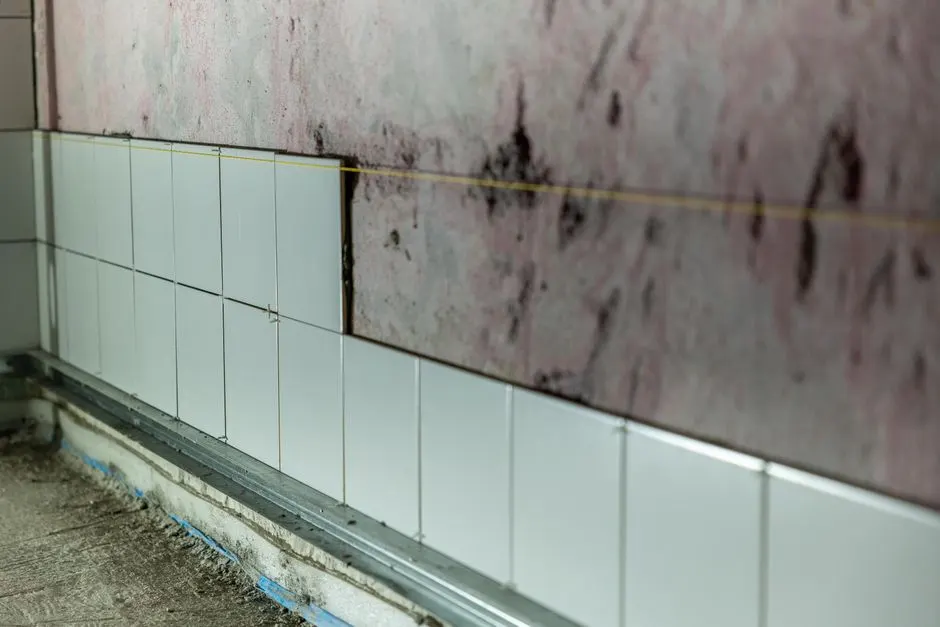
Black mold keeps coming back in Fort Pierce homes because cleaning kills the mold you can see but leaves the moisture source that feeds it. Until that water source - a leaking pipe, a slow roof drip, or Fort Pierce's year-round humidity pushing indoor moisture above 60% - is found and fixed, mold regrowth is guaranteed within weeks. This article walks through the real reasons recurring mold happens here, what most homeowners get wrong, and how to stop it for good.
We've walked hundreds of homes from the Indian River waterfront to the older blocks off Orange Avenue, and the pattern is almost always the same. Someone scrubs the bathroom ceiling with bleach, it looks clean for a month, then the black speckling is back. That cycle isn't bad luck. It's physics.
Why black mold keeps coming back Fort Pierce homeowners can't stop
Why black mold keeps coming back Fort Pierce residents ask about is almost never about the cleaning product - it's about water. Mold needs three things: mold spores (which are everywhere in Florida air), an organic food source (drywall paper, wood framing, carpet backing), and moisture. You can't remove spores from the air, and you can't remove drywall from a wall without rebuilding it. That leaves moisture as the only variable you can actually control.
When we run a moisture meter across a wall that's been "cleaned" three times, we routinely find readings between 18% and 28% wood moisture content. Dry, mold-safe wood sits at 12% or below. Anything above 16% and you're running a mold farm behind the paint.
Black mold recurring Fort Pierce cases we see fall into two buckets. The first is a one-time water event - a supply line burst, a toilet overflow, a storm leak - where the surface was dried but the wall cavity wasn't. The second is chronic: a slow drip under a sink, an AC condensate line draining into the wrong place, or a crawl space that never dries out. Both produce the same result. The mold comes back because the water never left.
Why bleach and store-bought sprays fail on black mold
Bleach kills mold on non-porous surfaces like tile and glass, but it cannot penetrate drywall, wood, or grout, so the mold's root structure survives and regrows. That's the short answer to "mold keeps coming back after bleach Fort Pierce FL" - and it's why the black staining returns in the same spot every time.
There's a second problem with bleach. It's mostly water, and water feeds mold. You spray a bleach solution on a porous surface, the chlorine flashes off within minutes, and what's left behind is moisture soaking into the material. On drywall, that's the worst possible outcome.
Store-bought "mold killer" sprays have the same limitation. They're designed for surface cleanup, not remediation. They don't address the colony growing inside the paper facing of drywall or the spores that have settled into carpet fibers and ductwork. If you've ever cleaned a bathroom ceiling, watched it stay white for six weeks, then seen the speckles return, you've experienced exactly this.
What actually works on porous materials is physical removal - cutting out contaminated drywall, sanding or wire-brushing wood, HEPA-vacuuming surfaces - followed by an antimicrobial treatment that keeps working after the surface dries. That's the difference between cleaning and remediation.
Why mold returns in Florida humidity in Fort Pierce
Fort Pierce averages 75% to 80% outdoor relative humidity for most of the year, and that number climbs higher during the June-through-September wet season. Indoor air conditioned spaces are usually fine at 50% to 55%, but the moment your AC stops running - a power outage, a vacation, a broken capacitor in August - indoor humidity can spike past 65% within 24 to 48 hours.
At 65% relative humidity and 77°F, mold spores can colonize a damp surface in 24 to 48 hours. At 70% and above, that window shrinks. This is why we see recurring mold problems in Fort Pierce homes that sit vacant for even a week in summer, and why snowbird properties along the Indian River Lagoon often have attic and closet mold when the owners return in the fall.
Fort Pierce's building stock makes it worse. A large share of homes here were built between 1950 and 1985, before modern vapor barriers and sealed crawl spaces were standard. Those older homes have pier-and-beam foundations, original single-pane windows, and HVAC systems that were retrofitted rather than designed for the house. All three create moisture pathways that a newer build simply doesn't have.
If you want to understand the full picture of what's happening in your specific home, professional mold testing Fort Pierce is the fastest way to find out. A moisture map and air sample tell you exactly where the water is and how bad the spore load has gotten.
The hidden moisture sources we find in Fort Pierce homes
When we investigate recurring mold in Fort Pierce, we're looking for water in places homeowners don't check. Here are the sources we find most often, roughly in order of frequency:
- AC condensate drain lines that discharge under the house or into a crawl space instead of to the exterior. This runs 5 to 20 gallons of water per day into the same spot all summer.
- Slow supply-line leaks under kitchen and bathroom sinks - often only a drop every few minutes, but enough to keep cabinet bases at 25% moisture content year-round.
- Roof and flashing leaks around chimneys, vents, and skylights. These drip into attic insulation, which hides the water until the ceiling stains appear.
- Crawl space ground moisture with no vapor barrier. Fort Pierce's water table sits high, and bare dirt under a house releases moisture upward 24/7.
- HVAC air handler pans with clogged drain ports. The pan overflows a little every day, soaking the platform and the surrounding ductwork.
- Window and door frame leaks during driving rain, especially on the east and south sides of the house where storm winds hit hardest.
Any one of these will keep a mold colony alive indefinitely. Two or three together - which is common in older Fort Pierce homes - and you'll never win the cleaning battle.
If you own or manage a rental property, a small commercial space, or a multi-unit building, the math gets worse because water events affect more square footage. That's where our commercial mold remediation Fort Pierce team comes in - we handle larger moisture investigations and can work around tenant schedules.
Common mistakes that make recurring mold worse
Most of the recurring mold calls we get trace back to one of these five mistakes. Fix the mistake and the mold usually stops returning.
- Painting over mold. Paint and primer seal the surface but don't kill the colony. The mold eats through the paint from behind, and you get bubbling, peeling, and black staining within a few months.
- Running a fan without fixing the water. Air movement helps dry a surface, but if the moisture source is still active, you're just spreading spores around the room.
- Using a shop vac on dry mold. A standard shop vac blows fine spores out the exhaust and into the rest of the house. We use HEPA-filtered vacuums for a reason.
- Ignoring the HVAC system. If mold is growing in the air handler or ductwork, every time the AC kicks on it re-seeds the rooms you just cleaned. Air duct mold cleaning is often the missing step.
- Assuming the crawl space is fine because you can't see it. Crawl spaces are where we find the worst mold and the highest moisture readings in Fort Pierce homes. Out of sight is not out of the moisture cycle.
One more mistake worth calling out: treating a recurring problem as a cleaning problem. If you've cleaned the same area three times and it keeps coming back, the issue is no longer on the surface. It's inside the wall, under the floor, or above the ceiling.
How to stop mold from returning in Fort Pierce
Stopping mold from returning in Fort Pierce means fixing the water first, removing the contaminated material second, and controlling indoor humidity third. Skip any of those three and the cycle restarts.
Step one is finding the water. That means a proper moisture investigation - thermal imaging, pin-type and pinless meters, and sometimes a borescope into wall cavities. We don't guess. We measure.
Step two is removing what's already contaminated. Porous materials like drywall, insulation, and carpet that have been wet for more than 48 hours usually can't be saved. We cut them out, bag them, and dispose of them properly. Non-porous surfaces get HEPA-vacuumed and treated with an antimicrobial that continues working after it dries.
Step three is keeping the space dry. In Fort Pierce, that usually means one or more of the following:
- Repairing the leak or drainage issue at the source
- Installing or repairing a vapor barrier in the crawl space
- Adding a dehumidifier to keep indoor humidity at 50% or below
- Sealing ductwork and cleaning the air handler
- Correcting grading and downspout drainage outside the house
We handle all of this under one roof, which matters because a moisture problem rarely has just one cause. If you want the full-service version rather than piecemeal fixes, our mold prevention Fort Pierce service is built exactly for homes that have had mold come back more than once.
Typical 2026 pricing in this area for a full residential remediation - including containment, removal of contaminated materials, antimicrobial treatment, and clearance testing - runs $2,200 to $6,500 depending on square footage and how far the moisture has spread. Crawl space encapsulation, if needed, adds $1,800 to $5,000. A standalone mold inspection with lab samples usually runs $350 to $650.
When to call a professional
Call a professional when mold has come back after two or more cleaning attempts, when the affected area is larger than 10 square feet, or when you can smell that musty odor in a room with no visible mold. Any of those three signals means the problem is behind the surface.
You should also call us if anyone in the house has ongoing allergy symptoms, asthma flare-ups, or unexplained headaches that improve when they leave the house. Mold exposure affects people differently, but recurring symptoms tied to a specific room are a strong indicator.
At CoveGuard Mold Solutions, we start every recurring-mold job with a moisture investigation, not a sales pitch. We find the water, show you what we found, and give you a clear scope before any work begins. If the fix is a $400 leak repair and a dehumidifier, we'll tell you that. If it's a full remediation, we'll walk you through exactly what's involved.
If you're dealing with recurring mold in a rental or investment property, our residential mold remediation Fort Pierce team handles single-family homes, duplexes, and small multi-unit buildings throughout the area.
Frequently Asked Questions
Why does black mold keep coming back in Fort Pierce?
Because the moisture source was never fixed. Cleaning kills surface mold, but if a leak, high humidity, or crawl space moisture remains, new growth appears within 2 to 6 weeks. Fort Pierce's 75%+ average humidity makes this faster here than in drier climates.
Does bleach kill black mold permanently in Fort Pierce FL?
No. Bleach kills mold on tile and glass but cannot penetrate drywall, wood, or grout, so the roots survive. It also leaves water behind, which feeds new growth. For porous materials, physical removal is the only permanent fix.
How do I stop mold from returning in my Fort Pierce home?
Fix the water source first, remove contaminated porous materials, then keep indoor humidity at 50% or below with proper ventilation or a dehumidifier. If you've cleaned the same spot three times, the problem is behind the surface.
What causes recurring mold in Fort Pierce?
The most common causes are AC condensate draining under the house, slow supply-line leaks, crawl space ground moisture with no vapor barrier, and attic roof leaks. Older Fort Pierce homes built before 1985 are especially prone to all four.
Should I hire a pro for recurring mold in Fort Pierce?
Yes, if mold has returned after two cleaning attempts, covers more than 10 square feet, or you smell it without seeing it. A professional moisture investigation finds the source, and remediation removes what cleaning can't reach.
Get help with Black Mold Remediation in Fort Pierce
If mold keeps coming back in your Fort Pierce home, the fix starts with finding the water - not with another bottle of bleach. CoveGuard Mold Solutions handles the investigation, the remediation, and the moisture control that keeps it from returning.
Call us at (772) 477-0320 to schedule a moisture inspection and get a clear plan for your home.