Focused arrival windows
Useful updates and clear arrival timing.
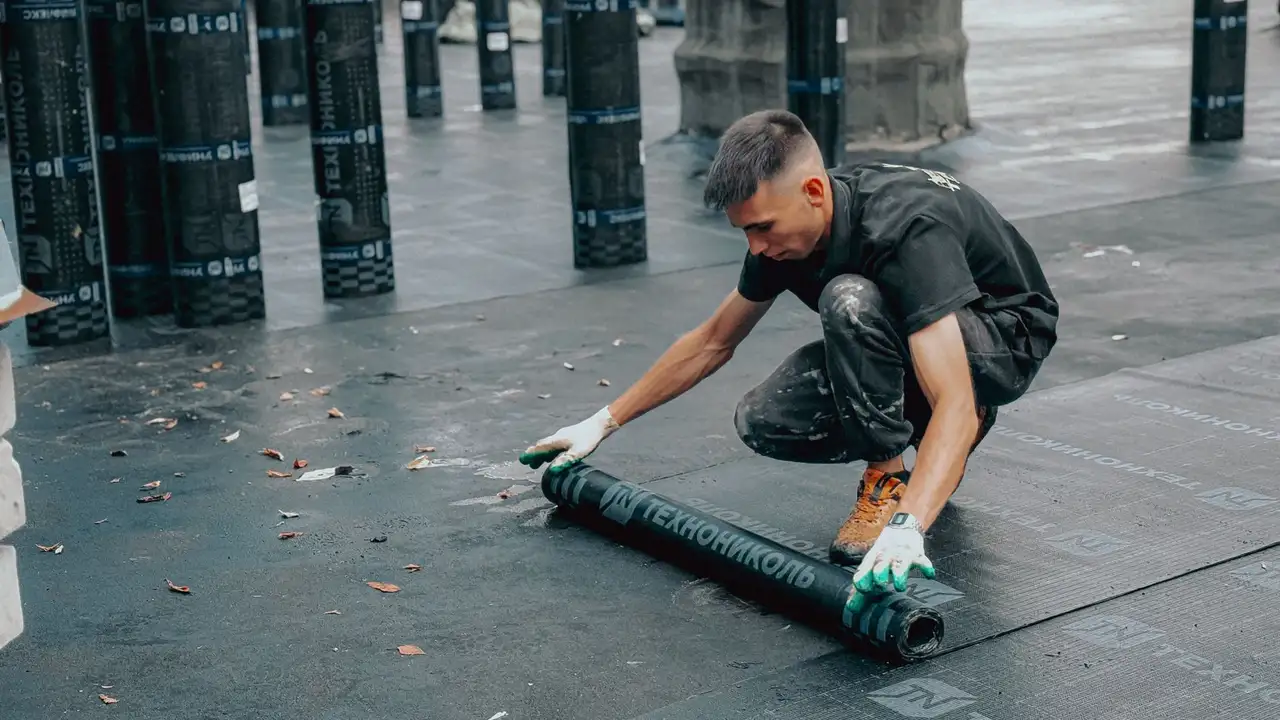
Mold Removal and Cleanup Fort Pierce FL starts with a same-day inspection and ends with a clearance test you can hand to your insurance adjuster. We pull moisture readings, cut out contaminated drywall, run HEPA air scrubbers, and treat every surface with antimicrobial. Whether it is black mold behind a South Beach bathroom wall or musty air in a Hutchinson Island condo, our team handles the whole job, not just the visible spots.
Useful updates and clear arrival timing.
Review the approach and price before deciding.
Equipped vehicles and respectful cleanup.
Neighbors serving neighbors with follow-through.
Every mold removal and cleanup Fort Pierce FL job includes inspection, containment, removal, antimicrobial treatment, drying, and clearance testing as one flat price. Add-ons like duct cleaning, vapor barriers, and drywall repair are quoted separately so you only pay for what your property actually needs.
Thermal imaging, moisture meter readings, and a boroscope look inside wall cavities. We map every wet zone before quoting so nothing gets missed behind cabinets or under floors.
6-mil plastic sheeting and duct tape isolate the work area, and a negative air machine with HEPA filters keeps spores from drifting into clean rooms during demolition.
Drywall, insulation, carpet, and pad that show mold growth get cut out, bagged, and disposed of per Florida waste rules. We cut to the nearest stud so repairs are clean.
Concrobium or Benefect applied to every exposed stud, joist, and block surface after HEPA vacuuming. This kills remaining spores and leaves a residual barrier against regrowth.
Dri-Eaz and Phoenix Restoration dehumidifiers plus air movers run until framing reads below 15 percent moisture. We monitor daily and adjust equipment placement.
Independent lab air samples and surface swabs confirm the remediation worked. You get a written report for your records, lender, or insurance carrier.
Share what is happening and receive a clear next step from the local team.
Mold Removal and Cleanup Fort Pierce FL is a containment-first process that removes fungal growth, dries the source of moisture, and verifies the air is clean before we pack up. We start with a moisture meter and thermal imaging camera to find wet drywall, damp framing, and hidden mold behind cabinets. Contaminated materials go into sealed plastic sheeting, HEPA vacuums capture settled spores, and a negative air machine keeps dust from spreading into clean rooms. Every affected surface gets an antimicrobial spray, and we finish with post-remediation verification so you know the job is actually done.
Fort Pierce sits in one of the wettest humidity zones in Florida, and that is why mold cleanup Fort Pierce calls come in year-round. Summer dew points above 70 degrees, afternoon thunderstorms, and hurricane-season leaks push moisture into attics, crawl spaces, and HVAC closets. We see it most in older River Park bungalows with original drywall and in beachside condos where a slow AC drain line soaks a wall for weeks. If you have been searching for mold removal near me Fort Pierce and finding thin one-page sites, this guide walks you through exactly what a real remediation looks like.
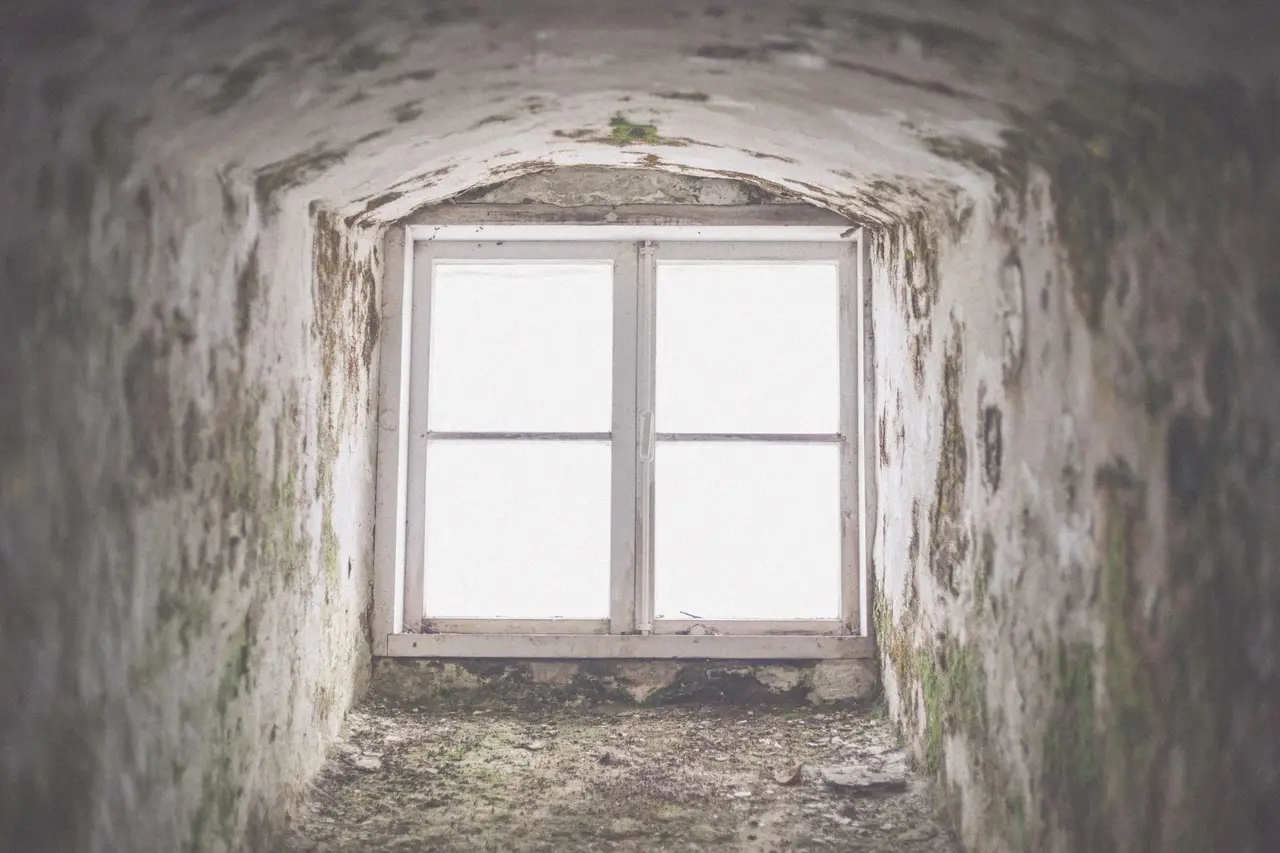
We walk the property with a moisture meter, thermal imaging camera, and boroscope inspection camera to map every wet zone. Air samples go to an accredited lab, and you get results in 24 to 48 hours. Most Fort Pierce homes take 60 to 90 minutes to inspect.
We seal the work area with 6-mil plastic sheeting and duct tape, then install a negative air machine with HEPA filters. This keeps spores from drifting into bedrooms or kitchens while we work. Setup usually takes 30 to 45 minutes per affected room.
Contaminated drywall, insulation, and carpet get cut out and bagged. We HEPA vacuum every stud, joist, and sill plate, then apply antimicrobial spray to the exposed framing. A 200-square-foot room typically takes one full day.
Dri-Eaz and Phoenix Restoration dehumidifiers run alongside air movers until structural moisture reads below 15 percent on the meter. That usually takes two to four days in Fort Pierce humidity. We check readings daily and adjust equipment as needed.
An independent lab runs final air samples and surface swabs. If counts are at or below outdoor baseline, we remove containment and hand you the clearance report. Most jobs clear on the first test; if not, we re-clean at no charge.
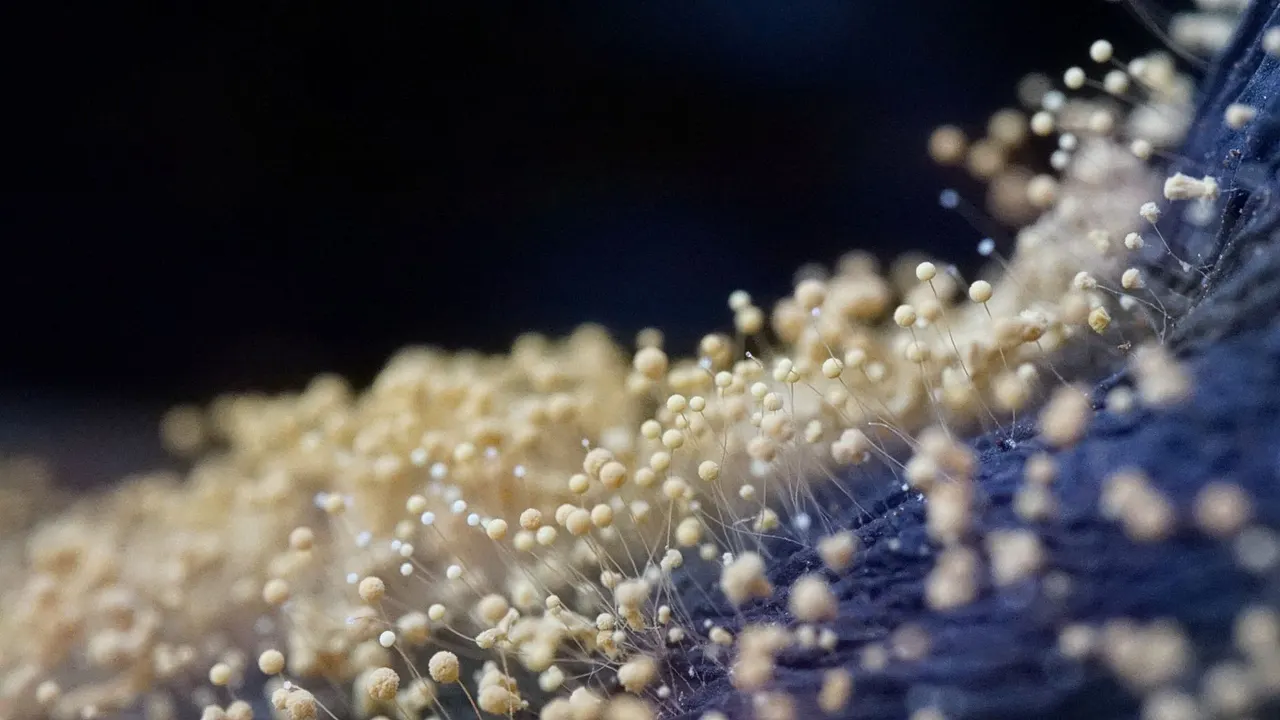
Reveals temperature differences that point to hidden moisture behind drywall, under floors, and around window frames without opening every wall.
Gives us numeric readings on drywall, framing, and subfloor so we know when structural materials are actually dry, not just dry to the touch.
Slides inside wall cavities and duct runs to confirm mold growth in spaces we cannot see directly, so we cut only where we need to.
Captures settled spores and fine debris without exhausting them back into the room. We vacuum every stud, joist, and sill plate after demolition.
Maintains negative pressure inside containment so air flows in, not out. Paired with HEPA filters, it keeps the rest of your home clean during the job.
Runs continuously during remediation to filter airborne spores. We keep scrubbers on site until clearance testing confirms the air is clean.
Applies Benefect or Concrobium as a fine mist that reaches duct interiors, cabinet backs, and other surfaces a spray bottle cannot cover evenly.
The industry standard for mold remediation that governs containment, removal, cleaning, and verification. Following it keeps our process defensible with insurance carriers and home inspectors.
We build plastic sheeting barriers and set negative pressure before we cut anything. This stops spores from spreading into clean rooms the moment demolition starts.
After HEPA vacuuming, we apply Concrobium, Benefect, or ShockWave to framing and block surfaces. The residual keeps mold from regrowing if humidity spikes later.
Independent lab air samples and surface swabs confirm spore counts are at or below outdoor baseline. No job is closed until the numbers come back clean.
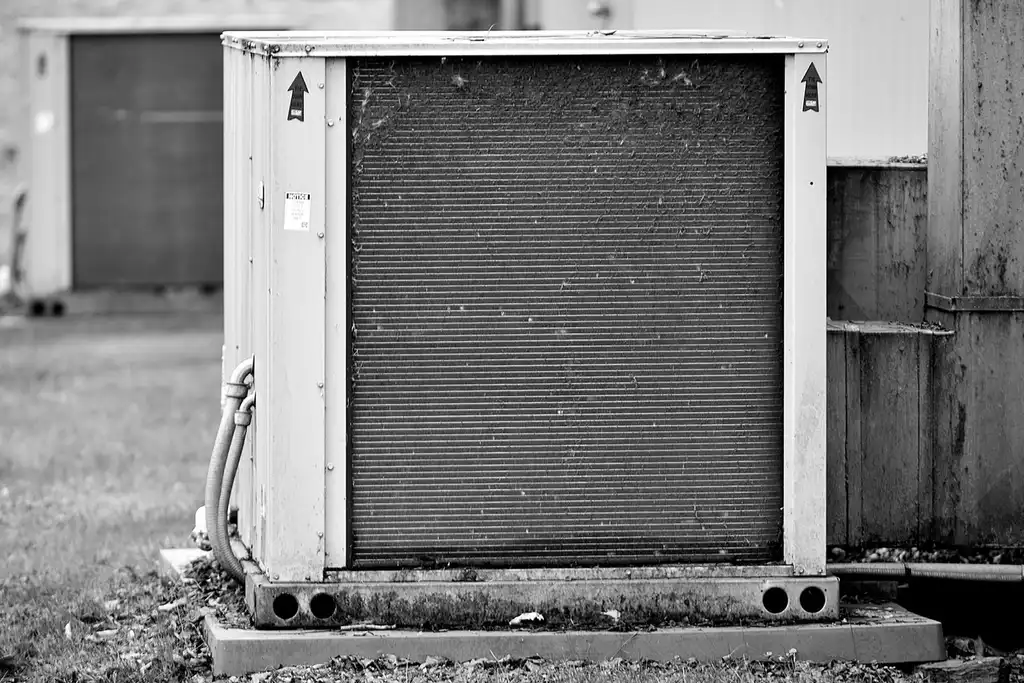
We extract remaining moisture, pull up saturated carpet and pad, treat the subfloor with antimicrobial, and run dehumidifiers until the slab reads dry. If drywall wicked water above the baseboard, we cut a flood cut and remove it. You get a dry, mold-free floor and a clearance report you can hand to your insurance carrier for the claim.
We clear the drain line, remove contaminated drywall and baseboard, HEPA vacuum the framing, and treat with antimicrobial. A pan treatment and float switch prevent the same overflow next summer. The closet is dry, the musty smell is gone, and the repair is finished and ready for paint.
We test the growth, trace it to a roof leak or bath fan venting into the deck, and remediate the affected sheathing and framing. We document everything for your real estate agent and lender. The sale moves forward with a clean clearance report instead of a price renegotiation over an unknown mold problem.
We inspect all units, find the crawl space moisture source, remediate the growth, and install a vapor barrier with a drained dehumidifier. Documentation is formatted for the property owner and their carrier. Tenant complaints stop, the unit passes a clearance test, and the owner has a maintenance plan that prevents repeat calls.
Fort Pierce humidity runs high most of the year, and that shapes every remediation we do here. Summer dew points above 70 degrees mean structural drying takes longer than in drier climates, so we run dehumidifiers two to four days instead of one. Hurricane season from June through November brings wind-driven rain that finds its way under doors, around windows, and through roof penetrations, and we see a spike in emergency mold cleanup Fort Pierce FL calls after every named storm. The building stock matters too: River Park and Lincoln Park have older homes with original drywall and minimal vapor barriers, while Hutchinson Island condos deal with salt air corroding HVAC coils and condensate pans. We test every job with a moisture meter and thermal camera before quoting, because mold removal cost Fort Pierce FL depends on how far the water traveled, not just what you can see. St. Lucie County requires proper disposal of mold-contaminated materials, and we document the whole chain for your file.
Beachside condos here deal with salt air corrosion on AC coils and slow condensate leaks that soak closet walls for weeks before anyone notices.
Older bungalows with original drywall and pier-and-beam floors are prone to crawl space moisture wicking into subfloor and joists.
Storm surge and wind-driven rain during hurricane season push water into ground-floor units, and drying takes longer in the coastal humidity.
Inland block homes on slab foundations often show mold at baseboards after AC overflow or slab leaks that go undetected.
Renovated commercial and residential buildings sometimes hide old water damage behind new finishes, which our thermal camera catches before we cut.
Structural drying takes two to four days instead of one, and we size dehumidifier counts higher than in drier markets to hit safe moisture readings.
Storm-driven water intrusion drives a spike in emergency calls, and we keep extra containment and drying equipment staged for same-day response.
HVAC coils and drain pans corrode faster, so we inspect and treat air handlers more aggressively in beachside condos and homes.
Original drywall and minimal vapor barriers mean moisture travels further, so we test more wall cavities before quoting the job.
A slow supply line drip soaked the vanity cabinet and the drywall behind it for weeks. Black mold growth covered roughly 30 square feet of drywall back and cabinet panel, and the bathroom smelled musty every time the door opened.
We removed the contaminated drywall and cabinet panel, HEPA vacuumed the framing, and applied antimicrobial spray. New mold-resistant drywall went in, and the clearance test came back at outdoor baseline. Total job time was four days.
Maintenance: We replaced the supply line with a braided stainless model and recommended checking under the sink monthly. Keeping the bathroom fan running 15 minutes after showers holds humidity down.
Open crawl space vents let ground moisture rise into floor joists and subfloor. Roughly 600 square feet of framing showed surface mold, and indoor humidity sat at 68 percent even with the AC running.
We removed the growth, installed a 10-mil vapor barrier sealed to the foundation walls, and added a drained crawl space dehumidifier. Indoor humidity dropped to 48 percent, and the musty smell inside the house disappeared.
Maintenance: We set the dehumidifier to 50 percent and showed the homeowner how to check the drain line quarterly. Vents stay sealed year-round.
A clogged condensate line overflowed into the air handler closet and soaked the platform and surrounding drywall. Mold grew on the coil, drain pan, and about 12 square feet of drywall. The owner reported headaches and a musty smell whenever the AC ran.
We cleaned the coil and pan, fogged the ductwork with Benefect, and removed and replaced the contaminated drywall. Clearance testing confirmed clean air, and the owner reported the smell was gone within 24 hours of the final treatment.
Maintenance: We installed a float switch and pan treatment tablets, and scheduled a condensate line flush every six months. That prevents the overflow that started the problem.
Mold shows up in patterns, and each pattern points to a different water source. Here are the calls we get most often in Fort Pierce and what we do about them.
Masking odor with air fresheners leaves the mold colony intact. It keeps releasing spores into your air, and family members with allergies or asthma feel it first. We locate the moisture source with thermal imaging, remove the colonized material, and treat the cavity with antimicrobial. A fogger and HEPA filtration clear the air, and clearance testing proves the odor source is gone, not covered up.
Drywall paper is a food source. Once black mold growth starts on the back side, the sheet has to come out, and ignoring it lets spores spread into adjacent rooms through wall cavities. We cut out contaminated drywall to the nearest stud, HEPA vacuum the framing, and apply antimicrobial spray. New mold-resistant drywall goes back in, and we finish the repair so it is ready for paint.
Every time the AC runs, it pushes spores through the whole house. Coil and drain pan growth also cuts efficiency and can trigger headaches, sneezing, and sinus issues. We clean the coils, drain pan, and duct interiors with rotary brushes and HEPA vacuums, then fog the system with Benefect. A new condensate drain line and pan treatment stop the moisture that fed the growth.
Ground moisture rises through open crawl space vents and wicks into floor joists and subfloor. By the time you smell it inside, the framing has been wet for months. We remove mold from joists and subfloor, install a 6-mil vapor barrier or full encapsulation, and seal the vents. A crawl space dehumidifier holds humidity below 55 percent year-round.
$850 - $9,000+ depending on scope
Typical 2026 pricing in this area runs $1,200 to $6,500 for most residential mold removal and cleanup Fort Pierce FL jobs, with small single-room remediations starting around $850 and full crawl space or attic projects reaching $9,000 or more. We quote a flat number after inspection, so you know the total before we start. Factors below explain what moves the price up or down.
A failed remediation means paying twice, once for the first attempt and again for the real job. Our flat pricing includes containment, removal, antimicrobial treatment, drying, and clearance testing, so the number you approve is the number you pay.
A 20-square-foot bathroom corner is a one-day job. A 600-square-foot crawl space with mold on every joist takes a week and more equipment. Square footage is the single biggest driver of cost.
Porous materials like drywall, carpet, and insulation usually have to be removed and replaced, which adds labor and disposal. Hard surfaces like concrete block and framing can often be cleaned and treated in place.
If mold reached the air handler or ductwork, we add coil cleaning, duct brushing, and fogging. That typically adds $600 to $1,800 depending on system size and how far growth spread.
Crawl spaces with 18-inch clearance, attics with no walkway, and condos with strict building rules take longer to contain and work in. Tight access adds labor hours.
Pre-testing identifies species and baseline spore counts, and post-remediation verification proves the job worked. Lab fees typically run $250 to $600 for a standard set of samples.
If the leak is a failed supply line, we can fix it during remediation. Roof leaks, slab leaks, and HVAC drain repairs may need a specialist, and we tell you upfront what is in scope.

Our technicians hold IICRC Applied Microbial Remediation Technician (AMRT) and IICRC Water Restoration Technician (WRT) credentials, plus the Florida Mold-Related Services License (MRSA) required to legally perform remediation in this state. We also carry EPA Lead-Safe Certification and OSHA 10 training, which matters in older Fort Pierce homes where lead paint and asbestos may be present. Every crew member is trained on Concrobium, Benefect, and RMR-86 application protocols, and we follow the IICRC S520 standard for mold remediation on every job. That is the same standard your insurance adjuster and your home inspector will reference.
We found black mold behind the bathroom vanity after a slow supply line leak. CoveGuard had containment up the same afternoon and a clearance report in my inbox four days later. They cut out the drywall, treated the studs, and even matched the texture when they patched it. My insurance adjuster said the documentation was the cleanest he had seen all year.
The musty smell in my condo turned out to be mold in the air handler and ductwork. They cleaned the coils, fogged the ducts with Benefect, and showed me the moisture readings before and after. Two weeks later the place still smells neutral, even with the AC running all day. Worth every dollar.
We manage six rental units near the Marina District and had mold in a crawl space after a storm. CoveGuard installed a vapor barrier, encapsulated the space, and set up a dehumidifier with a drain line. Renters stopped complaining about the smell, and our maintenance calls dropped off. They know what they are doing.
Most Fort Pierce mold jobs run $1,200 to $6,500 in 2026, with small bathroom or closet remediations starting around $850 and full-home crawl space or attic jobs reaching $9,000 or more. Price depends on square footage, material type, and whether HVAC ductwork is contaminated. We give you a flat written number after the inspection, so you are never guessing.
A single-room remediation typically takes two to four days from containment to clearance. Whole-house jobs with crawl space or attic work run five to ten days because drying equipment needs time to pull structural moisture below 15 percent. Fort Pierce humidity slows drying, so we check readings daily rather than guessing at a timeline.
CoveGuard Mold Solutions handles mold cleanup Fort Pierce and the surrounding St. Lucie County area, including South Beach, Lincoln Park, Hutchinson Island, and Lakewood Park. We are licensed under Florida MRSA, IICRC AMRT certified, and insured. Call (772) 477-0320 and we will schedule a same-day inspection.
If the patch is smaller than 10 square feet on a hard surface and you found it within 48 hours, a mask, gloves, and antimicrobial spray can handle it. Anything larger, anything on drywall or carpet, or anything with a musty smell through the house needs a pro. Disturbing hidden mold without containment spreads spores into clean rooms and makes the job bigger.
Not seeing your question? Our local team can help you understand urgency, scheduling and what to expect.
Ask the local team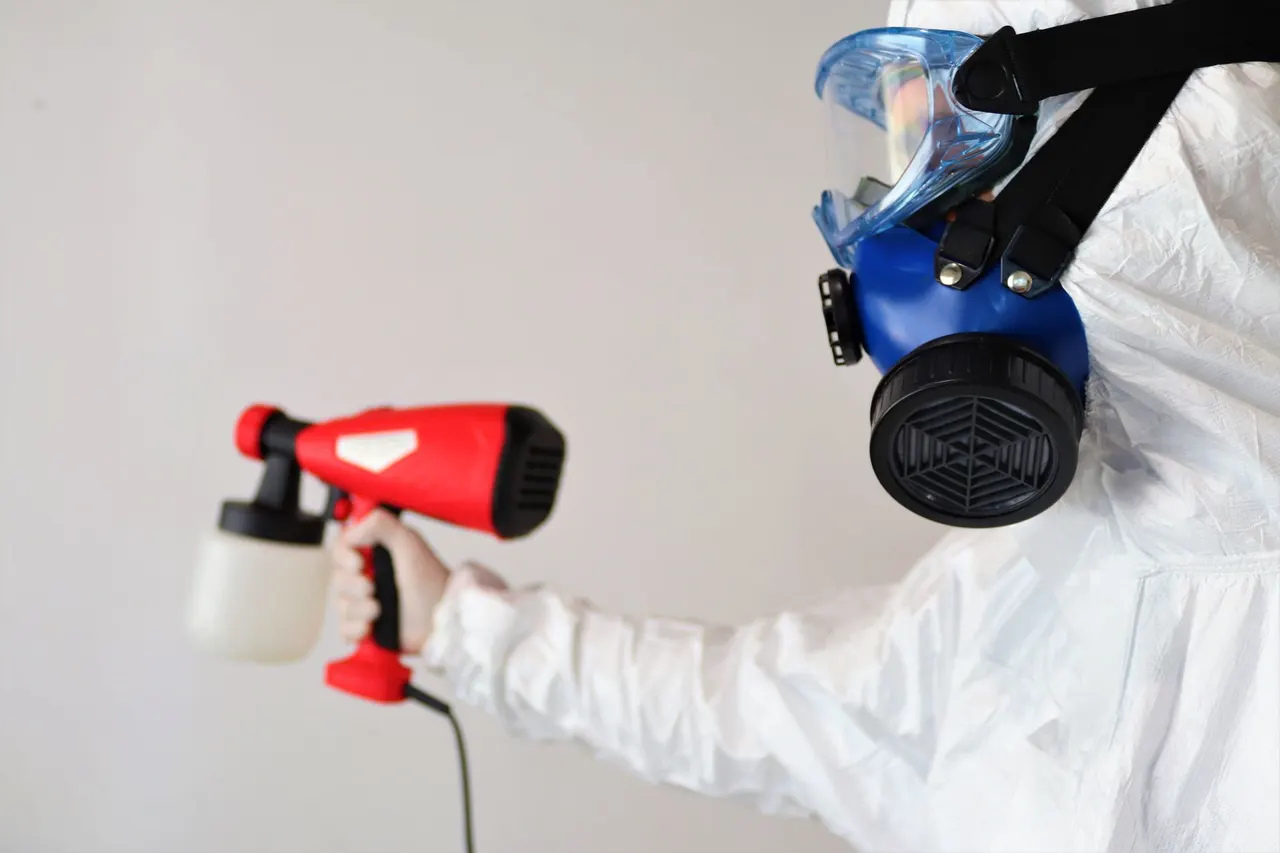
Targeted removal of toxic black mold growth using containment, HEPA filtration, and antimicrobial treatment. We confirm species with lab testing before we cut, so you know exactly what you are dealing with in your Fort Pierce home.
View service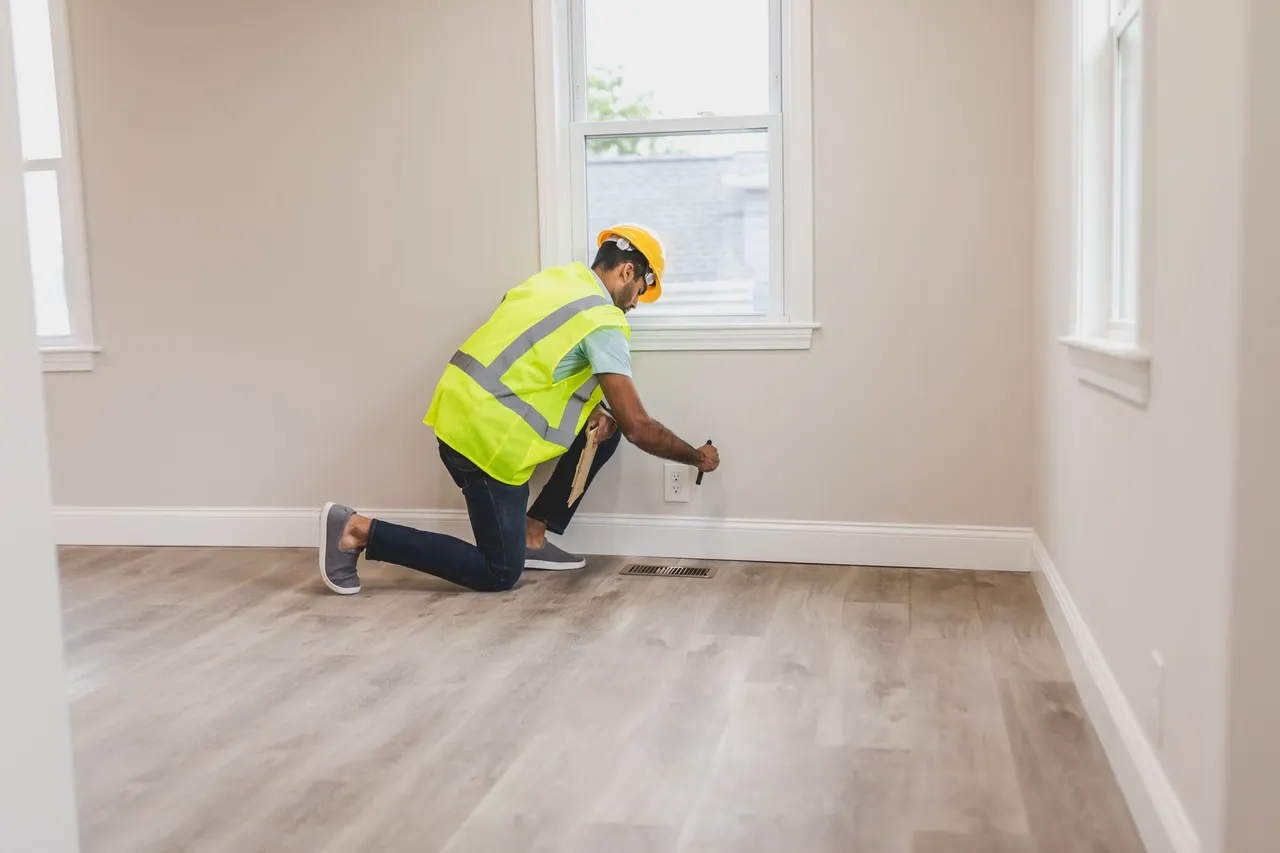
Air samples, surface swabs, and moisture mapping that identify mold species and the water source feeding it. Every inspection includes a written report you can share with your insurance carrier or real estate agent.
View service
Same-day response for storm leaks, burst pipes, and AC overflow that soaked a wall. We stop the moisture, contain the growth, and start drying before mold has a chance to colonize in Fort Pierce heat.
View service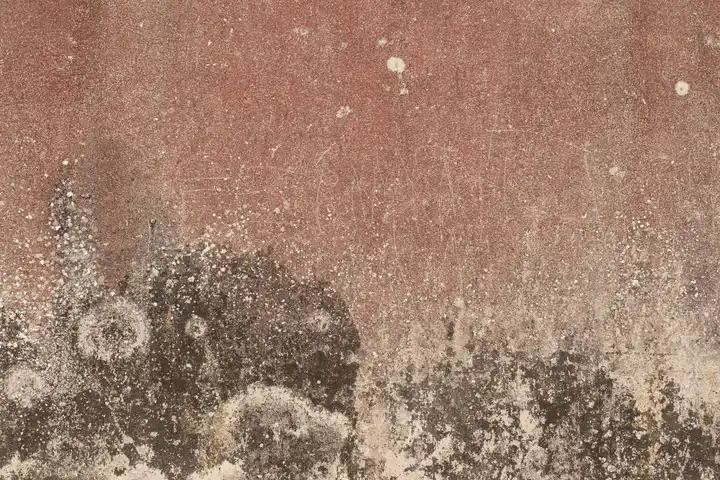
Full-home remediation for single-family houses, condos, and townhomes. We handle drywall, carpet, attic insulation, and crawl space vapor barriers as one coordinated job instead of piecemeal repairs.
View service
Call (772) 477-0320 any time, day or night. We answer live and dispatch same-day for mold inspections and emergency remediation across Fort Pierce. If you prefer email, send photos and your address to [email protected] and we will follow up within one business hour.