Focused arrival windows
Useful updates and clear arrival timing.
Black Mold Remediation in South Beach means stopping salt-air moisture before it feeds black mold behind your drywall. CoveGuard Mold Solutions handles mold removal South Beach homeowners and property managers call first, from Ocean Drive condos to crawl-space bungalows near South Beach Park. We test, contain, remove, and verify, then hand you clearance results. Call (772) 477-0320.
Useful updates and clear arrival timing.
Review the approach and price before deciding.
Equipped vehicles and respectful cleanup.
Neighbors serving neighbors with follow-through.
South Beach sits on a barrier island where salt air, storm surge, and year-round humidity push moisture into every wall cavity. That is why Black Mold Remediation in South Beach is not a one-size job. We work ZIP codes 34949 and 34950 weekly, from Ocean Drive rentals to Sea Breeze bungalows with vented crawl spaces. Our technicians carry a moisture meter, thermal imaging camera, and boroscope inspection camera to find hidden mold behind drywall before it spreads. We are a South Beach mold remediation company FL property managers keep on speed dial because we document everything: moisture readings, containment photos, and post-remediation verification. If you search Black Mold Remediation near South Beach, you want a crew that knows how coastal buildings fail. We do.
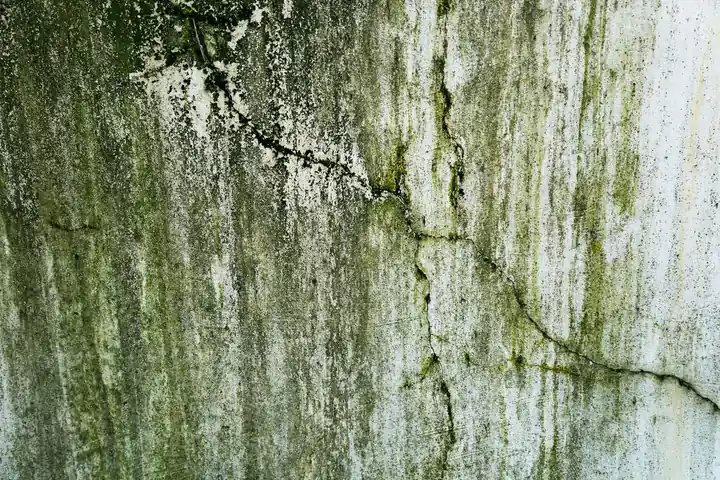
Demand for Black Mold Remediation in South Beach runs year-round because the ocean never stops pushing moisture inland. If you need Black Mold Remediation in South Beach FL near me, we cover the full scope: inspection, containment, removal, and clearance testing. Every job starts with a moisture map, not a guess.
Full-scope remediation for South Beach homes and condos. We set negative air machines, HEPA vacuum contaminated surfaces, and remove porous materials. Ocean Drive high-rises get contained work zones; Sea Breeze bungalows get crawl-space treatment. Every job ends with clearance testing.
View service →02We inspect South Beach properties with a moisture meter, thermal imaging camera, and boroscope inspection camera. Air and surface samples go to a third-party lab. You get a written report showing species, spore counts, and moisture sources, which matters when you file an insurance claim.
View service →03Physical removal of mold-damaged drywall, insulation, and wood in South Beach units. We bag debris in the containment zone, HEPA vacuum the area, then apply antimicrobial spray. Beachfront properties with crawl spaces get extra attention where sand keeps framing damp.
View service →04Storm surge and burst pipes do not wait for business hours. Our 24/7 mold removal South Beach FL team responds to flooded condos and soaked rentals with truck-mounted dehumidifiers and air scrubbers. We stabilize the moisture first, then remediate.
View service →05Homes in South Beach Main and Sea Breeze face humidity that never drops below 60 percent for long. We treat attics, bathrooms, kitchens, and closets where condensation collects. Our crews use mold-resistant drywall on repairs and seal every penetration.
View service →06Hotels, restaurants, and retail along Ocean Drive need fast, quiet remediation that does not disrupt guests. We work overnight when needed, contain the zone with plastic sheeting and duct tape, and document everything for your liability file.
View service →07South Beach attics cook in summer and condense in winter. That swing feeds black mold growth on roof sheathing. We inspect with a thermal imaging camera, remove contaminated decking where needed, and improve ventilation so the attic dries.
View service →08Basements are rare in South Beach, but below-grade storage and garage levels flood during storm surge. We pump, dry, and treat concrete and framing with antimicrobial spray. Vapor barrier installation follows to stop recurrence.
View service →09Beachfront properties with crawl spaces are our most common South Beach call. Sand stays damp, vents pull in salt air, and joists grow mold. We remove contaminated insulation, treat framing, and install encapsulation vapor barrier systems.
View service →Every job in South Beach starts with containment. We seal the work zone with plastic sheeting and duct tape, run a negative air machine, and keep the space under negative pressure so spores do not travel to clean rooms. Technicians wear personal protective equipment, including respirators and Tyvek suits. We use a moisture meter and thermal imaging camera to map the extent, then a boroscope inspection camera inside walls. Demolition follows: contaminated drywall, insulation, and carpet come out and get bagged. We HEPA vacuum every surface, apply antimicrobial spray, then dry the structure with dehumidifiers and air scrubbers. If you need same-day mold cleanup in South Beach, we can often start within hours of your call. Scheduling works around rental turnover and guest check-ins. Parking on Ocean Drive is tight, so we coordinate load-in times with building management and use compact trucks where alleys are narrow.
South Beach buildings never fully dry. Indoor humidity often sits above 60 percent, which keeps mold active long after a leak stops. Standard drying times stretch, and we run dehumidifiers longer than we would inland. We set Dri-Eaz and Phoenix Restoration dehumidifiers with daily moisture logs. Every South Beach job gets a target of below 60 percent relative humidity before we remove equipment. We also recommend permanent dehumidification for closed-up rental units.
Surge pushes saltwater into ground-floor units and crawl spaces within minutes. Saltwater corrodes fasteners and leaves behind residue that feeds mold. Water sits in wall cavities that look dry from the outside. We extract, remove wet drywall to the flood line, and treat framing with RMR-86 to neutralize salt residue. Air scrubbers and HEPA vacuuming follow. We document everything for your flood insurance claim.
Between guests, small leaks and AC condensation go unnoticed. A slow drip behind a vanity can grow mold for weeks. By the time a guest complains about odor, contamination has spread. We offer inspection programs for South Beach property managers that catch moisture between turnovers. When mold is found, we schedule work in the gap between check-out and check-in so you do not lose bookings.
Florida requires a state license to perform mold assessment or remediation for compensation. We hold the MRSA credential, so your South Beach job is done legally and your paperwork holds up if a claim is disputed.
This standard defines containment, removal, and clearance procedures. We follow it on every South Beach project, which is why third-party clearance testing passes the first time.
South Beach has a specific set of conditions that drive mold problems: direct coastal exposure to salt air and humidity, elevated risk of storm surge flooding, beachfront properties with crawl spaces, and high seasonal rental turnover. These factors combine to make mold a recurring issue here, not a one-time event.
Sand under South Beach homes stays damp, and vented crawl spaces pull in humid salt air. Joists and insulation absorb that moisture and grow mold within weeks. Encapsulation is the long-term fix. We remove contaminated insulation, treat joists with ShockWave, and install a reinforced vapor barrier. A crawl space dehumidifier keeps humidity below 60 percent, and we seal vents to block salt air.
South Beach HVAC systems run almost year-round. Damp evaporator coils and drain pans become mold habitats. Spores then circulate through every room, and guests notice the musty odor. We clean coils and drain pans, brush and HEPA vacuum the ducts, and fog the system with Benefect. We also check for oversized units that short-cycle and leave moisture behind.
Surge flooding pushes saltwater into walls and under floors. Even after visible water is gone, cavities stay wet. Mold can start in 24 to 48 hours, and salt residue feeds it. We extract, remove wet drywall to the flood line, and treat framing with RMR-86. Dehumidifiers and air scrubbers run until moisture readings hit dry standard. We document everything for insurance.
A pinhole leak in a supply line can drip inside a wall for months. South Beach humidity keeps the cavity damp. By the time you smell it, mold has spread across the stud bay. We use a boroscope inspection camera and thermal imaging to find the source without unnecessary demolition. Once located, we remove affected drywall, treat the framing, and repair the leak.
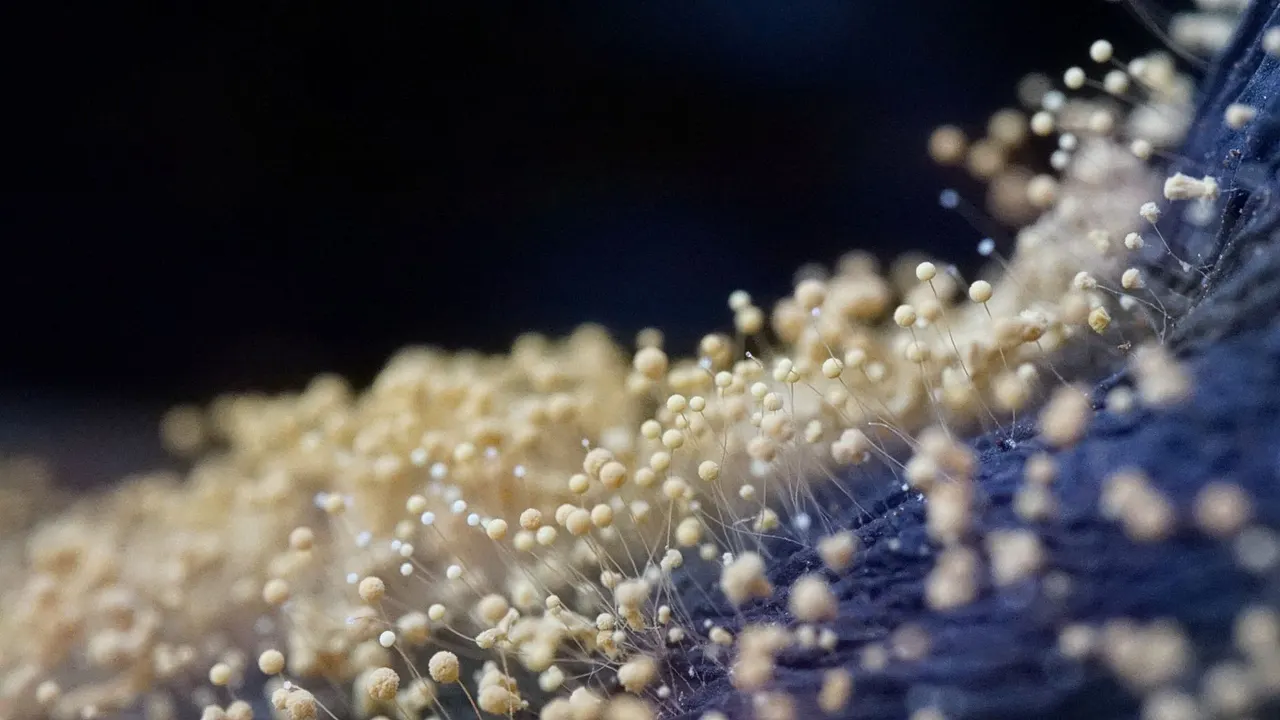
Typical 2026 pricing for Black Mold Remediation in South Beach depends on how far the mold has spread and how much material we have to remove. Small bathroom or kitchen jobs often run $1,200 to $2,800. Crawl space remediation with a vapor barrier usually lands between $3,500 and $7,500. Full storm-surge restoration in a ground-floor condo can exceed $10,000. We provide a written scope with line-item pricing before work starts, and we bill insurance directly when coverage applies. If you are searching for affordable mold removal in South Beach, ask for the itemized estimate so you can compare fairly.
The larger the contaminated area, the more containment, removal, and disposal we handle. A single bathroom is a one-day job; a flooded condo can take a week. Square footage drives both labor and material costs in South Beach.
Porous materials like drywall, insulation, and carpet must be removed and replaced. Concrete and framing can often be treated and saved. The mix of materials in your South Beach property determines how much demolition is needed.
High-rise condos on Ocean Drive require elevator coordination, plastic sheeting, and negative air machines. Crawl spaces under Sea Breeze bungalows need different containment. Tight access adds labor hours and equipment setup time.
South Beach is a narrow barrier island, so we orient by landmarks rather than street numbers. South Beach Park is our main reference point for the southern end. Fort Pierce Inlet State Park marks the northern boundary and helps us route around inlet traffic. Jetty Park is a common drop point when we stage equipment for beachfront jobs. Knowing these landmarks keeps our response times tight, especially when Ocean Drive is congested.
This is our primary orientation point for the southern end of the island. Addresses near the park are easy to locate, and we use the adjacent streets to stage equipment without blocking residential driveways.
The inlet marks the northern edge of our South Beach coverage. We use it to route around bridge traffic and to estimate drive times when scheduling jobs on the north end of the island.
Jetty Park is a useful staging landmark for beachfront work. We reference it when coordinating with property managers whose buildings sit near the jetty, and it helps us avoid the busiest pedestrian zones.
This is the main hospitality and retail corridor in South Beach, with hotels, restaurants, and shops in close proximity. Loading zones are limited, so we schedule equipment drops outside peak hours.
A mixed-use district with ground-floor businesses and residential units above. Shared HVAC and plumbing mean moisture problems can affect multiple tenants, so we coordinate access with building owners.
The causeway connects the island to mainland Fort Pierce. We use it for equipment runs and to bring additional crew when a job scales up.
A1A runs the length of the island and is our main north-south route. Traffic and pedestrian crossings affect drive times, so we build buffer into our schedules.
We cover the full South Beach footprint, from the South Beach Main corridor to the quiet streets of Sea Breeze. Each area has its own moisture profile, and we adjust our approach accordingly. If you are in ZIP 34949 or 34950, we are already working nearby.
The commercial core mixes restaurants, retail, and upper-floor condos. HVAC systems run constantly, and shared walls spread moisture between units. We handle commercial remediation overnight so businesses do not lose a day. Our crews are on this corridor weekly. Typical response is under 60 minutes.
Sea Breeze is mostly single-family bungalows and small rentals with vented crawl spaces. Sand stays damp under these homes, and joists grow mold after summer storms. Crawl space encapsulation is our most common fix here. Just minutes from our South Beach staging point. Same-day service is standard.
Ocean Drive properties are beachfront condos and hotels with direct salt-air exposure. Storm surge is a real threat, and ground-floor units flood first. We coordinate with building management on access and elevator use. We schedule around building load-in rules. Emergency calls get priority routing.
Homes near South Beach Park deal with blowing sand, salt spray, and older construction. Many have original drywall and minimal vapor barriers. We see hidden mold behind drywall after every wet season. Short drive from our base. We can usually be on-site within the hour.
These are real job patterns we see in South Beach. Names and exact addresses are withheld, but the problems, solutions, and results reflect the work we do here every week.
A ground-floor Ocean Drive condo flooded during a storm surge. Saltwater soaked the drywall and carpet, and a musty odor appeared within three days. We extracted standing water, removed drywall to the 24-inch flood line, and treated the concrete and framing with RMR-86. Carpet and pad were removed and disposed of. We ran Dri-Eaz dehumidifiers and air scrubbers for four days, then applied antimicrobial spray. Moisture readings returned to dry standard in four days. Third-party clearance testing passed on the first attempt, and the unit was back in the rental pool within a week.
A Sea Breeze bungalow had a vented crawl space with moldy joists and insulation. The homeowner noticed musty odors in the living room and rising humidity. We removed contaminated insulation, HEPA vacuumed the joists, and treated the wood with ShockWave. A reinforced vapor barrier was installed over the soil, and we sealed the vents. A crawl space dehumidifier was added to keep humidity below 60 percent. Crawl space humidity dropped from 78 percent to 52 percent. The musty odor cleared within 48 hours, and the homeowner has had no recurrence since.
A South Beach Main restaurant had HVAC mold contamination. Guests complained of a damp smell, and the evaporator coil was visibly covered in mold. We worked overnight to avoid disrupting business. The coil and drain pan were cleaned, ducts were brushed and HEPA vacuumed, and the system was fogged with Benefect. We replaced the wet insulation around the air handler. Air samples showed a 90 percent reduction in spore counts. The restaurant passed its health inspection, and no further complaints were reported.
Our Ocean Drive condo flooded after a storm, and CoveGuard was on-site the same day. They explained every step, from containment to the dehumidifiers. The clearance test passed, and our insurance adjuster had all the photos he needed. I would not call anyone else on the island.
We had mold in the crawl space of our Sea Breeze bungalow. The crew removed the old insulation, treated the joists, and installed a vapor barrier. They even added a dehumidifier and showed us how to monitor humidity. The musty smell is gone, and the price was fair.
I manage several rentals near South Beach Park, and CoveGuard handles all our mold issues. They work around guest check-ins and always send before-and-after photos. One unit had hidden mold behind the drywall, and they found it with a thermal camera. Fast, clean, and professional.
South Beach mold follows a seasonal rhythm. Winter brings vacant-unit humidity, spring brings rain and roof leaks, summer brings storm surge, and fall brings the tail end of hurricane season. Understanding that cycle helps you stay ahead of Black Mold Remediation in South Beach FL near me searches before they become emergencies.
Spring rains and warming temperatures wake up mold that sat dormant in cool walls. Roof leaks from winter storms start showing as ceiling stains. Crawl spaces stay damp from the wet season.
Summer is storm season in South Beach. Surge flooding and heavy rain push water into ground-floor units. High humidity keeps everything damp, and mold can start within a day.
Fall still carries hurricane risk, and the humidity lingers. Rentals that sat closed during the off-season often develop musty odors. HVAC systems that ran all summer may have dirty coils.
Winter is snowbird season, and vacant units can develop mold from trapped humidity. Cooler nights cause condensation on windows and exterior walls. Seasonal rentals see heavy turnover with little time for drying.
South Beach is part of a connected service region. We regularly work in neighboring communities across St. Lucie County, and our crews move between them daily. If you are just outside South Beach, we likely cover your street too.
Just across the causeway. Many South Beach property owners also own rentals downtown, so we handle both.
Local coverage and details
A short drive west of the island. We serve Lincoln Park homes with the same crew that covers South Beach.
Local coverage and details
Near downtown, with older buildings that see moisture issues. We cover it as part of our Fort Pierce service area.
Local coverage and details
Directly north along A1A. North Beach shares the same coastal humidity problems as South Beach.
Local coverage and detailsNot every mold company in South Beach does the job the same way. Some skip containment, some skip clearance testing, and some are not licensed for mold work in Florida. These five questions will separate a qualified contractor from a risky one.
Florida requires a Mold-Related Services License for paid mold work. If a contractor cannot show that credential, your job may not pass inspection and your insurance claim could be denied.
Clearance testing by an independent lab proves the mold is gone. A company that grades its own work has a conflict of interest. We bring in an ACAC Certified Microbial Consultant for every South Beach job.
Proper containment with plastic sheeting, duct tape, and a negative air machine keeps spores from spreading to the rest of your home. If a contractor skips this step, you risk cross-contamination.
Storm-surge and pipe-burst claims need photos, moisture readings, and a scope of work. A contractor who documents properly makes your adjuster's job easier and your payout faster.
Ask for a written, itemized scope. A low bid that excludes containment, disposal, or clearance testing is not a real price. We give you the full number before we start.
IICRC
IICRC
U.S. EPA
OSHA
ACAC
$2M general liability and pollution coverage
Member
Member
Sponsor
Most South Beach jobs run $1,200 to $7,500 in 2026, depending on square footage and materials. A single bathroom or kitchen is often $1,200 to $2,800. Crawl space remediation with a vapor barrier typically runs $3,500 to $7,500. Storm-surge restoration in a ground-floor condo can exceed $10,000. We provide a written, itemized estimate before work begins.
The best company is the one that shows you its Florida MRSA license, follows the IICRC S520 standard, and brings in third-party clearance testing. We do all three. We also document every job for insurance and work around rental turnover. Ask any contractor for their license and a sample clearance report before you hire.
Most homeowners and flood policies cover mold remediation when it results from a covered event like storm surge, a burst pipe, or an appliance leak. Maintenance-related mold is usually excluded. We document moisture readings, containment, and removal so your adjuster has what they need, and we work directly with most major carriers.
Yes. We answer calls 24/7 for emergency Black Mold Remediation in South Beach. Storm surge and burst pipes do not wait for business hours, so we keep crews on call. Typical response time on the island is under 60 minutes. Call (772) 477-0320 and we will dispatch the nearest team.
A small bathroom or kitchen job usually takes one to two days. Crawl space remediation with encapsulation runs two to four days. Full storm-surge restoration in a condo can take five to seven days, including drying and clearance testing. South Beach humidity can extend drying times, so we monitor moisture daily until readings hit dry standard.
Not seeing your question? Our local team can help you understand urgency, scheduling and what to expect.
Ask the local team
Call (772) 477-0320 any time, day or night. We answer live and dispatch same-day for mold inspections and emergency remediation across Fort Pierce. If you prefer email, send photos and your address to [email protected] and we will follow up within one business hour.