Focused arrival windows
Useful updates and clear arrival timing.
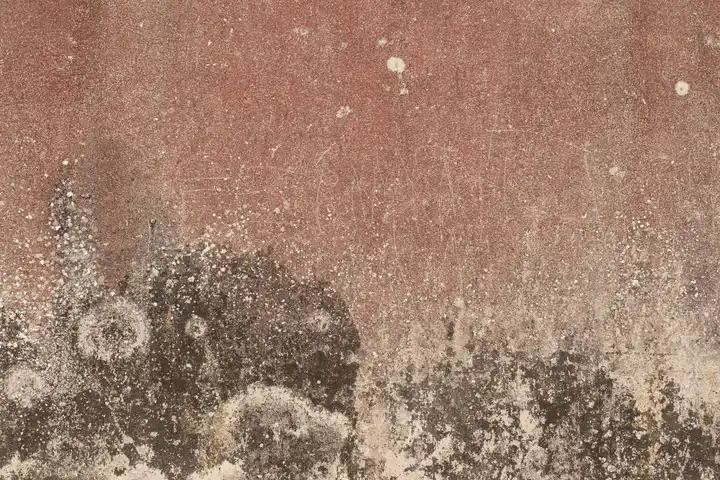
Residential Mold Remediation Fort Pierce FL is what we do every day, from Lincoln Park bungalows to Hutchinson Island condos. If you smell that musty odor or spotted black mold growth after a roof leak or summer humidity spike, we find the source with thermal imaging and moisture meters, contain the area, and remove the colony at the root. Our IICRC-certified crews handle home mold removal Fort Pierce homeowners can schedule same-day, with upfront pricing before any equipment rolls in.
Useful updates and clear arrival timing.
Review the approach and price before deciding.
Equipped vehicles and respectful cleanup.
Neighbors serving neighbors with follow-through.
Every residential mold remediation Fort Pierce FL project starts with a full inspection and a written scope. The items below are included in a standard job. Rebuild work, like replacing drywall and paint, is quoted separately once clearance is confirmed so you are not paying for reconstruction before the air is clean.
We check every room with a moisture meter and thermal imaging camera, including wall cavities and the HVAC air handler. You get a written summary of what we found, where the moisture is coming from, and which materials are affected.
Plastic sheeting and duct tape seal the work zone, and a negative air machine with HEPA filters keeps spores out of clean rooms. Air scrubbers run continuously while we work, and technicians wear full personal protective equipment.
We cut out contaminated drywall, insulation, and trim, HEPA vacuum all exposed surfaces, and bag debris for disposal. Porous materials that cannot be cleaned are removed rather than treated, because spores survive inside them.
Framing, subfloor, and salvageable surfaces get an EPA-registered antimicrobial spray such as Concrobium or Benefect. Heavy staining gets RMR-86, and a fogger reaches cavities and voids that a sprayer cannot.
Commercial Dri-Eaz and Phoenix Restoration dehumidifiers plus air movers bring structural moisture back to normal. In Fort Pierce humidity, this step usually runs two to four days and is monitored with daily readings.
We collect air and surface samples after remediation and send them to a third-party lab. The written clearance report confirms spore levels are back to a normal outdoor baseline, which is what you need for insurance or resale.
Share what is happening and receive a clear next step from the local team.
Residential Mold Remediation Fort Pierce FL is the contained removal of mold colonies, contaminated materials, and the moisture source feeding them inside a home. It is not a bleach wipe-down. We set negative air pressure with a negative air machine, run HEPA air scrubbers, and physically remove affected drywall, insulation, and trim. Surfaces get an antimicrobial spray, and porous materials that cannot be saved get bagged and hauled out. The job ends when moisture readings return to normal and a post-remediation verification confirms the spore count is back to a normal outdoor baseline.
Fort Pierce homes sit in one of the wettest, most humid pockets of the Treasure Coast, and that drives most of our calls. Afternoon thunderstorms, hurricane-season roof leaks, and AC systems that run nine months a year push indoor humidity past 60 percent, which is all black mold growth needs to take hold behind drywall or inside an HVAC closet. We see it most in older riverfront homes near the Marina District and in slab-on-grade houses where crawl space moisture wicks up through the floor. If you have been searching house mold remediation near me Fort Pierce, that search usually starts with a smell you cannot place.
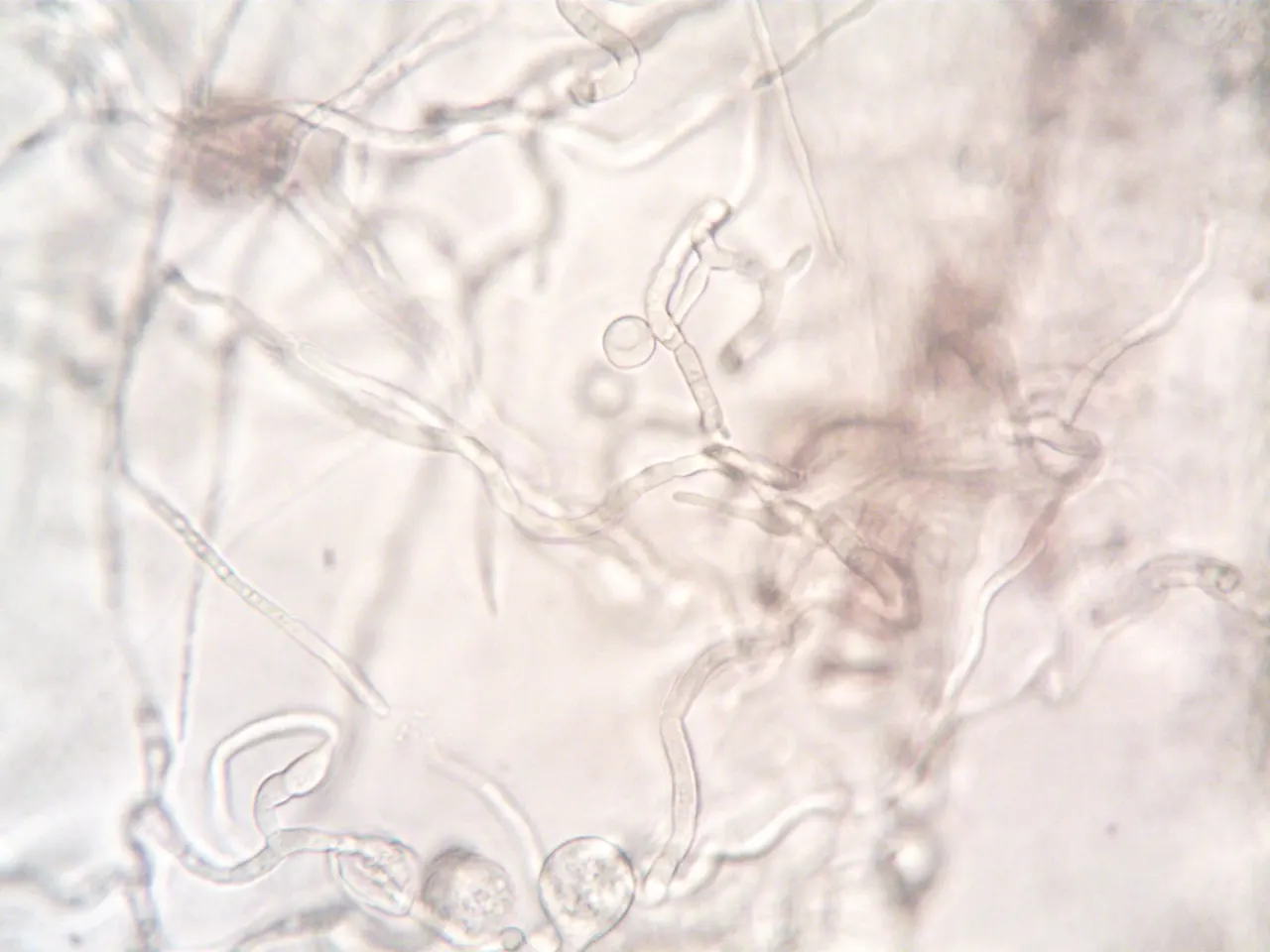
You call (772) 477-0320 and describe what you are seeing or smelling. We ask about the age of the home, recent water events, and whether anyone in the house has allergies or respiratory issues. Within a few minutes you get a realistic arrival window and a ballpark range, not a vague promise to call you back.
A certified technician walks the home with a moisture meter and thermal imaging camera, checking walls, ceilings, baseboards, and the HVAC air handler. A boroscope inspection camera goes into wall cavities where moisture hides. This inspection usually takes 45 to 90 minutes depending on square footage and how many rooms are affected.
Before any demolition, we seal the work zone with plastic sheeting and duct tape and set up a negative air machine with HEPA filters. This keeps spores from drifting into clean rooms while we work. Air scrubbers run continuously for the duration of the project, and technicians wear full personal protective equipment.
We cut out contaminated drywall and insulation, bag it, and haul it out. Salvageable framing and subfloor get HEPA vacuuming followed by an antimicrobial spray such as Concrobium or Benefect. Where needed, we apply RMR-86 on heavy staining and finish with a fogger to reach cavities a sprayer cannot.
After drying with Dri-Eaz dehumidifiers and air movers, we take air samples for third-party lab analysis. Once clearance comes back normal, usually within three to five days, we can replace drywall, texture, and paint so the room looks like nothing happened. You get the lab report and a written warranty.
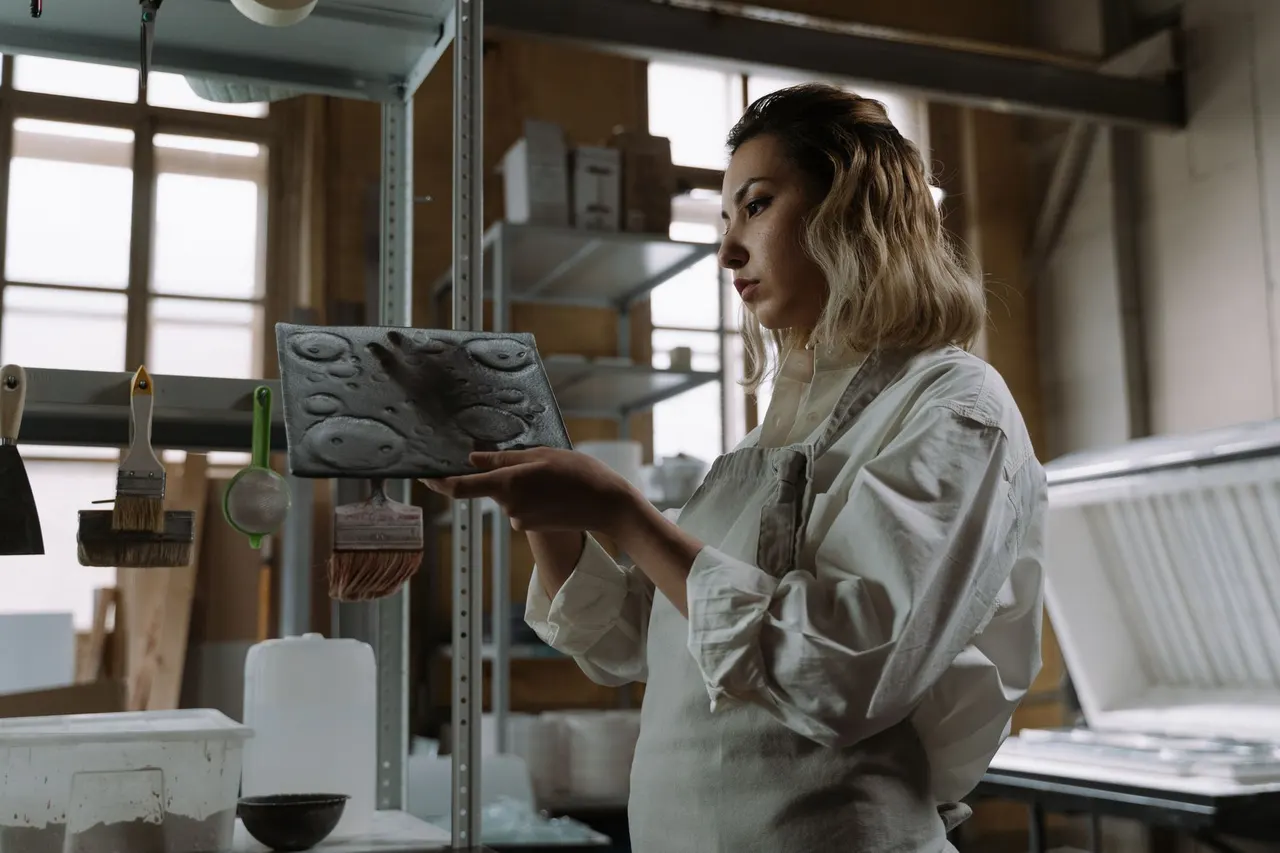
Reveals temperature differences behind walls and ceilings that point to hidden moisture, without cutting open every surface.
Gives us a numeric reading on drywall, framing, and subfloor so we know exactly where the wet zone ends and the dry zone begins.
Slides into wall cavities and HVAC plenums through a small hole so we can see mold growth we would otherwise have to guess at.
Keeps the work zone under negative pressure and filters airborne spores so clean rooms in your home stay clean during demolition.
Pull moisture out of the air and structural materials. In Fort Pierce humidity, these run continuously until daily readings return to normal.
Delivers antimicrobial treatment into wall cavities, attic voids, and other spaces a hand sprayer cannot reach.
The industry standard for mold remediation. It defines containment, removal, cleaning, and verification steps. We follow it on every residential job, which is what makes our clearance reports defensible with insurance carriers and home inspectors.
We do not start removal until we have identified and addressed the moisture source. That might be a plumbing repair, a roof patch, or a crawl space vapor barrier. Removing mold without fixing the water is a temporary fix at best.
Plastic sheeting and duct tape seal the work zone, and a negative air machine keeps air flowing into the containment, not out of it. This protects the rest of your home and our technicians at the same time.
We collect air and surface samples after remediation and send them to an independent lab. The written report confirms spore levels are back to a normal range, which is the proof you need for insurance, resale, or your own confidence.
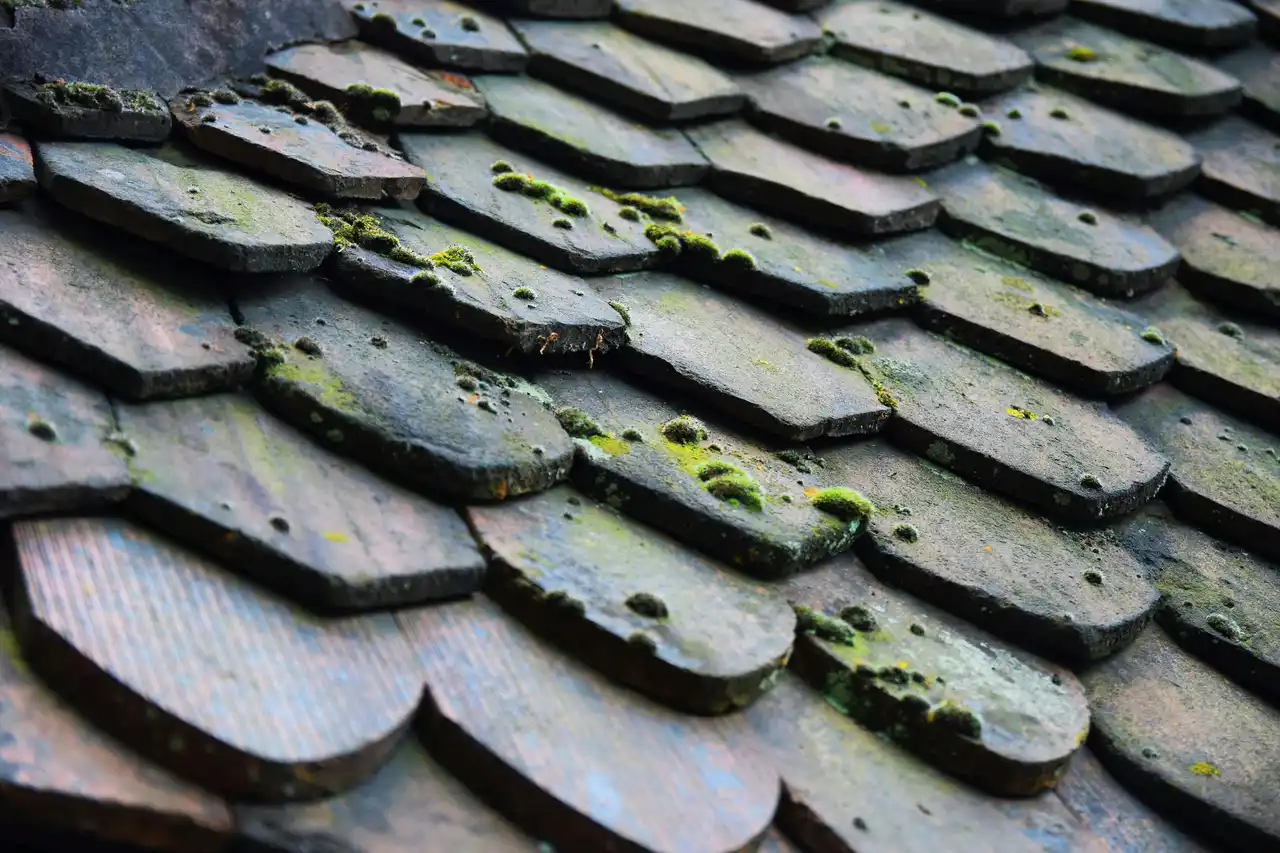
We pull the cabinet base, remove the swollen particle board, and treat the wall and floor framing with antimicrobial spray. A moisture meter confirms the cavity is dry before we recommend replacement materials. The leak is repaired, the mold is gone, and the cabinet is rebuilt with moisture-resistant material so the same failure does not repeat.
We extract standing water, remove the carpet and pad, and dry the subfloor with air movers and dehumidifiers. Any mold that started on the tack strip or baseboard gets treated and removed. The room dries to normal moisture levels, clearance testing passes, and new flooring goes down on a clean, dry subfloor.
We inspect the attic above for a roof or vent leak, remove the affected drywall, treat the framing, and provide a clearance report the buyer's agent can attach to the file. The deal closes on schedule with documented proof the mold was properly remediated, not just painted over.
We contain the room, remove the baseboard and lower drywall, treat the block wall, and run air scrubbers. The unit is documented for the owner's records and any insurance claim. The unit is back on the market within a week with a clearance report showing normal spore levels.
Fort Pierce sits in a humid subtropical climate where indoor humidity climbs past 60 percent for most of the year, and that is the single biggest reason mold calls spike here. Summer thunderstorms and hurricane-season rain push water through aging roofs and window flashings, while AC systems that run nine months a year keep condensate lines and drain pans wet. Older homes in River Park and the Edgar Town District often have original plumbing and minimal vapor barriers, so crawl space moisture feeds mold above. Newer construction near Waterstone and Bent Creek is tighter, which means a small leak can trap moisture inside a wall cavity for weeks before anyone notices. We adjust our drying schedules for local conditions, running dehumidifiers longer than a drier climate would require, and we test clearance before we call anything finished. If you have been searching for house mold testing and removal Fort Pierce FL, the inspection is where we start.
Historic buildings with original plumbing and masonry walls hold moisture differently than modern construction, so we use a boroscope inspection camera to check cavities before cutting.
Beachside condos deal with salt air, wind-driven rain, and shared walls. We coordinate with HOA rules on containment and work hours so the job does not disrupt neighbors.
Many homes here are on well water and septic, and slow supply-line leaks are common. We check under sinks and behind appliances as part of every inspection.
Older slab-on-grade homes in this area often show mold along baseboards where ground moisture wicks up. Vapor barrier and dehumidification recommendations are common here.
Drying takes longer than in drier markets, so we run Dri-Eaz dehumidifiers two to four days and monitor with daily moisture readings before removing equipment.
Water intrusion after a storm often affects ceilings and exterior walls at once. We prioritize containment and extraction so mold does not establish while the roof is being repaired.
Pinhole leaks in copper and failing supply lines behind walls are a leading cause of hidden mold. We trace them with thermal imaging before opening walls.
A homeowner in Lincoln Park noticed a musty smell and dark speckling along the baseboard of a back bedroom. A slow supply-line leak had been wetting the wall cavity for weeks, and about 40 square feet of drywall was contaminated.
We removed the affected drywall and insulation, treated the framing with antimicrobial spray, and dried the cavity for three days. Clearance testing came back normal, and the wall was rebuilt, textured, and painted to match.
Maintenance: Check under sinks and behind appliances twice a year for drips, and keep indoor humidity below 50 percent with the AC or a standalone dehumidifier.
A raised-foundation home near the Marina District had visible mold on floor joists and a persistent musty odor upstairs. There was no vapor barrier, and ground moisture was keeping the crawl space at nearly 80 percent humidity.
We removed fallen insulation, HEPA vacuumed and treated the joists, and installed a full encapsulation vapor barrier. Humidity dropped to the low 50s within a week, and the odor cleared.
Maintenance: Run a crawl space dehumidifier during the wet season and inspect the barrier annually for tears or standing water.
A homeowner in Fort Pierce South had a musty smell every time the AC kicked on. The condensate drain was clogged, and mold had grown on the air handler cabinet and the surrounding drywall.
We cleaned the air handler, HEPA vacuumed the affected drywall, applied antimicrobial treatment, and cleared the drain line. Air samples after remediation showed spore levels back to a normal outdoor baseline.
Maintenance: Pour a cup of vinegar down the condensate drain monthly and change filters every 60 to 90 days during heavy AC season.
Most of our calls come down to a handful of recurring issues. Here is what we see, what happens if you ignore it, and how we fix it.
Hidden mold behind drywall or in the HVAC system keeps releasing spores into the air, which triggers allergies and gradually spreads to more rooms. We trace the smell with a thermal imaging camera and boroscope inspection camera, confirm the source with moisture readings, and remove the colony before it spreads. Most hidden-growth jobs in Fort Pierce are resolved in one to two days of active work.
Ceiling and attic sheathing stay wet long after the rain stops, and mold can colonize within 48 hours. Left alone, it eats into framing and can cost thousands more to repair. We remove affected drywall and insulation, treat the framing with antimicrobial spray, and dry the cavity with commercial dehumidifiers. If the roof is still leaking, we coordinate with a roofer so the source is fixed before we close anything up.
Ground moisture wicks up through the subfloor and keeps indoor humidity above 60 percent, which means mold returns no matter how many times you clean it. We install a vapor barrier or full encapsulation, add a dehumidifier if needed, and treat any mold on joists and subfloor. This is one of the most common fixes we do in older Fort Pierce homes with raised foundations.
Every time the system runs, it distributes spores through the house, so clean rooms get recontaminated and allergy symptoms never improve. We clean the air handler and evaporator coil, HEPA vacuum the duct interiors, and sanitize with an EPA-registered product. We also check for the underlying moisture issue, usually a clogged drain pan or an oversized system short-cycling in Fort Pierce humidity.
$850 - $6,500 depending on scope, with whole-house projects and rebuild reaching $10,000+
Typical 2026 pricing in the Fort Pierce area runs $1,200 to $6,500 for residential mold remediation, with small single-room jobs starting around $850 and whole-house projects with rebuild reaching $10,000 or more. The written scope you get after inspection breaks down labor, materials, equipment, and disposal so you can see exactly where the money goes. We do not bill hourly, and we do not add change orders without your approval. If you have been comparing home mold removal cost Fort Pierce FL quotes, ask each company whether clearance testing is included, because that is where cut-rate bids usually cut corners.
The price covers containment, physical removal, antimicrobial treatment, commercial drying, and third-party clearance testing. Doing it once, correctly, costs far less than a second remediation after a cheap cleanup fails.
A 10-square-foot bathroom patch is a different job than 300 square feet of contaminated drywall across three rooms. Larger areas mean more containment, more disposal, and more drying equipment on site.
Porous materials like drywall, insulation, and carpet padding usually cannot be cleaned and must be removed. Hard surfaces like tile, concrete, and framing can often be treated and saved, which lowers the cost.
A single failed supply line is straightforward. A roof leak, slab leak, or crawl space humidity problem adds investigation and repair work before remediation can begin, and that shows up in the price.
Mold inside a finished basement, behind kitchen cabinets, or in a tight attic takes longer to contain and remove. Difficult access means more labor hours and more plastic sheeting.
Third-party air and surface sampling typically adds a few hundred dollars but gives you a written lab report. It is the documentation your insurance carrier and a future buyer will want to see.
Drywall replacement, texture, paint, and trim are quoted separately after clearance passes. Some homeowners handle the cosmetic work themselves, which can save money if you are comfortable with it.
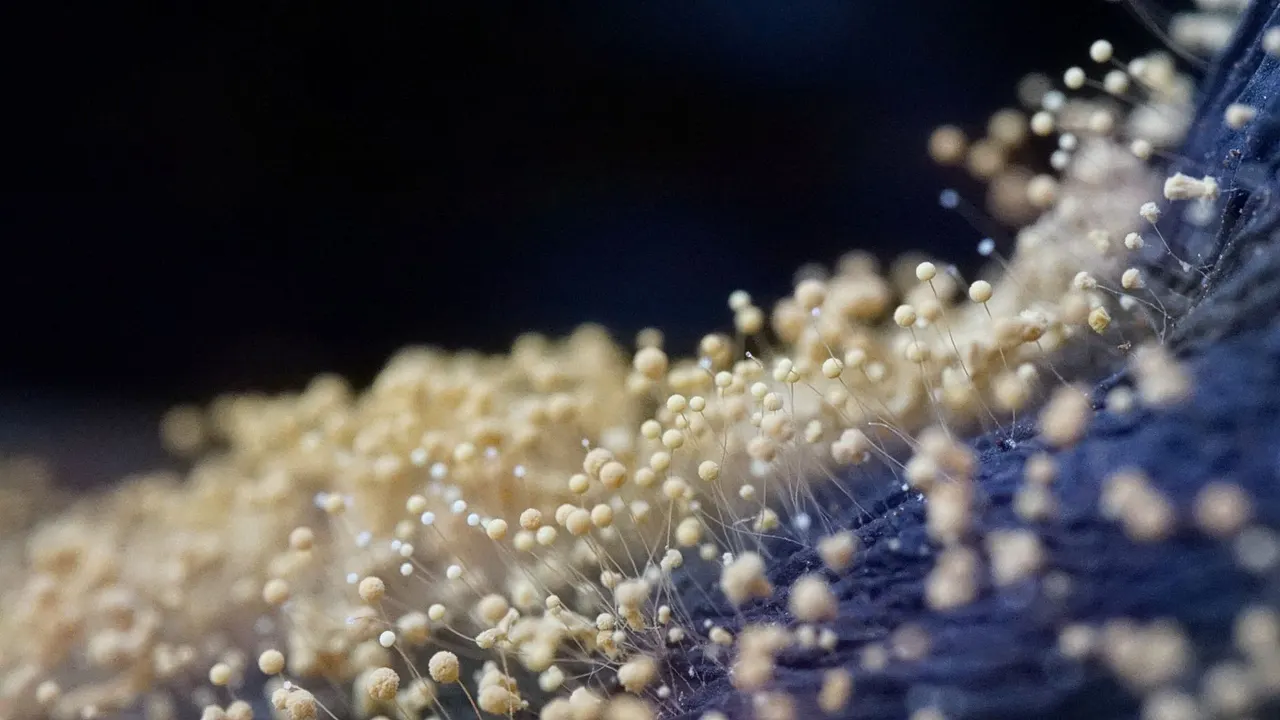
We noticed a musty smell in the back bedroom every time the AC kicked on. CoveGuard came out the same afternoon, found a slow leak behind the drywall with their thermal camera, and had containment up within an hour. They cut out about 40 square feet of drywall, treated the framing, and the clearance test came back clean in four days. The price matched the written estimate exactly.
After last hurricane season we had water come in under a slider and did not catch it fast enough. Black mold showed up along the baseboard within a week. The crew walked me through every step, handled the insurance photos and paperwork, and even replaced the drywall and paint when they were done. You cannot tell anything happened.
I manage six rentals near the Marina District and have used CoveGuard on three of them. They are on time, they document everything, and the clearance reports are ready when I need them for the next tenant. The last job was a crawl space issue in a 1950s house, and they installed a vapor barrier that solved the humidity problem for good.
Most Fort Pierce homes run $1,200 to $6,500 for residential mold remediation, with small bathroom or closet jobs starting around $850. The biggest cost drivers are how many square feet are affected, whether drywall and insulation must be replaced, and whether the source is a simple leak or a whole-house humidity problem. We give you a written range after the inspection, before any equipment is set up.
The three reliable signs are a musty, earthy odor that does not go away, visible dark speckling along baseboards or ceiling corners, and allergy symptoms that ease when you leave the house. Black mold growth often hides behind drywall or above ceiling tiles, so a moisture meter and thermal imaging camera are the only way to confirm it. If you smell it but cannot see it, schedule an inspection.
Sudden water damage that leads to mold is usually covered, while long-term neglect and gradual seepage typically are not. Florida policies generally cap mold coverage at $10,000 unless you bought a rider. We document the loss with photos, moisture readings, and a written scope so your adjuster has what they need, and we can talk directly with your carrier if questions come up.
A single-room job usually takes one to two days of active work, while whole-house remediation can run four to seven days including drying. Clearance testing adds another two to three days for lab results. If rebuild is needed, drywall and paint add a few more days. We give you a day-by-day schedule at the start so you can plan around it.
Not seeing your question? Our local team can help you understand urgency, scheduling and what to expect.
Ask the local team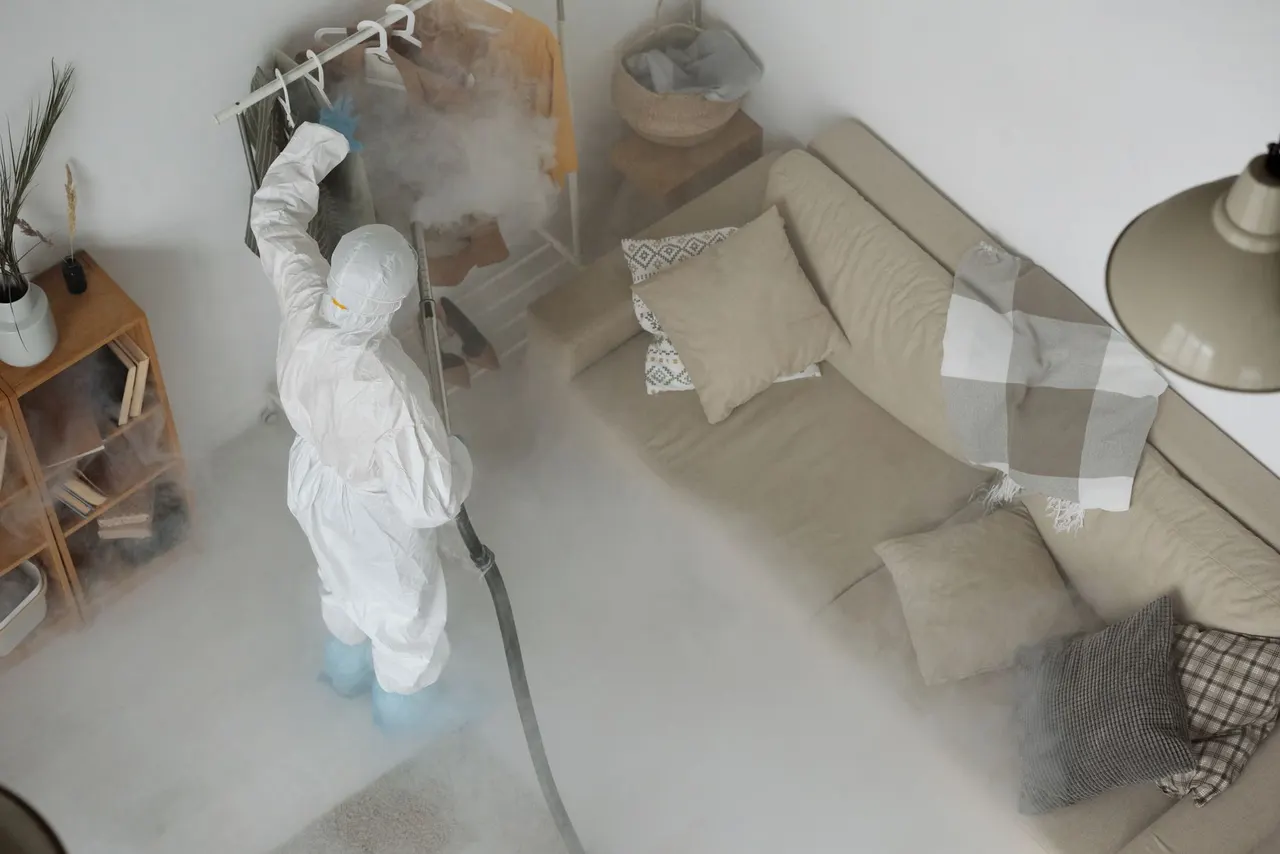
When testing confirms Stachybotrys, our black mold remediation protocol adds extra containment, HEPA filtration, and disposal steps. Fort Pierce homes with long-standing leaks often need this heavier scope, and we handle it under the same license and warranty as standard residential work.
View service
Before any removal, we inspect with moisture meters and thermal imaging and collect air and surface samples for lab analysis. For Fort Pierce homeowners, this is how we confirm whether you have an active problem or just a stain, so you do not pay for remediation you do not need.
View service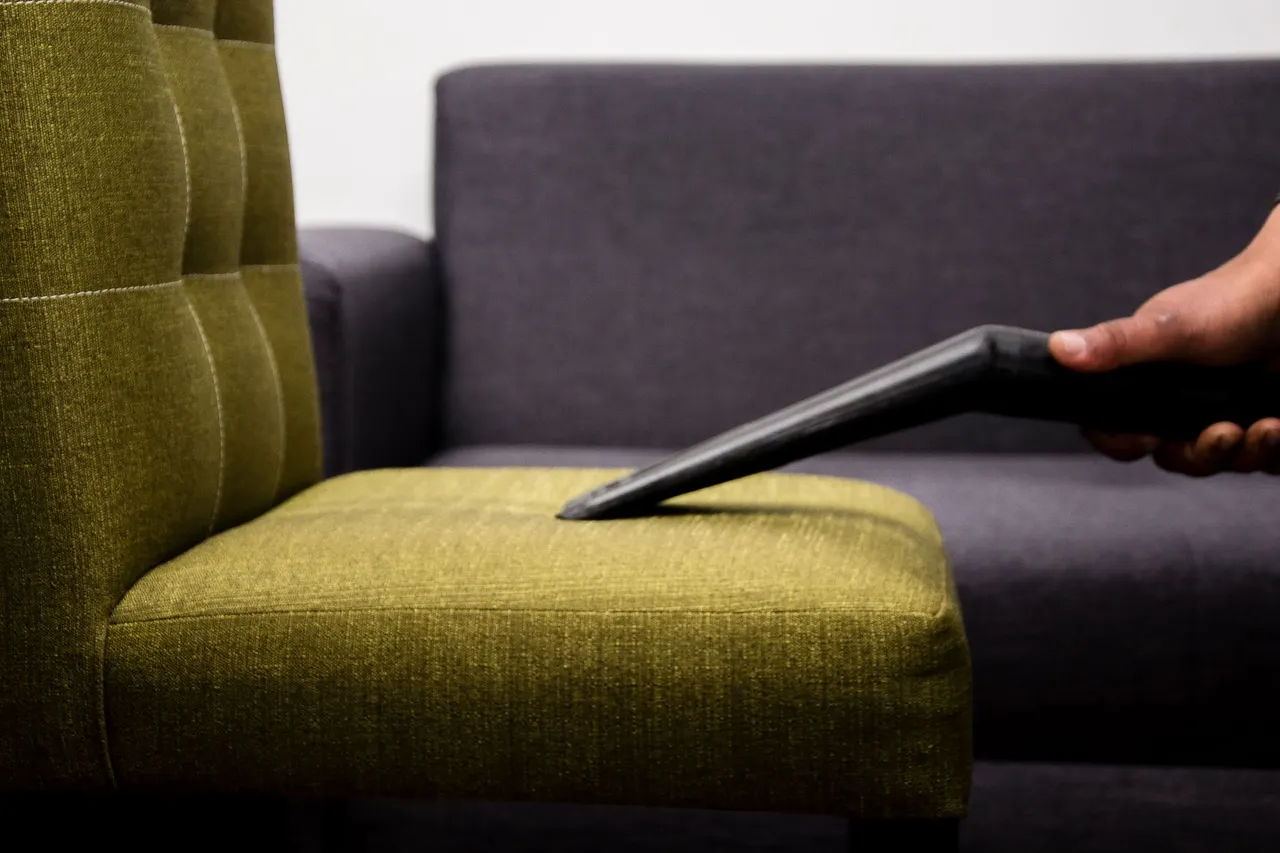
This is the hands-on phase of residential mold remediation: cutting out contaminated drywall, HEPA vacuuming framing, and applying antimicrobial spray. In Fort Pierce, we often pair it with odor removal because musty smells linger in the AC system long after the visible mold is gone.
View service
When a pipe bursts or a storm pushes water into your home, mold can start within 24 hours. Our emergency crews respond around the clock across Fort Pierce, set containment, extract standing water, and begin drying so the mold never gets a foothold.
View service
Call (772) 477-0320 any time, day or night. We answer live and dispatch same-day for mold inspections and emergency remediation across Fort Pierce. If you prefer email, send photos and your address to [email protected] and we will follow up within one business hour.