Focused arrival windows
Useful updates and clear arrival timing.
Black Mold Remediation in Lakewood Park means finding the moisture source, containing the growth, and removing it with IICRC-certified methods. CoveGuard Mold Solutions works 34951 every week, from Lakewood Drive to Indrio Road. We use thermal imaging cameras and moisture meters to track hidden mold behind drywall, then run air scrubbers and HEPA vacuums to clear the air. One call gets a crew to your door.
Useful updates and clear arrival timing.
Review the approach and price before deciding.
Equipped vehicles and respectful cleanup.
Neighbors serving neighbors with follow-through.
CoveGuard Mold Solutions is the local Black Mold Remediation in Lakewood Park team that knows why this area grows mold differently. Lakewood Park sits on a high water table, and the rural and suburban mix means older septic systems, well water, and crawl spaces that stay damp year-round. We serve Lakewood Park Main, Lakewood Drive, and Indrio Road with the same crew that handles mold removal Lakewood Park calls for after every heavy rain. Our technicians carry IICRC AMRT certification and Florida MRSA licensure, so the work is code-correct and documented for insurance. We do not guess. We use thermal imaging cameras and moisture meters to find the source, then air scrubbers and HEPA vacuums to remove the contamination. If you need Black Mold Remediation near Lakewood Park, we are already in the neighborhood.
Lakewood Park sits in a humid pocket of St. Lucie County where mold calls spike after summer storms and stay steady through winter. We run full Black Mold Remediation in Lakewood Park FL near me response for homes, rentals, and small commercial buildings. Whether you need same-day mold cleanup in Lakewood Park or a scheduled inspection, we bring the tools and the certifications to finish the job.
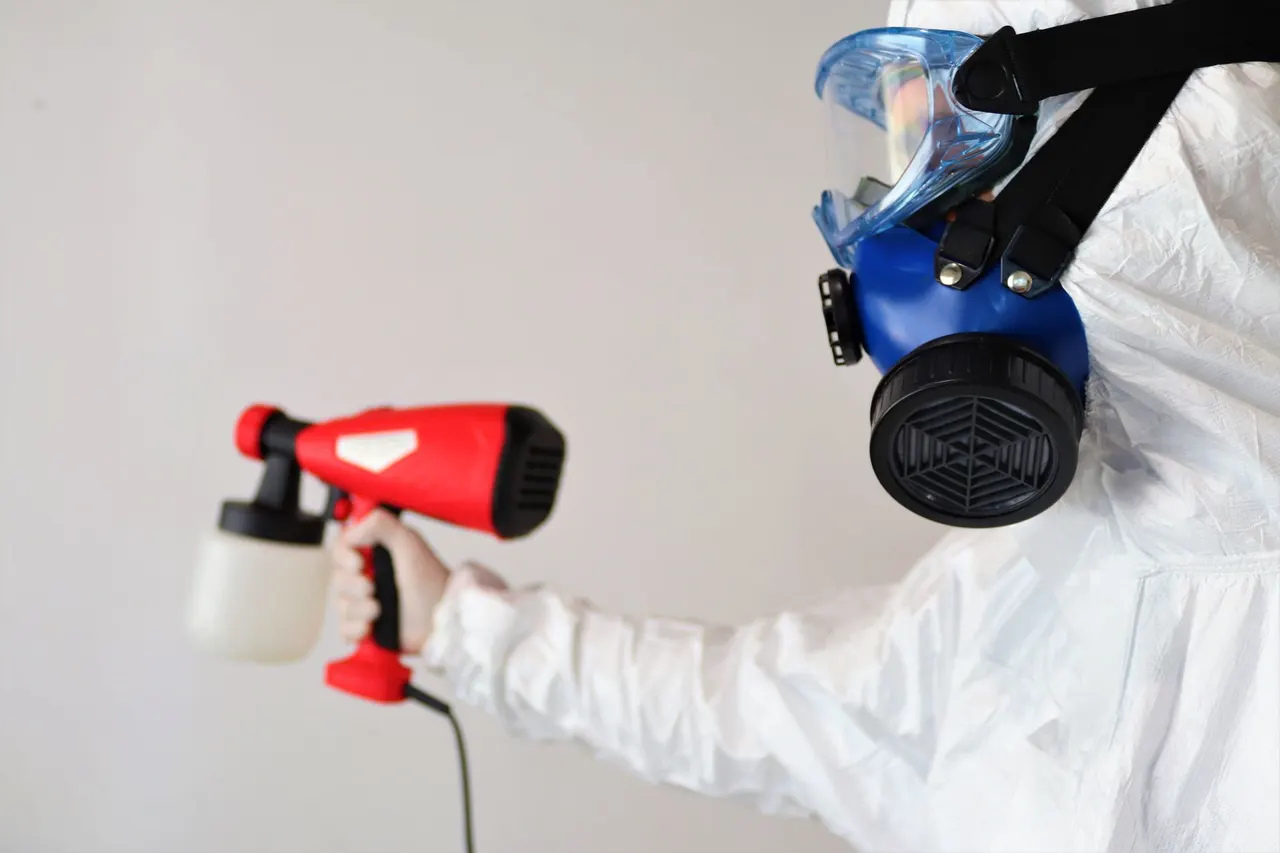
Our core service in Lakewood Park targets black mold growth at the source. We contain the area with plastic sheeting, run negative air machine filtration, and remove contaminated materials. Technicians apply antimicrobial spray and verify with moisture meters before we close up. Most Lakewood Park jobs finish in one to three days.
View service →02We inspect Lakewood Park homes with thermal imaging cameras and boroscope inspection cameras to find hidden mold behind drywall and in crawl spaces. Air and surface samples go to a third-party lab. You get a written report you can use for insurance or a real estate sale. Inspections usually take 60 to 90 minutes.
View service →03Mold removal Lakewood Park calls are often the same story: a slow leak, a damp closet, a musty smell that will not leave. We remove affected drywall, insulation, and flooring, then HEPA vacuum every surface. Antimicrobial treatment follows, and we bag all debris for proper disposal. Cleanup is thorough, not cosmetic.
View service →04Emergency Black Mold Remediation Lakewood Park residents call after a pipe bursts or a storm pushes water under a door. We answer 24/7 and roll a crew to 34951 with air scrubbers and dehumidifiers. The goal is to stop moisture from spreading and stabilize the space before full remediation begins.
View service →05Most of our Lakewood Park work is residential. We handle single-family homes, mobile homes, and rentals from Lakewood Park Main to Indrio Road. Older septic systems and high humidity make bathrooms, kitchens, and crawl spaces common problem areas. We treat each home like it is our own.
View service →06Small businesses along Indrio Road and Lakewood Drive need mold work done without shutting down. We schedule commercial remediation after hours or in phases, contain work zones with plastic sheeting, and use air scrubbers to keep dust and spores out of customer areas. Documentation is provided for property managers.
View service →07Attics in Lakewood Park get brutally hot and humid, which feeds mold on roof sheathing and trusses. We inspect with boroscope cameras, treat wood with antimicrobial spray, and improve ventilation where needed. If the attic stays wet, we find the roof or HVAC leak causing it.
View service →08Basements are rare in Lakewood Park, but when they exist they sit close to the high water table. We pump standing water, dry the slab with dehumidifiers, and treat walls and floors with antimicrobial spray. Vapor barrier installation often follows to keep moisture from wicking back in.
View service →09Crawl space moisture is one of the biggest mold drivers in 34951. We remove fallen insulation, HEPA vacuum joists, and treat wood with RMR-86 or Concrobium. Encapsulation vapor barrier installation is the long-term fix. Most crawl space jobs take two to four days.
View service →Every Black Mold Remediation in Lakewood Park job starts with containment. We seal doorways and vents with plastic sheeting and duct tape, then set up a negative air machine so spores cannot travel through the house. Technicians wear personal protective equipment, including respirators and Tyvek suits, on every job. We use moisture meters and thermal imaging cameras to map the wet zone before we cut anything. In Lakewood Park, that often means checking crawl spaces and attic sheathing first, because the high water table and humidity push moisture up and in. If you need 24/7 mold removal Lakewood Park FL service, we answer the phone at 2 a.m. and roll a crew. Most jobs run two to four days depending on how far the mold spread. We finish with post-remediation verification and a clearance report.
Crawl spaces in Lakewood Park stay humid even in dry months, so mold returns if the source is not sealed. Standard drying is not enough. We see joists and insulation with surface mold year-round, and homeowners often do not know it is there until they smell it inside. We install reinforced vapor barrier and encapsulation systems, then add a dehumidifier to keep relative humidity below 60 percent. We also check grading and drainage around the foundation. This stops the moisture cycle instead of just cleaning the mold.
Many Lakewood Park homes run on septic, and older drain fields can saturate the soil near the house. That moisture wicks into slab edges and exterior walls. We find elevated readings along foundation walls that look fine on the surface. We use thermal imaging cameras to trace moisture paths and boroscope inspection cameras to check wall cavities. If the drain field is the source, we recommend a septic evaluation and address interior moisture with dehumidification and antimicrobial treatment.
Lakewood Park humidity sits above 70 percent most of the summer. Attics bake during the day and cool at night, causing condensation on roof sheathing. HVAC systems pull that damp air through the house, and mold can grow on coils and ductwork. We treat attic wood with antimicrobial spray, improve ventilation, and clean HVAC components with Benefect or Concrobium. Air duct mold cleaning and air scrubber use follow. We also check the air handler drain pan, a common mold spot.
Florida requires a state license for mold assessment and remediation work. We hold MRSA licensure, which means our inspections and removal meet state standards. If you hire an unlicensed crew in Lakewood Park, you may have trouble with insurance claims and resale inspections.
The IICRC S520 standard guides how we contain, remove, and verify mold work. It sets requirements for negative air pressure, HEPA filtration, and clearance testing. Following it protects your home and gives you documentation that holds up with adjusters and buyers.
Lakewood Park has a specific set of conditions that drive mold: high humidity, a high water table, older septic systems, and a mix of older and newer construction. These factors create recurring problems we see again and again. Knowing them helps you spot trouble early.
The water table in Lakewood Park sits close to the surface, so crawl spaces stay damp even without a leak. Without a vapor barrier, ground moisture rises into the wood and insulation. Mold grows on joists and subfloor within weeks. We remove contaminated insulation, HEPA vacuum the wood, and treat it with antimicrobial spray. Then we install a reinforced vapor barrier and add a dehumidifier. This stops moisture from coming back.
Lakewood Park attics get extremely hot during the day and cool at night. That temperature swing causes condensation on the underside of roof sheathing. Over time, mold grows on the wood. Poor ventilation makes it worse. We treat the sheathing with RMR-86 or ShockWave, improve attic ventilation, and fix any roof or HVAC leaks. We also check insulation for contamination. Most attic jobs take one to two days.
Slow leaks from supply lines, drains, and appliances go unnoticed until mold appears. In Lakewood Park humidity, the wall cavity stays wet longer. By the time you see it, mold has often spread behind the drywall. We use thermal imaging cameras and moisture meters to map the wet area. Contaminated drywall is removed, framing is treated, and new mold-resistant drywall goes in. We also fix the leak source.
Air handlers and ductwork collect dust and moisture. In Lakewood Park, AC systems run almost year-round, so the problem builds fast. Mold on coils or in ducts blows spores into every room. We clean coils, drain pans, and ductwork with Benefect or Concrobium. Air duct mold cleaning and air scrubber use follow. We also check for leaks in the system that let humid air in.

Typical 2026 pricing for Black Mold Remediation in Lakewood Park runs $1,200 to $3,800 for most residential jobs, depending on how far the mold spread and what materials need to come out. Small bathroom or kitchen jobs often land near the lower end. Crawl space and attic jobs with vapor barrier or encapsulation work can run higher. Emergency calls after hours may add a dispatch fee. We give you a written estimate before we start, and we do not add charges without your approval. If you are comparing quotes, ask what is included. Some low bids skip containment, HEPA filtration, or clearance testing, which can leave spores behind.
The larger the contaminated area, the more materials and labor are needed. A single bathroom might take a day, while a whole-house remediation can take a week. We measure the affected zone during inspection and price from that.
Crawl spaces, attics, and wall cavities are harder to reach than open rooms. Access affects how much containment and equipment we need. Crawl space jobs in Lakewood Park often require vapor barrier work, which adds to the total.
Drywall, insulation, carpet, and cabinetry that cannot be cleaned must be removed and replaced. Mold-resistant drywall and new insulation add material cost. We itemize every material on the estimate so you see where the money goes.
Lakewood Park is not a grid, so we navigate by landmarks. Lakewood Park Elementary is a central reference point for the surrounding residential streets. Lakewood Regional Park helps us orient toward the northern neighborhoods. Indrio Savannahs Preserve marks the eastern edge where rural properties begin. When you call, we ask for the nearest landmark or cross street, and our techs know exactly where to turn. That saves time and gets drying equipment running faster.
A central school on the main residential grid. We use it to orient toward nearby streets and neighborhoods when dispatching crews. It helps us confirm which side of Lakewood Park a caller is on.
A large park that anchors the northern part of the community. We reference it when routing to homes and businesses in the surrounding blocks. It is a useful boundary marker for our dispatch map.
A preserve on the eastern side of the area. It marks where the suburban streets transition to rural properties. We use it to identify addresses on Indrio Road and nearby lots.
A mix of small businesses, contractors, and service shops along Indrio Road. These are mostly local operations serving the surrounding residential community. We provide commercial mold remediation for several property types here.
US-1 runs west of Lakewood Park and is our main route for equipment and crews. It connects the area to Fort Pierce and the rest of St. Lucie County.
Indrio Road is the primary east-west route through Lakewood Park. It links the residential core to the rural properties and the preserve area.
We cover Lakewood Park Main, Lakewood Drive, and Indrio Road, plus the surrounding streets in 34951. Our crews know which blocks flood first, which crawl spaces stay wet, and which older homes have septic systems that need extra attention. If you are in Lakewood Park, we are close.
The core of Lakewood Park mixes single-family homes, rentals, and small businesses. Older construction means more crawl spaces and fewer vapor barriers. We see mold behind bathroom walls and in kitchen cabinets after slow leaks. Humidity is the constant driver. We are usually on site within 30 to 45 minutes of your call.
Homes along Lakewood Drive sit on larger lots with mature trees and older septic systems. Shade keeps walls damp longer after rain, and drain fields can saturate the soil. Attic and crawl space mold calls are common here. We know the streets and the typical floor plans. Lakewood Drive is a short drive from our staging area, so response is fast.
Indrio Road runs toward the preserve and has a mix of rural properties and newer builds. Rural lots often have well water and septic, which add moisture sources. We check pressure tanks, drain lines, and crawl spaces. Mold here is usually tied to plumbing or drainage. We route crews through Indrio Road daily and can usually arrive within 45 minutes.
Properties near Indrio Savannahs Preserve deal with high groundwater and seasonal flooding. The soil stays wet, and slab edges wick moisture. We see mold on baseboards and lower drywall after wet winters. Vapor barriers and dehumidifiers are common fixes here. We know the access roads and can reach most properties in under an hour.
These are real jobs we have completed in Lakewood Park. They show the kind of problems we see and how we fix them. Every job includes containment, removal, antimicrobial treatment, and verification.
A homeowner on Lakewood Drive noticed a musty smell in the hallway and found black mold behind the baseboard in a bedroom. The source was a slow leak from an outdoor spigot. We contained the bedroom with plastic sheeting and ran a negative air machine. The affected drywall was removed, framing was treated with RMR-86, and new mold-resistant drywall was installed. We dried the wall cavity with air movers and verified with moisture meters. The job took two days. Post-remediation air samples came back clear, and the homeowner passed a follow-up inspection for a home sale.
A rental property near Lakewood Park Elementary had mold covering the crawl space joists and insulation. The high water table kept the space damp year-round. We removed fallen insulation, HEPA vacuumed the joists, and treated the wood with antimicrobial spray. A 12-mil vapor barrier was installed across the crawl space floor and up the walls. We added a dehumidifier to control humidity. Crawl space humidity dropped from 82 percent to 54 percent within 48 hours. The landlord avoided a full encapsulation and saved money.
A small business on Indrio Road had mold growth around an HVAC air handler after a condensate line clogged and overflowed into the ceiling. We isolated the mechanical room, cleaned the air handler with Benefect, and fogged the ductwork. Wet ceiling tiles were removed and replaced. We ran air scrubbers with HEPA filters for 24 hours and treated all surfaces with antimicrobial spray. The business reopened the next day with no musty odor. Follow-up testing showed no active mold spores in the air.

We had mold behind the drywall in our bathroom and did not know where to start. CoveGuard came out the same day, showed us the moisture readings, and explained exactly what they would do. They contained the area, removed the moldy drywall, and treated everything. The clearance test came back clean. Fair price and no surprises.
Our crawl space was a mess. High water table kept it wet, and mold was growing on the joists. The crew installed a vapor barrier and a dehumidifier, and the difference is night and day. No more musty smell in the house. They were professional and cleaned up after themselves.
After a pipe leak, mold showed up in our kitchen cabinets. CoveGuard handled everything, including working with our insurance adjuster. They documented the damage, removed the moldy cabinets, and treated the wall. The kitchen looks great now. I would call them again without hesitation.
Lakewood Park mold does not follow a strict calendar, but the seasons change where it shows up and how fast it grows. Humidity is the constant. Here is what we see month by month and what you can do about it.
Spring rains raise the water table and soak crawl spaces. Mold growth accelerates in attics and wall cavities as temperatures warm. We see a spike in inspection calls from homeowners who notice musty odors after the first warm week.
Peak humidity season in Lakewood Park. AC systems run constantly, and condensation forms on cold surfaces. Attic mold and HVAC mold contamination are most common now. We also see mold after summer storms push water into homes.
Hurricane season runs through November, and storm-driven rain can cause hidden leaks. Mold often appears weeks after the storm, once the water has had time to spread. We see a lot of mold behind drywall and under flooring in the fall.
Winter is mild in Lakewood Park, but humidity stays high. Crawl spaces and attics remain damp. We see mold growth continue through the cooler months, especially in homes that are closed up with little ventilation.
Lakewood Park is part of a larger service region that includes Fort Pierce and the Treasure Coast. We run crews through St. Lucie County daily, so we can reach nearby cities quickly. If you are outside Lakewood Park, we probably still cover your area.
About 15 minutes southwest of Lakewood Park via US-1. Many of our Lakewood Park customers work in downtown Fort Pierce, and we serve both areas.
Local coverage and details
A Fort Pierce neighborhood roughly 20 minutes from Lakewood Park. We handle mold calls there on the same routes as our 34951 jobs.
Local coverage and details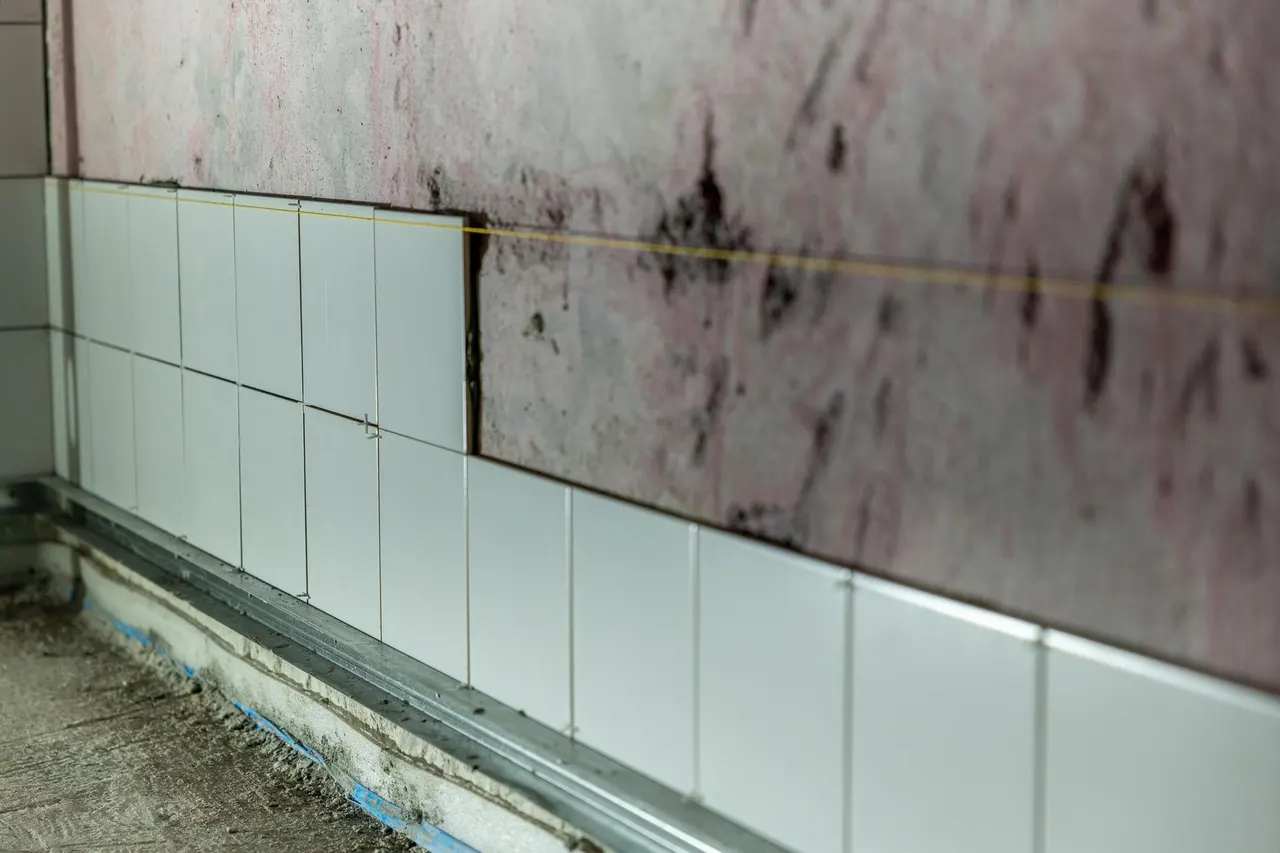
Located in downtown Fort Pierce, about 15 to 20 minutes away. Older buildings in the district often need mold inspection and remediation.
Local coverage and details
About 25 minutes southeast of Lakewood Park. Coastal humidity makes mold a year-round concern for South Beach properties.
Local coverage and detailsNot every mold company in Lakewood Park does the same work. Some cut corners on containment or skip clearance testing. Asking the right questions before you hire can save you from a job that looks done but is not. Here is what we tell customers to ask.
Florida requires a Mold-Related Services License (MRSA) for mold work. Insurance protects you if something goes wrong. An unlicensed crew can leave you with a failed inspection and no recourse.
Proper containment with plastic sheeting and a negative air machine keeps spores from spreading through your home. HEPA vacuums and air scrubbers remove contamination. A company that skips these steps is not doing real remediation.
Clearance testing proves the mold is gone. Without it, you have no way to know if the job worked. We provide third-party lab results and a written report you can keep for insurance or resale.
Mold claims need documentation: photos, moisture logs, and lab results. A company that does not help with the claim leaves you to figure it out alone. We work directly with adjusters to make the process easier.
Ask for a written estimate that itemizes labor, materials, and testing. A low quote that excludes containment or clearance testing is not a bargain. We give you a clear price before we start.
IICRC
IICRC
ACAC
EPA
OSHA
$2M general liability
Member
Member
Most Lakewood Park jobs run $1,200 to $3,800 in 2026, depending on the size and location of the mold. Small bathroom jobs are often near the low end. Crawl space or attic work with vapor barrier installation can run higher. We provide a written estimate before we start.
The best company is the one that shows you moisture readings, uses containment and HEPA filtration, and provides clearance testing. We are IICRC AMRT certified and Florida MRSA licensed. Ask any company for their license, insurance, and a sample clearance report before you hire.
Most homeowners policies cover mold remediation when it results from a covered water loss, like a burst pipe or storm damage. Maintenance-related mold is often excluded. We document the damage and work with your adjuster to support the claim. Coverage depends on your specific policy.
Yes. We answer calls 24/7 for emergency Black Mold Remediation in Lakewood Park. If you have active water intrusion or visible mold after a leak, call us at (772) 477-0320. We can usually have a crew on site within 30 to 45 minutes.
Most residential jobs take two to four days from containment to clearance testing. Small bathroom or kitchen jobs can finish in one day. Crawl space encapsulation and large attic jobs may take up to a week. We give you a timeline during the inspection.
Not seeing your question? Our local team can help you understand urgency, scheduling and what to expect.
Ask the local team
Call (772) 477-0320 any time, day or night. We answer live and dispatch same-day for mold inspections and emergency remediation across Fort Pierce. If you prefer email, send photos and your address to [email protected] and we will follow up within one business hour.