How to stop mold growth in your HVAC system and air ducts
Mold in your HVAC system spreads spores through every room. Here's how Fort Pierce homeowners stop it at the source and keep ducts dry.
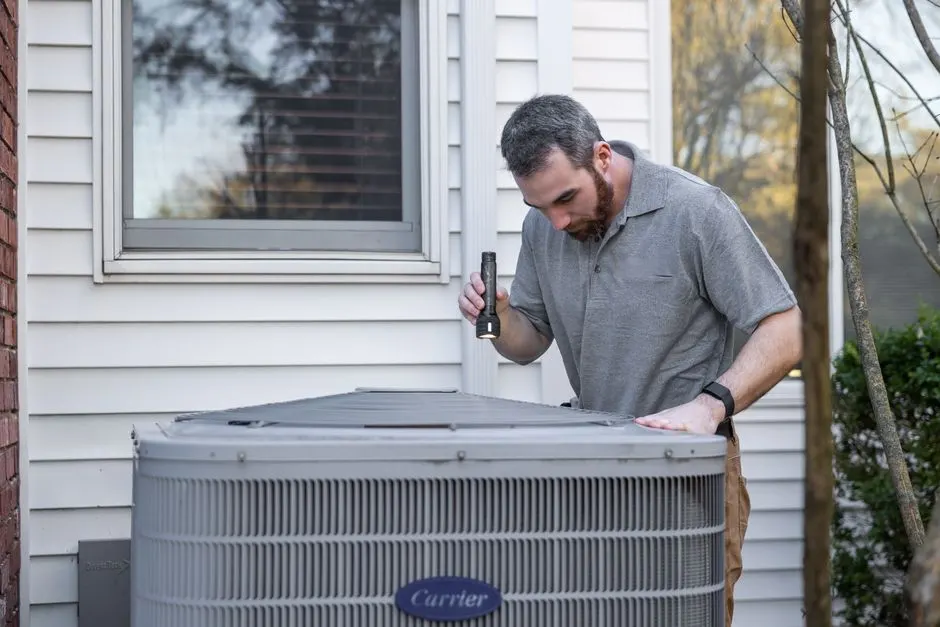
You stop mold growth in your HVAC system by eliminating the moisture it needs to survive: fix the condensate drain, keep the indoor humidity below 60%, run the fan longer after the AC shuts off, and clean or replace the evaporator coil and drain pan. In Fort Pierce, where summer dew points sit above 70°F for months, that moisture control has to be deliberate - not left to chance.
Mold in an HVAC system is a moisture problem that feeds on dust and organic debris inside the air handler, drain pan, and ductwork. This guide covers why it happens here, how to stop it, what cleaning costs in 2026, and when to call a professional before spores spread through every room.
Why mold grows in air conditioners in Fort Pierce
Mold grows in air conditioners in Fort Pierce because the equipment creates the exact conditions mold needs: a dark cabinet, a constant film of condensation, and a steady supply of dust. Our climate adds fuel - Fort Pierce averages 55 to 60 inches of rain a year, and relative humidity stays above 75% most summer afternoons.
The air handler is the usual starting point. When the AC runs, the evaporator coil drops to roughly 40°F. Water condenses on the fins and drips into the drain pan. If the pan doesn't fully drain, that standing water sits at 70°F to 80°F - a perfect incubator. Mold can colonize a wet pan in 24 to 48 hours.
Ductwork makes it worse. Flexible ducts sag, and low spots collect condensation when the system short-cycles. Homes built before 1990 in neighborhoods like Lincoln Park and the older blocks near downtown often have original duct runs with torn insulation - those tears let humid attic air bleed into the supply side.
Three local factors drive HVAC mold growth in Fort Pierce more than most homeowners expect:
- Oversized systems. A unit that cools the house in 8 minutes doesn't run long enough to pull humidity out of the air. It leaves the coil wet between cycles.
- Closed-up houses. From June through September, windows stay shut and the AC carries the entire moisture load.
- Attic heat. Attic temperatures hit 130°F to 140°F. Ducts running through that space sweat on the outside when the system shuts off.
If you've already found visible growth, our team handles HVAC Mold Remediation Fort Pierce FL with containment and HEPA filtration so spores don't spread to the rest of the house.
How to stop mold growth in your HVAC system in Fort Pierce
Stopping mold growth in your HVAC system in Fort Pierce comes down to five maintenance habits, and none of them require a contractor for the first three.
- Flush the condensate drain every 60 days. Pour a cup of distilled white vinegar down the access tee, then a gallon of water. In Fort Pierce's humidity, algae clogs form fast - a blocked drain backs water into the pan and straight into the cabinet.
- Keep indoor humidity between 45% and 55%. A $15 hygrometer from any hardware store tells you where you stand. If you're reading 60% or higher with the AC running, the system isn't keeping up.
- Change the filter every 30 days from May through October. A loaded filter restricts airflow, the coil gets colder, and more condensation forms. Standard 1-inch filters are fine - you don't need a $40 filter to stop mold.
- Set the fan to AUTO, not ON. Running the blower continuously pulls moisture off the wet coil and pushes it back into the ducts. This one setting change prevents a lot of duct mold prevention problems in Fort Pierce.
- Schedule a coil and pan cleaning every 12 months. A technician pulls the blower, cleans the evaporator coil, and treats the pan. Budget $150 to $350 in 2026 for a standard residential cleaning.
If your home reads 60% or higher even with these steps, adding dehumidifier installation Fort Pierce takes the load off the AC and holds the house in the safe range year-round.
What about UV lights and duct sprays?
UV-C lights mounted at the coil kill mold on the coil surface, but they don't reach the ducts or the drain pan. They're a supplement, not a fix. Fogging sprays sold online can leave residue that traps dust and feeds the next bloom. Skip them.
Can mold grow in air ducts in Fort Pierce FL?
Yes - mold can grow in air ducts in Fort Pierce FL, and it usually starts within 6 to 10 feet of the air handler where the air is coolest and dampest. Ducts themselves are metal or flex, and mold can't eat metal. It feeds on the dust layer that coats the inside of every duct in a running system.
Once that dust gets damp, it stays damp. Ducts in a vented attic sit in 130°F air during the day and cool to 75°F at night - that swing pushes moisture into the dust film. Add a supply register in a bathroom or kitchen and you've given the system a direct humidity source.
Signs you have duct mold rather than just dirty ducts:
- A musty, wet-basement smell when the AC kicks on
- Dark speckling on the register grilles or the flex duct collar
- Visible growth on the insulation facing inside the air handler closet
- Allergy symptoms that spike 10 to 15 minutes after the system starts
If you can see growth, don't run the system. Every cycle spreads spores. Our Air Duct Mold Cleaning Fort Pierce FL service uses negative-pressure containment and HEPA vacuuming on the full duct run, then applies an antimicrobial coating to stop regrowth.
How often should HVAC ducts be cleaned for mold in Fort Pierce?
HVAC ducts should be cleaned every 3 to 5 years for routine maintenance in Fort Pierce, but immediately if you see visible mold, smell mustiness, or have had water intrusion. The 3-to-5-year window is shorter here than the national 5-to-7-year guidance because our cooling season runs 8 months.
Three situations override the schedule and call for cleaning now:
- Any visible mold on ducts, registers, or the air handler interior
- A water event - roof leak, AC condensate overflow, or storm surge intrusion
- After any remediation work in the home, to clear settled spores from the duct system
For homes that have never had ducts cleaned and are 15+ years old, expect a full day of work. We inspect with a camera first, then quote the actual scope. Typical 2026 pricing for duct mold cleaning in Fort Pierce runs $400 to $1,200 depending on the number of runs and whether the air handler needs separate treatment.
Does HVAC mold affect air quality in Fort Pierce?
Yes - HVAC mold directly affects indoor air quality in Fort Pierce because the system recirculates the same air 5 to 7 times per hour. Every pass through a contaminated air handler or duct run picks up spores and distributes them to every room.
The EPA and CDC both flag indoor mold as a trigger for asthma, allergic rhinitis, and respiratory irritation. In a closed-up Fort Pierce home during July, there's no dilution from outside air - the concentration inside can climb well above outdoor levels.
If anyone in the house wakes up congested, gets headaches by mid-afternoon, or notices symptoms ease when they're away for a weekend, the HVAC system is a prime suspect. Air quality testing costs $250 to $500 and gives you a baseline spore count before and after cleaning.
For a full picture of what's growing and where, mold testing Fort Pierce includes air sampling at multiple points plus surface swabs of the coil and pan.
Common mistakes that make HVAC mold worse
Most HVAC mold problems we see in Fort Pierce were made worse by one of these five mistakes - usually in the week after the homeowner first noticed the smell.
- Spraying bleach into the ductwork. Bleach kills surface mold on contact but doesn't reach the dust layer underneath, and the moisture in the spray feeds what's left. It also corrodes the coil and metal duct seams.
- Running the system to "dry it out." If the coil or pan is contaminated, every cycle spreads spores through the house. Shut the system down and get it inspected.
- Replacing the filter and calling it done. A new filter doesn't touch mold on the coil, pan, or duct walls. It's one step, not the fix.
- Ignoring a slow condensate drain. A drain that empties in 30 seconds instead of 5 is already partly clogged. It will overflow within weeks.
- Setting the thermostat lower to "dry the air." Colder doesn't mean drier. An oversized system running at 68°F short-cycles and leaves more moisture behind than one running at 75°F.
If you've already tried one of these and the smell is back, our black mold removal Fort Pierce team can assess the full system and the surrounding building materials.
When to call a professional
Call a professional when you can see mold on the coil, pan, or duct interior; when the musty smell returns within 2 weeks of cleaning; when the affected area is larger than 10 square feet; or when anyone in the home has asthma or a compromised immune system.
We handle the full job: containment, HEPA vacuuming, antimicrobial treatment, and clearance testing so you know the spore count is back to normal before the system goes back online. We also work directly with your insurance carrier if the mold traces back to a covered water loss.
CoveGuard Mold Solutions serves Fort Pierce and the surrounding Treasure Coast. If you're in the 34950, 34947, or 34982 ZIP codes, we can usually inspect within 48 hours.
Frequently Asked Questions
How do I stop mold growth in my HVAC system in Fort Pierce?
Flush the condensate drain every 60 days, keep indoor humidity between 45% and 55%, change the filter monthly from May through October, set the fan to AUTO, and get the coil and pan cleaned annually. Those five steps stop mold at the source in most Fort Pierce homes.
Can mold grow in air ducts in Fort Pierce FL?
Yes. Duct mold typically starts within 6 to 10 feet of the air handler, where cool air and a dust layer create a damp surface. Visible growth on registers or a musty smell when the AC starts are the two clearest signs.
How often should HVAC ducts be cleaned for mold in Fort Pierce?
Every 3 to 5 years for routine maintenance, and immediately if you see visible mold, smell mustiness, or have had water intrusion. Fort Pierce's 8-month cooling season shortens the standard 5-to-7-year national interval.
Does HVAC mold affect air quality in Fort Pierce?
Yes. The system recirculates indoor air 5 to 7 times per hour, so spores from a contaminated coil or duct spread to every room. In a closed-up summer home, indoor spore counts can exceed outdoor levels.
When should I call a pro for HVAC mold in Fort Pierce?
Call when you see visible growth on the coil, pan, or ducts; when the smell returns within 2 weeks of cleaning; when the affected area exceeds 10 square feet; or when someone in the home has asthma. Testing and remediation cost $250 to $1,200 depending on scope.
Get help with Black Mold Remediation in Fort Pierce
If you've found mold in your air handler or ducts, we'll inspect the system, contain the growth, and clean it back to a safe spore count - usually in a single visit. Call CoveGuard Mold Solutions at (772) 477-0320 to schedule your HVAC mold inspection.