Focused arrival windows
Useful updates and clear arrival timing.
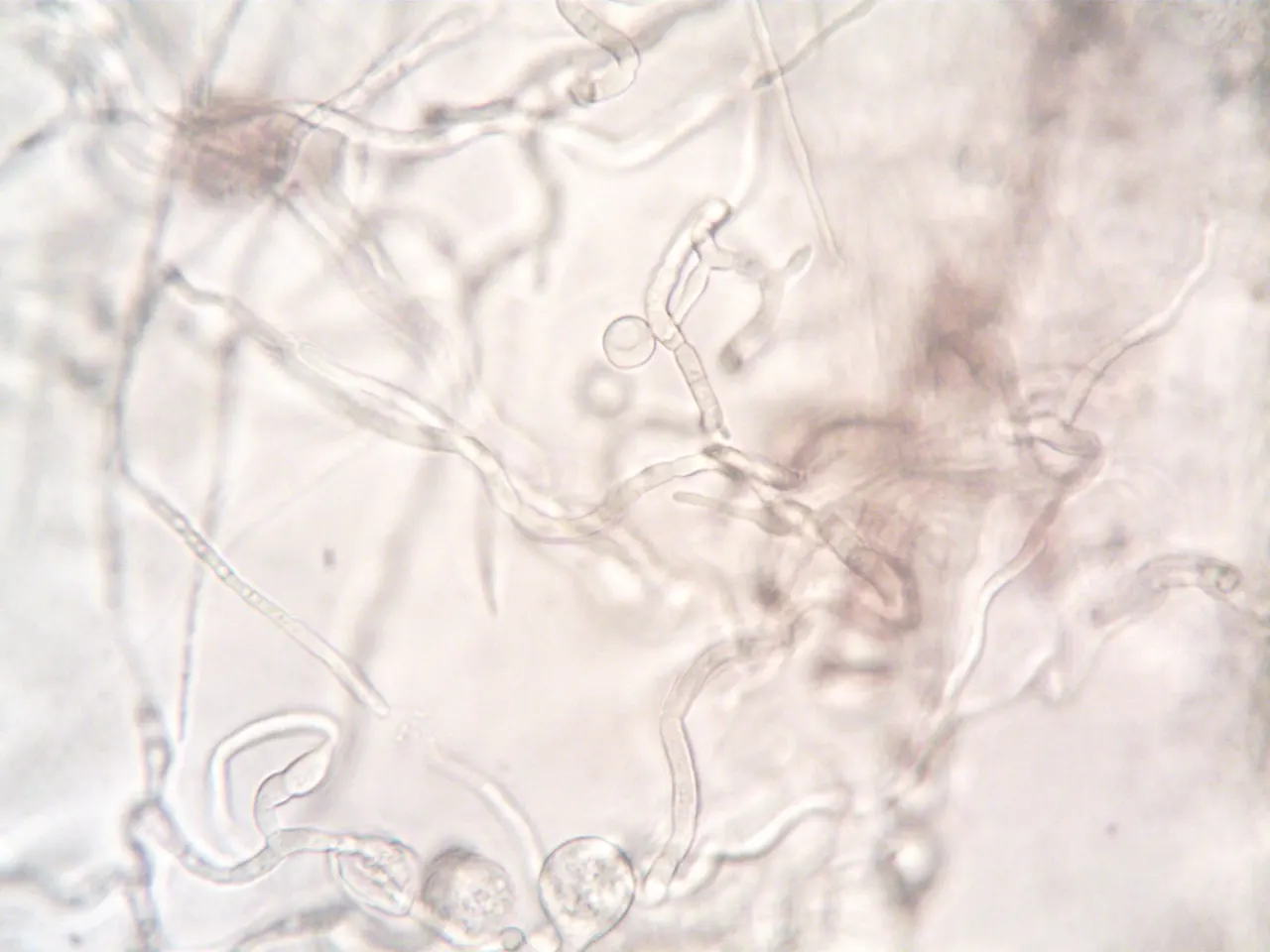
HVAC Mold Remediation Fort Pierce FL targets the mold growing inside your air handler, evaporator coil, and ductwork, not just the stain on the ceiling. If your vents push out a damp, earthy smell or your allergies spike every time the AC kicks on, we find the colony, kill it, and verify the system is clean. Our technicians work across St. Lucie County with the same containment gear used on large commercial losses.
Useful updates and clear arrival timing.
Review the approach and price before deciding.
Equipped vehicles and respectful cleanup.
Neighbors serving neighbors with follow-through.
Every HVAC mold remediation we run covers the full air path from return grille to supply register. The list below is standard on residential and light commercial jobs. If your system needs duct board replacement or a new drain pan, we price that separately and tell you before we start.
Moisture meter readings at the air handler, supply plenum, and accessible duct runs, plus a boroscope inspection camera pass through the interior. Air sampling where growth is visible or suspected. You get a written findings summary the same day.
Plastic sheeting and duct tape seal the work zone. A negative air machine with HEPA filtration runs for the duration, keeping spores out of your living space. Setup takes about 45 minutes on a typical residential system.
The evaporator coil, blower wheel, drain pan, and cabinet interior get HEPA vacuumed and physically cleaned. We use products like Concrobium and Benefect where surfaces need residual antimicrobial protection. This is the core of the job.
Accessible duct runs get brushed and HEPA vacuumed, then fogged with an antimicrobial spray to reach surfaces a brush cannot touch. Contaminated duct board sections are removed and replaced with new board or mold-resistant drywall.
A dehumidifier and air scrubber run until the cabinet and ductwork hit dry standard, usually 12 to 24 hours. We monitor with a moisture meter and do not pull equipment until readings confirm the system is dry.
Post-remediation air samples and moisture readings confirm the job worked. You get written clearance documentation you can file for insurance or resale. If anything reads high, we re-clean that section at no additional charge.
Share what is happening and receive a clear next step from the local team.
HVAC Mold Remediation Fort Pierce FL is the contained removal of fungal growth from the air handler, evaporator coil, blower, drain pan, and duct runs, followed by antimicrobial treatment and verification. It is needed when condensation, a clogged drain line, or a refrigerant issue keeps the coil wet long enough for spores to colonize. We open the cabinet, inspect the interior with a boroscope inspection camera, and map every wet surface before we touch anything. The work is not a spray-and-go job. Surfaces get physically cleaned, treated, and then dried with controlled airflow so the colony does not return the next time your system runs.
Fort Pierce sits in one of the most humid pockets of Florida, and that humidity is the engine behind most AC mold calls we run. A system that short-cycles, an oversized unit that never removes enough moisture, or a return plenum pulling air from a damp garage all feed the problem. Homeowners in older River Park and Lincoln Park properties often find growth on fiberglass duct board that has been wet since last summer. If you have been searching for HVAC mold remediation Fort Pierce FL near me and getting thin sales pages, this is the technical breakdown of what the job really takes.
We start with a full assessment: moisture meter readings at the air handler and supply plenum, a boroscope inspection camera pass through the duct runs, and air sampling where growth is suspected. You get a written findings summary the same day, usually within two to three hours on site.
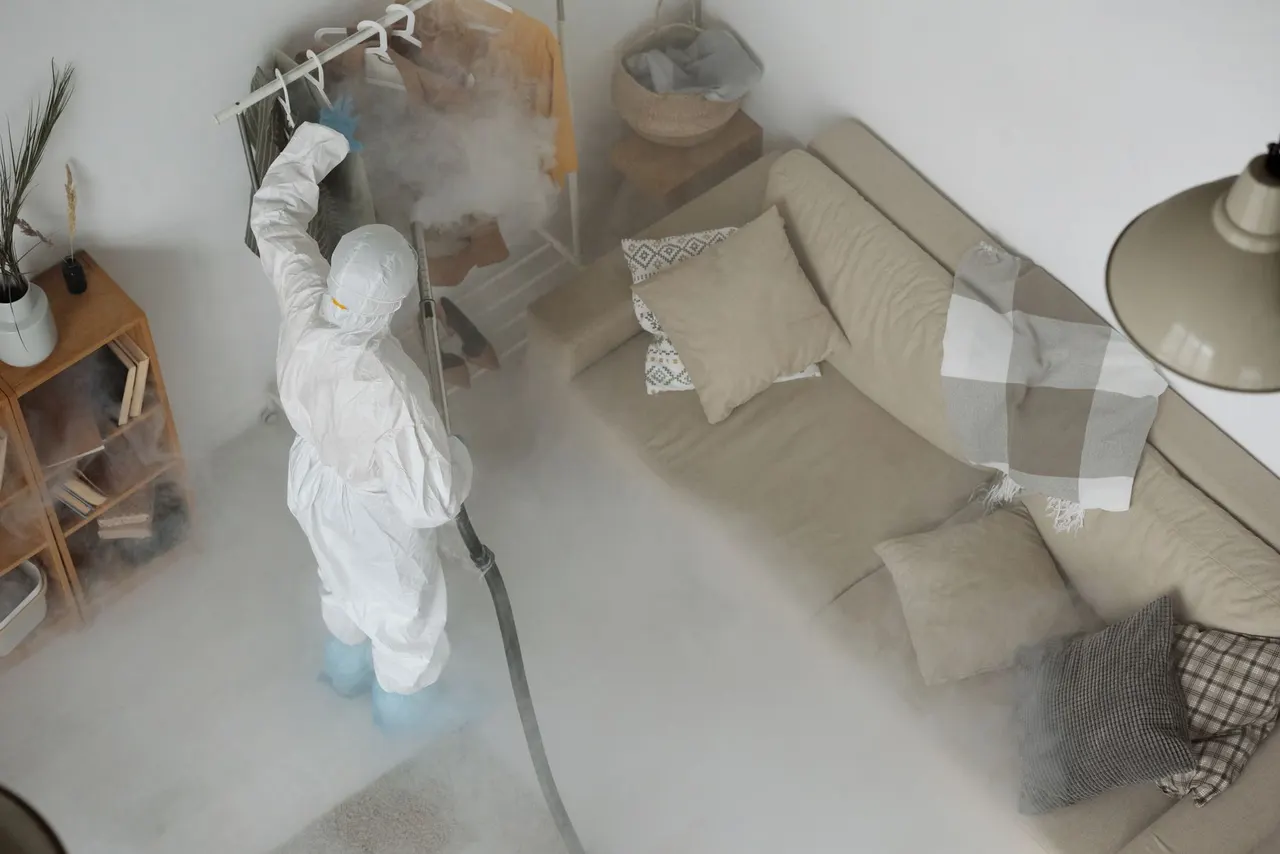
Before any removal begins, we seal the work zone with plastic sheeting and duct tape, then run a negative air machine with HEPA filtration. This keeps spores from migrating into the rest of your house while we work. Setup takes about 45 minutes on a typical residential system.
The blower, coil, drain pan, and accessible duct interiors get HEPA vacuumed and physically cleaned. Porous duct board that is too far gone comes out and gets replaced with mold-resistant drywall or new board. This is the longest phase, running four to eight hours depending on system size.
We apply an antimicrobial spray, then run a dehumidifier and air scrubber to bring the cabinet and ductwork back to dry standard. Products like Concrobium or Benefect are used where surfaces need residual protection. Drying usually takes 12 to 24 hours with our equipment in place.
We re-inspect, take post-remediation air samples, and confirm moisture levels are back to normal before we pull containment. You get the clearance documentation in writing. If anything reads high, we re-clean that section at no additional charge.
Lets us see inside duct runs and the plenum without cutting access holes. We use it to map where growth actually is before we scope the removal work.
Finds temperature differences that point to hidden moisture, like a slow coil leak or a wet section of duct board behind a wall.
Reads moisture content in duct board, framing, and cabinet insulation. Anything above 16 percent is an active mold risk and gets treated.
Maintains negative pressure inside containment so spores cannot escape into the rest of the house while we work.
Continuously filters airborne spores inside the work zone. We run it from setup through final drying.
Pulls moisture out of the cabinet and ductwork after cleaning. We run Dri-Eaz and Phoenix Restoration units sized to the system volume.
Applies antimicrobial spray to duct interiors and hard-to-reach surfaces. This is how we treat areas a brush cannot physically reach.
The industry standard for how mold remediation is scoped, contained, and verified. We follow it on every job, which is what makes our clearance documentation credible to insurers and inspectors.
Spores get physically removed with HEPA vacuum equipment and hand cleaning before any chemical treatment. Spraying over active growth without removing it just seals the problem in place.
After cleaning, we apply a residual antimicrobial to surfaces inside the air handler and duct runs. These products are EPA-registered and safe for occupied homes once dry.
We seal the work zone with 6-mil plastic sheeting and duct tape, then maintain negative pressure. This is the step that keeps the rest of your house out of the contamination path.
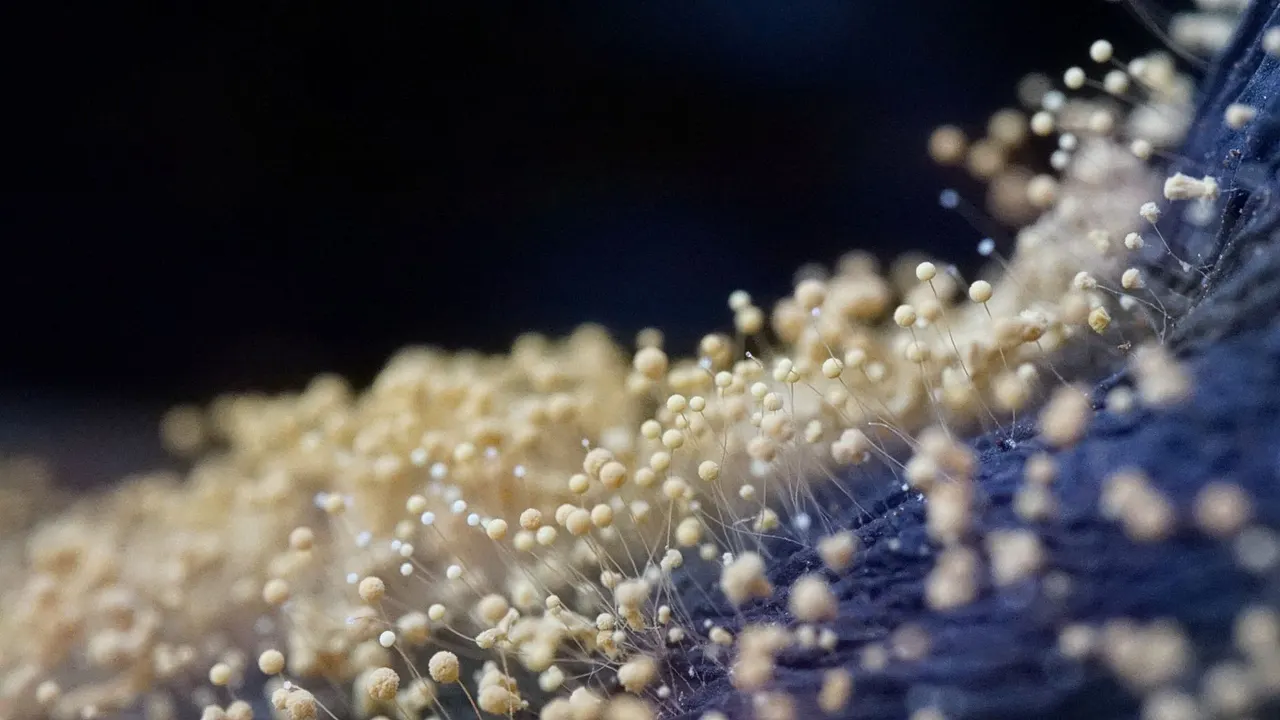
We inspect the air handler and drain pan first, since a clogged line during a vacant stretch is the most common cause. Containment goes up, the coil and cabinet get cleaned, and we dry the system before restarting it. The house smells normal again within a day of clearance, and you have documentation showing the system is clean.
We give you a second opinion with actual testing. Many coils can be cleaned and treated rather than replaced. If replacement is genuinely the right call, we tell you that too and document why. You either save thousands on a replacement or move forward with confidence that the recommendation was correct.
We run a full remediation with clearance testing and provide written documentation the buyer's agent can review. The report shows before and after air sample results, not just a receipt. The transaction moves forward with a clean inspection report and a documented remediation history for the file.
We treat it as an emergency, set containment, and pull moisture out of the cabinet and ductwork with dehumidifiers and air scrubbers. Contaminated duct board gets removed and replaced. The system is dry, treated, and verified clean before you run it again, which prevents a much larger mold problem down the road.
Fort Pierce humidity runs high most of the year, and that is the single biggest factor in how often we see HVAC mold. Air handlers in attics hit 130 degrees in summer, then cool down fast when the system runs, and that temperature swing condenses moisture on the coil and cabinet surfaces. Homes in older neighborhoods like Lincoln Park and River Park often have fiberglass duct board that has been wet at some point and never fully dried. Beachside properties on Hutchinson Island deal with salt air and higher ambient humidity, which accelerates growth on any damp surface. We also see a lot of oversized systems that short-cycle and never pull enough moisture out of the air. If you have been searching for air conditioner mold removal Fort Pierce and getting generic advice, the local reality is that moisture control matters as much as the cleaning itself. Our remediation scopes account for that, and we always check the drain line, pan slope, and return air source before we call a job done.
Older homes with original duct systems and fiberglass board. We see more duct board replacement here than anywhere else in the city.
Beachside condos with rooftop or closet-mounted air handlers. Salt air and high ambient humidity make coil cleaning a more frequent need.
Larger lots with detached garages and longer duct runs. Return plenums pulling from hot garages are a common moisture source.
Historic buildings with retrofitted HVAC systems. Tight chases and limited access make boroscope inspection essential before any removal.
Keeps coils and drain pans wet between cooling cycles, which is the ideal environment for mold growth. Dehumidification is often part of our remediation scope.
Accelerates condensation on cool surfaces when the system starts. We check cabinet insulation and plenum seals on every attic job.
Holds moisture long after surfaces dry and is hard to clean fully. Replacement with new board or mold-resistant drywall is often the right call.
Corrodes drain pans and coil fins, creating pitting where mold colonizes. Beachside jobs get a closer inspection of metal components.
A 1990s home with visible dark growth on the evaporator coil and a musty smell in the hallway. Moisture meter read 22 percent on the cabinet insulation. The drain pan had standing water from a partially clogged line.
Coil and cabinet cleaned, drain line cleared, antimicrobial applied, and the system dried to 11 percent moisture content. Post-remediation air samples came back at normal background levels. Total job time was two days.
Maintenance: We recommended a quarterly drain line flush and a thermostat setting that keeps the fan running briefly after the compressor stops, which helps dry the coil between cycles.
A single-family home with a return plenum pulling air from a hot garage. The duct board in two runs was saturated and growing mold. Family reported allergy symptoms that flared whenever the AC ran.
Contaminated duct board removed and replaced with new board. All accessible runs HEPA vacuumed and fogged with antimicrobial. Clearance testing confirmed normal spore levels. Job took three days including drying.
Maintenance: We sealed the return plenum to stop garage air from entering the system and recommended a dehumidifier for the garage to reduce the moisture load.
A Hutchinson Island South condo with a closet-mounted air handler. Salt air had corroded the drain pan and mold was growing on the pan and blower housing. The unit had been running wet for months.
Pan and blower housing cleaned, corroded pan replaced, and the cabinet treated with antimicrobial. Air samples cleared on the first post-remediation test. Job completed in one day plus overnight drying.
Maintenance: We set up a monthly visual check of the pan and a seasonal coil cleaning schedule, since beachside units need more frequent attention than inland systems.
Most HVAC mold calls start with a smell or a symptom, not a visible stain. Here are the issues we run into most often and what happens if they are ignored.
That smell is spores and microbial volatile compounds entering your living space every cooling cycle. It worsens over time and can trigger asthma and allergy symptoms in sensitive family members. We locate the colony with a boroscope inspection camera, contain the air handler, and clean the coil, drain pan, and plenum. Antimicrobial treatment follows, then verification sampling confirms the air is clear.
Visible growth means the colony has been active long enough to spread into the blower and ductwork. Cleaning just the visible surface leaves the source untouched and the growth returns within weeks. We scope the full air path, clean every contaminated surface, and replace duct board that is too saturated to save. The system gets treated and dried to dry standard before we pull containment.
Standing water in the drain pan is a mold incubator. It overflows into the cabinet and ductwork, and the moisture keeps feeding growth even after the clog is cleared. We clear the drain line, clean and treat the pan, and dry the cabinet with a dehumidifier. We also check the pan slope and trap to reduce the chance of it happening again.
If symptoms track with your cooling cycles, the air handler is almost certainly the source. Running the system spreads the contamination further into bedrooms and living areas. We test the air, confirm the source, and remediate the HVAC system as a contained project. Most customers report symptom relief within a few days of clearance.
$850 - $3,200 depending on scope
Typical 2026 pricing for HVAC mold remediation in Fort Pierce runs $850 to $3,200, with most residential jobs landing near $1,600. A single air handler with light coil growth sits at the low end. Full duct system replacement with new duct board and multiple supply runs pushes toward the top. Attic access, system size, and how far the growth has spread drive the number more than anything else. We give you a written scope with the price before work starts, and we do not add charges mid-job.
The cost of remediation is a fraction of what a new air handler or duct system runs. Cleaning and treating the existing system protects the equipment you already own and stops the contamination from spreading into the living space.
A single-zone residential air handler is a smaller job than a multi-zone system or a commercial rooftop unit. More components means more cleaning time and more containment setup.
If the duct board is saturated and growing mold, it has to come out and get replaced. That adds material and labor cost. Cleanable metal ductwork keeps the price lower.
Attic air handlers in Fort Pierce summer heat slow the work down. Closet-mounted units are faster. Tight chases in historic downtown buildings add time for careful containment.
Growth limited to the coil and pan is a smaller scope than growth that has spread into the plenum and multiple duct runs. Air sampling tells us how far it has gone.
Most jobs dry in 12 to 24 hours. Systems that have been wet for months can take longer, which adds equipment rental days to the total.
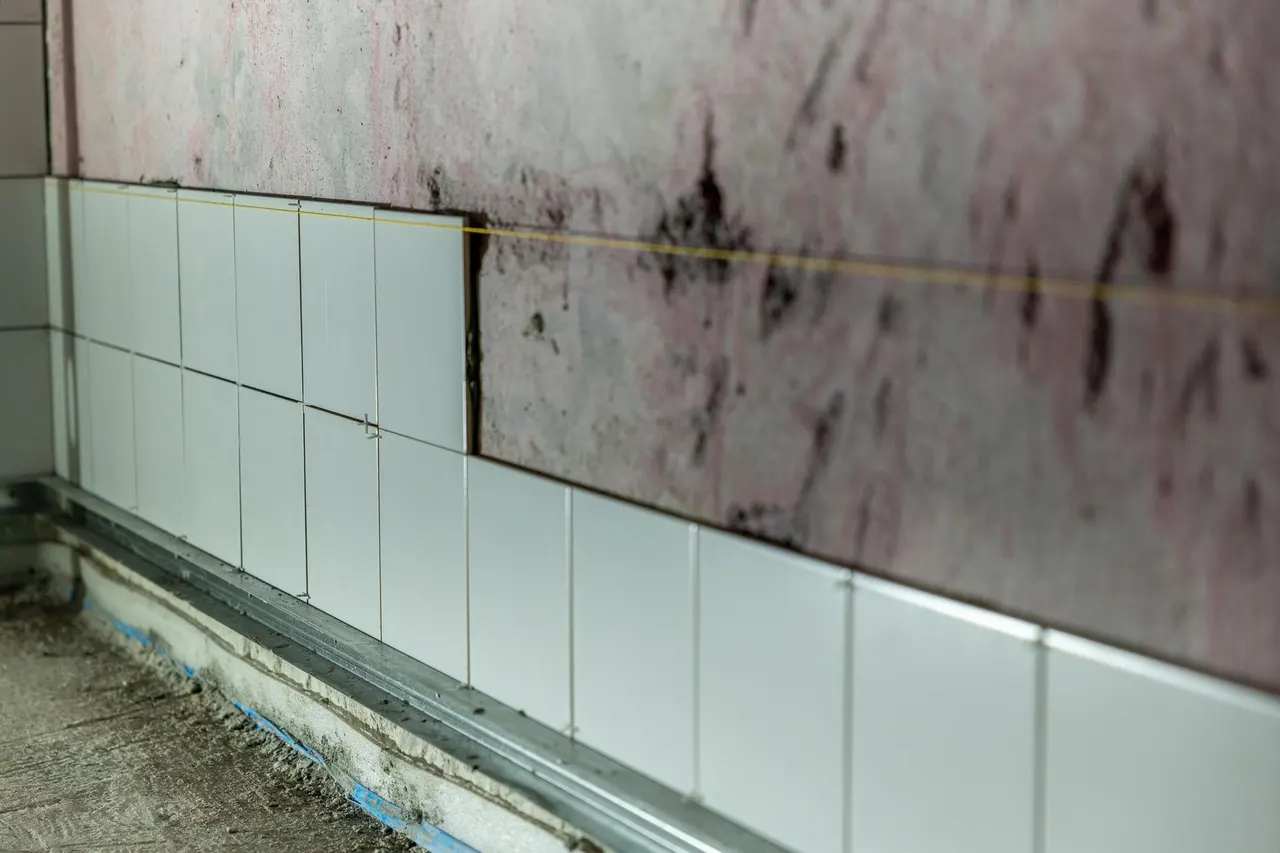
Our technicians hold IICRC Water Restoration Technician (WRT) and Applied Microbial Remediation Technician (AMRT) credentials, and we operate under a Florida Mold-Related Services License (MRSA). That matters because HVAC mold work sits at the intersection of restoration and mechanical systems. We know how to clean a coil without damaging the fins, and we know when a duct run needs replacement rather than treatment. We also carry EPA Lead-Safe Certification and OSHA 10 training, which keeps older Fort Pierce homes and our own crew protected. Every job is documented to the IICRC S520 standard for mold remediation.
Our air handler had been growing mold for at least a year and we did not know it. The smell in the hallway was the giveaway. CoveGuard set up containment, cleaned the coil and the whole plenum, and showed me the before and after air samples. Two days total. The musty smell is gone and my allergies have settled down noticeably.
We had three units in a beachside building with mold in the air handlers from the humidity. They worked around our tenants, kept the noise down, and finished all three in under a week. The clearance reports were thorough enough that our insurance adjuster approved the claim without pushback. That alone was worth the call.
I called after finding black mold in air conditioner vents in our master bedroom. They came out the next morning, confirmed it with a moisture meter and a camera scope, and gave me a written price on the spot. No upsell, no pressure. The duct board in one run had to be replaced and they handled it cleanly.
Most residential HVAC mold remediation in Fort Pierce runs $850 to $3,200, with the average job landing near $1,600. A single air handler with light coil growth sits at the low end. Full duct system replacement with new duct board and multiple supply runs pushes toward the top. Attic access, system size, and how far the growth has spread are the biggest cost drivers. We give you a written scope with the price before any work starts.
The three reliable signs are a musty odor from the vents when the system starts, visible dark speckling on the air handler cabinet or drain pan, and allergy symptoms that flare only when the AC runs. A moisture meter reading above 16 percent on duct board or cabinet insulation confirms active dampness. If you see black mold in air conditioner Fort Pierce Florida units, stop running the system and get it inspected before spores spread further.
We do, and we cover the whole city plus St. Lucie County. Our crews work out of Fort Pierce and handle everything from single-family homes in Garden City to commercial rooftop units in the Marina District. Call (772) 477-0320 and we will schedule an inspection, usually within 24 to 48 hours. Same-day slots open up when we have a cancellation.
A typical residential air handler and duct cleaning takes one to two days from containment to clearance. Removal and cleaning run four to eight hours on day one. Drying and treatment continue overnight with our dehumidifier and air scrubber running. Verification sampling happens on day two. Larger commercial systems or jobs requiring duct board replacement can stretch to three or four days.
Not seeing your question? Our local team can help you understand urgency, scheduling and what to expect.
Ask the local team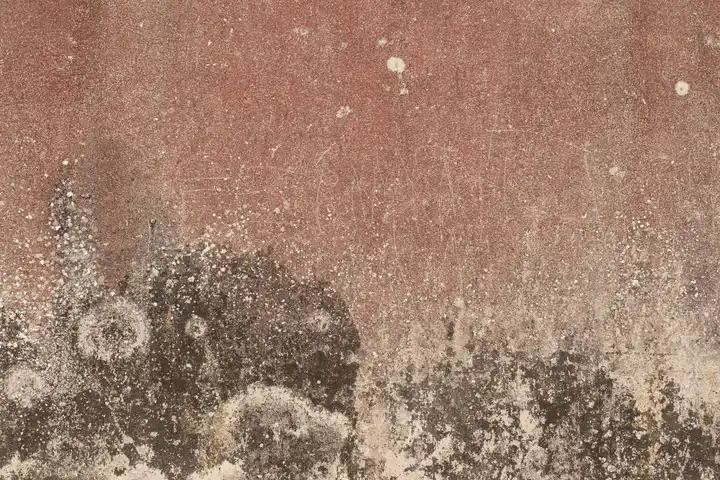
When the colony has moved past the air handler into walls or ceilings, full black mold remediation is the next step. We scope both together so the HVAC source and the secondary growth get handled in one containment setup.
View service
Air sampling and surface testing confirm what is growing and where. We run inspection and testing before HVAC mold remediation Fort Pierce projects so the scope is based on lab results, not guesswork.
View service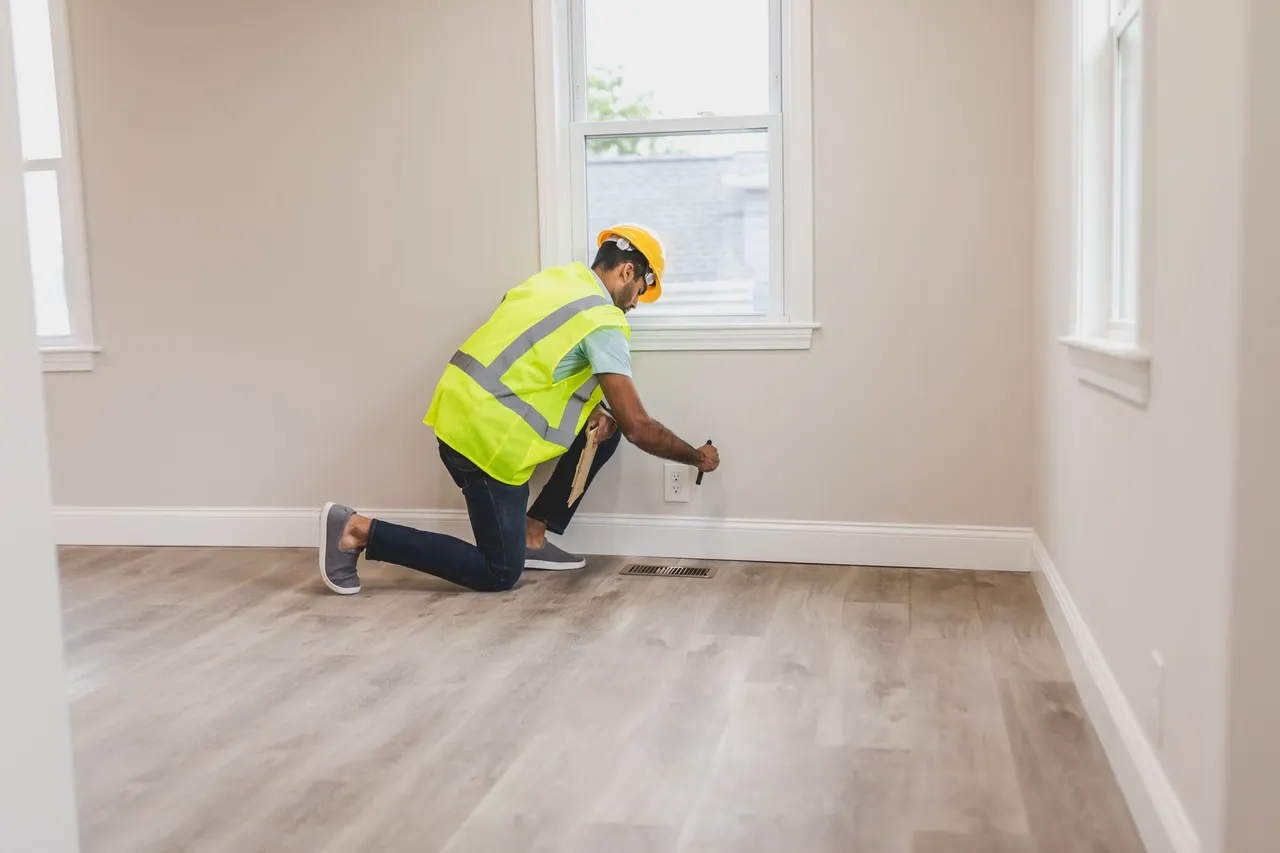
General mold removal and cleanup covers the surfaces around the system, including ceiling tiles, insulation, and nearby framing. It pairs with HVAC work whenever a slow coil leak has stained the surrounding structure.
View service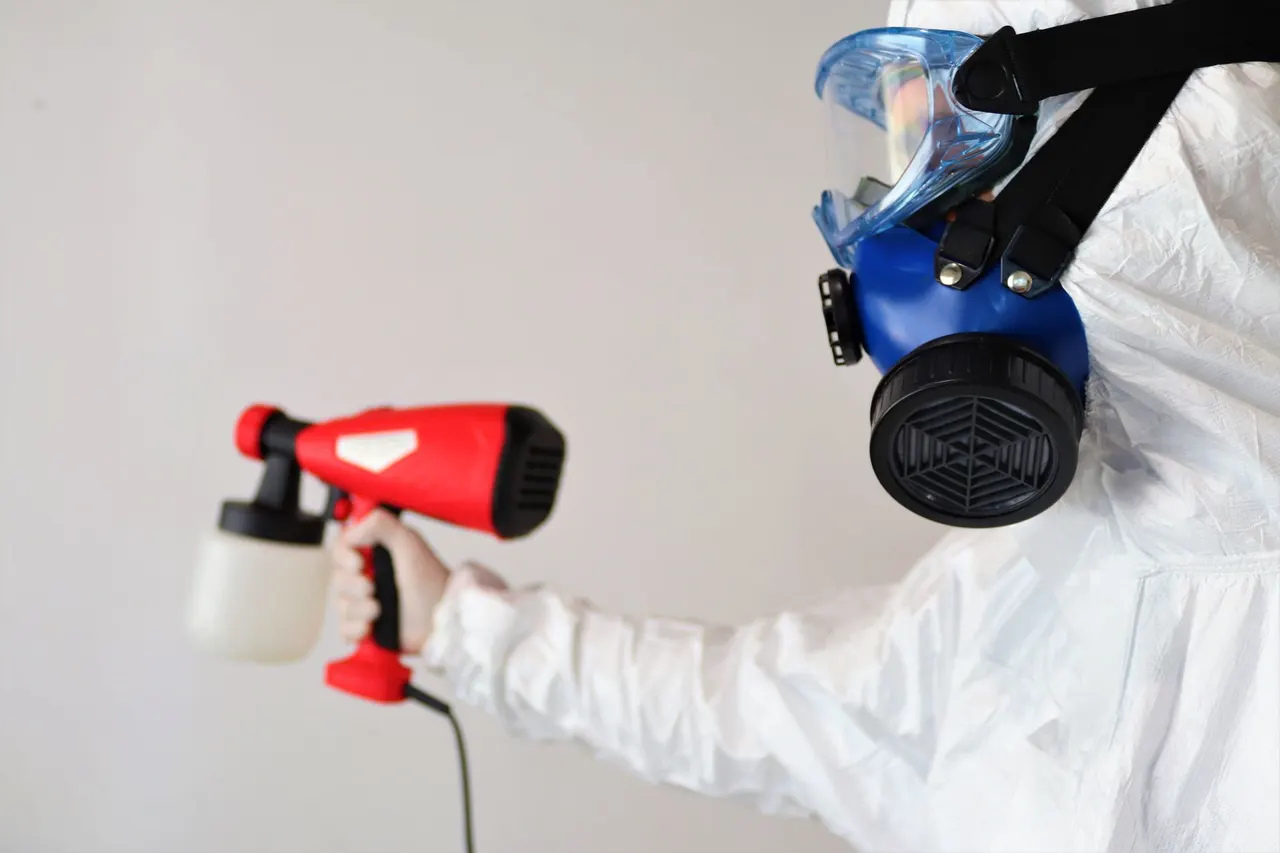
When a supply line bursts or a storm pushes water into the return plenum, emergency mold remediation stops the spread fast. We mobilize the same containment and drying gear used on scheduled HVAC jobs.
View service
Call (772) 477-0320 any time, day or night. We answer live and dispatch same-day for mold inspections and emergency remediation across Fort Pierce. If you prefer email, send photos and your address to [email protected] and we will follow up within one business hour.