Focused arrival windows
Useful updates and clear arrival timing.
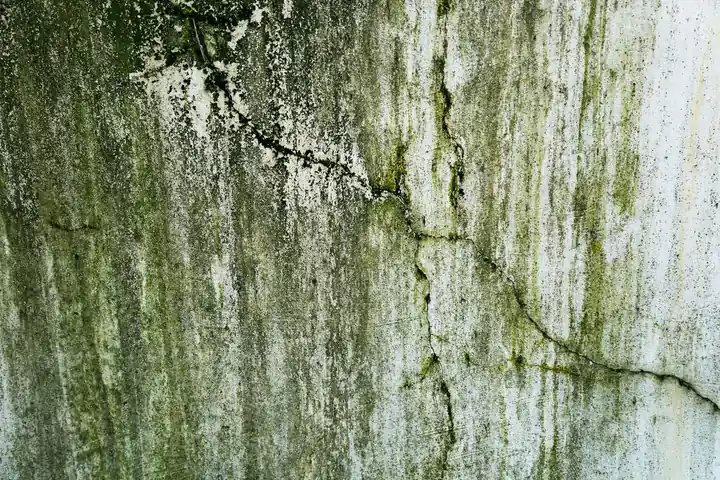
Black Mold Remediation in Portofino Shores means pulling mold out of a condo wall before it reaches the next unit, and that is the work we do here every week. Salt air, waterfront humidity, and flood-prone blocks along Portofino Drive keep moisture in the walls. We test, contain, remove, and verify. Call (772) 477-0320.
Useful updates and clear arrival timing.
Review the approach and price before deciding.
Equipped vehicles and respectful cleanup.
Neighbors serving neighbors with follow-through.
Black Mold Remediation in Portofino Shores is the process of containing, removing, and verifying mold growth inside homes and buildings in this waterfront Fort Pierce community. We are CoveGuard Mold Solutions, and our crews work Portofino Shores Main, Portofino Drive, and Shores Way on a weekly basis. Salt air off the Fort Pierce Inlet keeps outdoor humidity high, and that moisture pushes into walls, attics, and HVAC closets. We see it in condo buildings with shared air handlers, in single-family homes near Portofino Shores Park, and in rentals that sit empty through the summer. Our technicians carry IICRC AMRT and WRT credentials and use moisture meters, thermal imaging cameras, and boroscope inspection cameras to find growth behind drywall before it spreads. If you need Black Mold Remediation near Portofino Shores, we handle the inspection, the removal, and the clearance testing under one roof. We also serve the surrounding St. Lucie County area, including ZIP codes 34949, 34947, and 34982.
Mold work in Portofino Shores is not the same as mold work inland. Waterfront humidity, salt air, and flood-prone blocks change how we scope every job. If you have been searching for Black Mold Remediation in Portofino Shores FL near me, this is the full list of what we bring to your door, from inspection through clearance testing.
Full remediation for Portofino Shores homes and condos. We contain the work area with plastic sheeting and duct tape, run a negative air machine with HEPA filters, and remove affected material. Every job ends with an antimicrobial spray and a post-remediation verification pass.
View service →02We inspect Portofino Shores Main, Portofino Drive, and Shores Way with moisture meters, thermal imaging cameras, and a boroscope inspection camera to find hidden mold behind drywall. Air and surface samples confirm what is growing and how far it has spread.
View service →03Physical removal of mold-damaged drywall, insulation, and trim in Portofino Shores homes. We bag debris inside the containment, HEPA vacuum surfaces, and wipe down framing before any rebuild starts. Odor removal and air purification run alongside the cleanup.
View service →04Storm surge and burst supply lines do not wait for business hours. We run 24/7 emergency calls across Portofino Shores, including condo buildings near the Fort Pierce Inlet. Crews arrive with air scrubbers, dehumidifiers, and extraction gear to stop the spread.
View service →05Single-family homes on Shores Way and Portofino Drive get the same protocol as condos, sized to the house. We isolate the work area, remove affected material, treat framing with Concrobium or Benefect, and verify clearance before we pack up.
View service →06Property managers in Portofino Shores call us for shared HVAC closets, common hallways, and rental units. We schedule around tenant needs, document every step for the building file, and coordinate with your insurance adjuster if a claim is open.
View service →07Attics in Portofino Shores bake in summer and pull in humid air at night. That cycle grows mold on roof sheathing fast. We inspect with a thermal imaging camera, treat the decking, and add ventilation or a vapor barrier to stop it from returning.
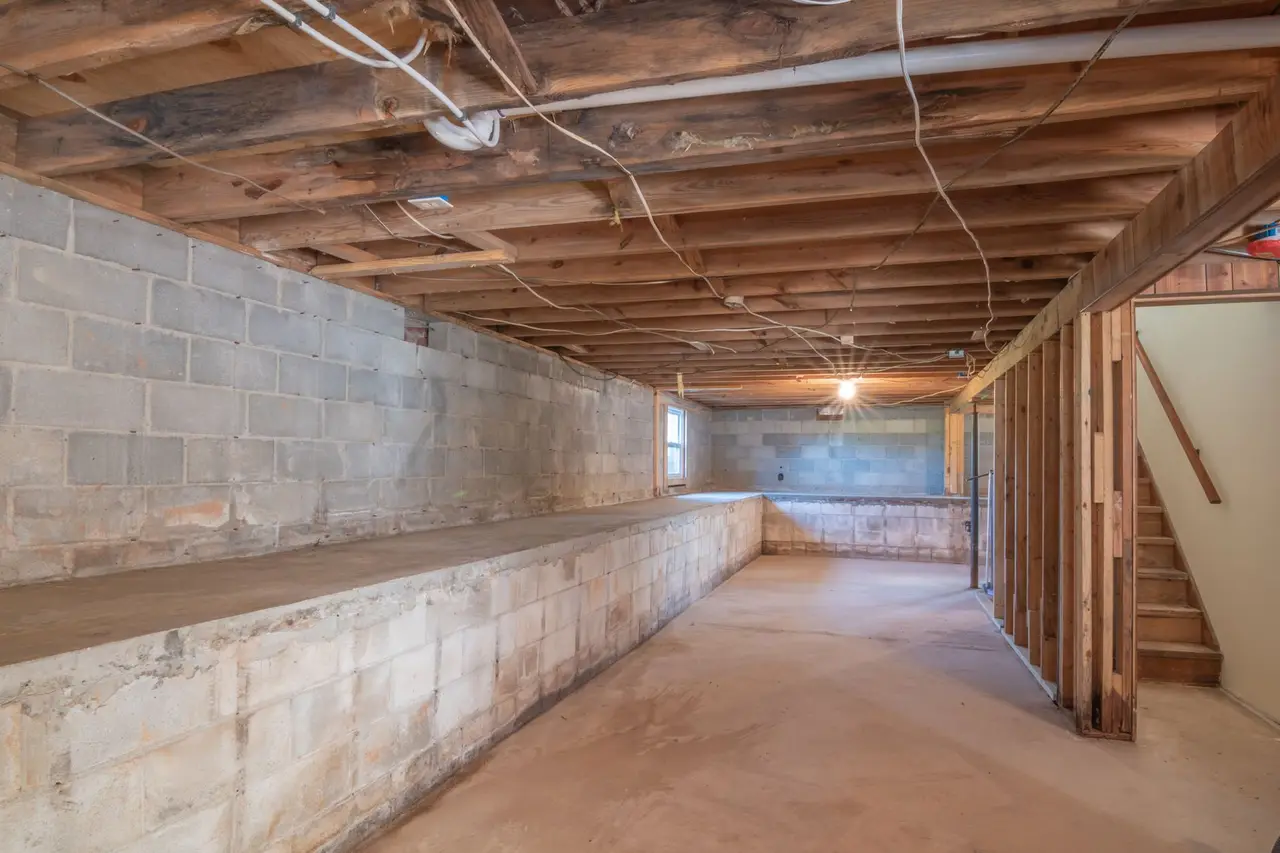
View service →08Where Portofino Shores homes have below-grade space, groundwater and storm surge push moisture through block walls. We dry the space, remove affected material, treat the concrete, and install a vapor barrier or encapsulation system to keep it dry.
View service →09Crawl spaces under Portofino Shores homes stay damp year-round. We remove fallen insulation, HEPA vacuum the joists, treat with ShockWave or Fiberlock, and install a sealed vapor barrier so ground moisture stops feeding the house above.
View service →Every Portofino Shores job starts with a moisture meter and a thermal imaging camera walk-through. We map wet zones before we cut anything, because in condo buildings near the Fort Pierce Inlet the wet wall is often not the wall with the visible mold. Containment goes up with plastic sheeting and duct tape, and a negative air machine with HEPA filters keeps spores out of the rest of the unit. We remove affected drywall, insulation, and trim, HEPA vacuum the cavity, and treat framing with an antimicrobial spray. If you need same-day mold cleanup in Portofino Shores, call before noon and we can usually have a crew on site the same day. Parking and access matter here: several Portofino Drive buildings have loading zones that fill up, so we coordinate with the property manager before we stage equipment. Florida MRSA-licensed work, IICRC AMRT and WRT protocols, and clearance testing at the end.
Portofino Shores sits close to the inlet, so outdoor humidity stays high most of the year. Walls and attics absorb that moisture, and mold can start growing within 24 to 48 hours of a leak. We run dehumidifiers during and after remediation, and we check indoor moisture with a meter before we close any wall. For crawl spaces and closed rooms, we size a Dri-Eaz or Phoenix Restoration unit to hold the space dry year-round.
One wet air handler in a Portofino Shores condo building can push mold spores into several units through the ductwork. Odors show up in units that never had a leak of their own. We inspect the air handler, drain pan, and duct runs with a boroscope inspection camera, clean the coil and ducts, and apply antimicrobial treatment. We also check that the unit is not pulling humid outdoor air into the return.
Storm surge and heavy rain push water into low blocks around Portofino Shores Main and Portofino Drive. Once water gets under flooring or into a crawl space, mold follows fast. We extract standing water, dry the structure with air movers and dehumidifiers, and document moisture readings daily. If the crawl space floods repeatedly, we install a vapor barrier and a sump pump so the next storm drains instead of soaking in.
Florida requires a state license to perform mold assessment or remediation for compensation. We hold the MRSA credential, so the work and the clearance documentation stand up if a buyer, lender, or adjuster asks for it.
This is the industry standard we build every Portofino Shores scope around. It sets containment, removal, and verification requirements that keep the job defensible and the clearance testing meaningful.
Bathroom and kitchen exhaust must vent outside, and crawl spaces need proper moisture control. When we rebuild after remediation in Portofino Shores, we correct venting issues so the same wall does not grow mold again.
Portofino Shores has a specific set of conditions that drive mold: waterfront humidity, salt air, flood-prone blocks, and condo buildings with shared HVAC. Those factors show up in the same handful of problems over and over. Here is what we see most and how we handle it.
Condo buildings in Portofino Shores often run shared air handlers. When the coil or drain pan stays wet, mold grows and the ductwork pushes spores into every connected unit. Salt air and high outdoor humidity keep the system wet longer. We inspect the air handler with a boroscope inspection camera, clean the coil, pan, and ducts, and apply antimicrobial treatment. We also check that the return is not pulling humid outdoor air, which is what restarts the problem.
Ground moisture rises into crawl spaces year-round in this coastal climate. Without a vapor barrier, floor joists and insulation stay damp and grow mold. Homes on Shores Way and Portofino Drive see this most. We remove fallen insulation, HEPA vacuum the joists, treat with ShockWave or Fiberlock, and install a sealed vapor barrier with a dehumidifier. That combination holds the space dry through the summer.
A slow supply line or drain leak inside a wall can run for weeks before anyone notices. By the time a stain shows, the cavity is already colonized. Portofino Shores condos with plumbing in shared walls are especially prone. We use a moisture meter and thermal imaging camera to map the wet zone before we cut. Then we open the wall, treat the framing, and rebuild with mold-resistant drywall so the repair lasts.
Flood-prone blocks near the water take on water during heavy rain and storm surge. If the structure is not dried within 48 hours, mold starts. Ground-floor units around Portofino Shores Main see this most often. We extract standing water, set air movers and dehumidifiers, and document moisture readings daily until the assembly is dry. Then we remediate any mold that started and rebuild the affected materials.
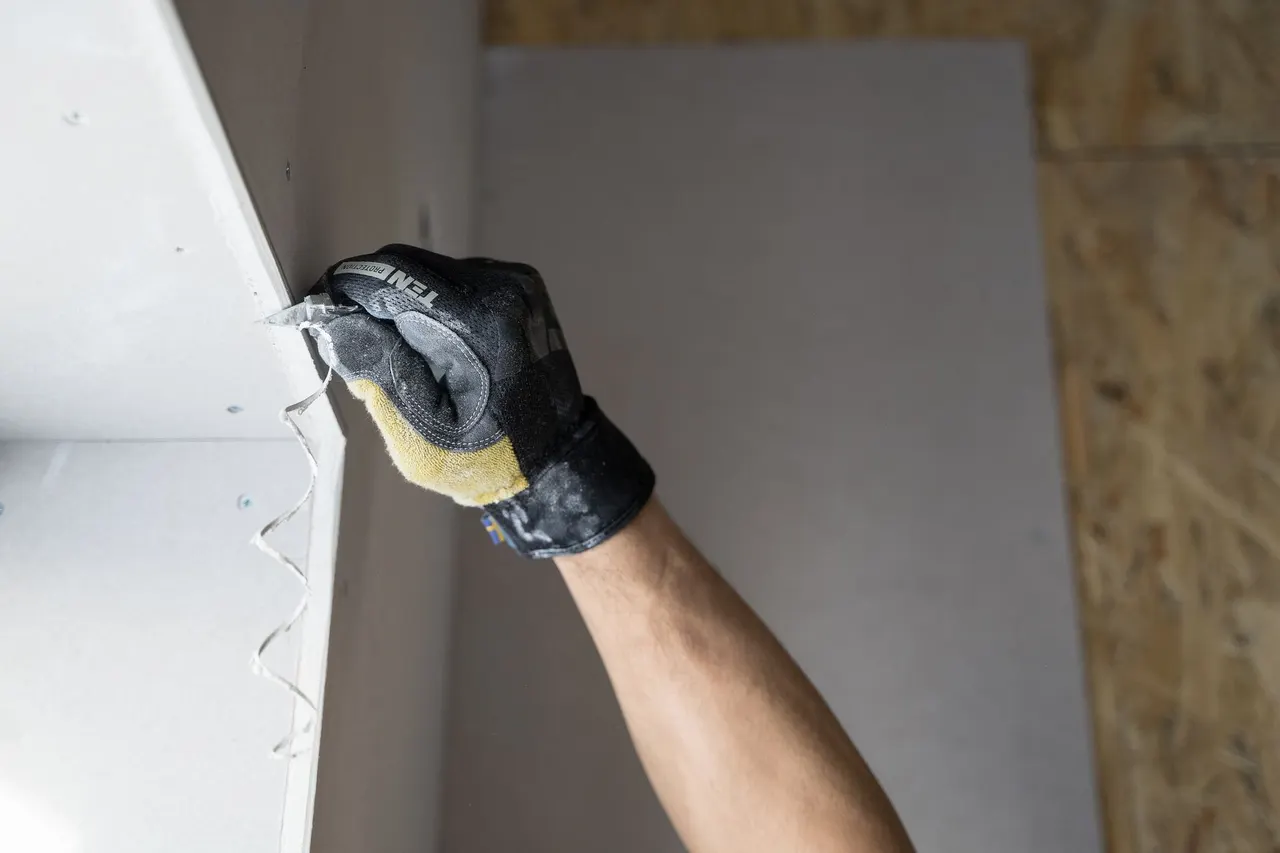
Typical 2026 pricing for Black Mold Remediation in Portofino Shores runs from about $1,200 for a small contained area to $6,500 or more for a full condo or whole-home job with crawl space work. A standard single-room remediation with containment, removal, and antimicrobial treatment usually lands between $1,800 and $3,200. Crawl space encapsulation with a vapor barrier and dehumidifier adds $2,500 to $5,000 depending on square footage. If you are comparing quotes for affordable mold removal in Portofino Shores, ask what is included in the clearance testing, because that is where cheap bids usually cut corners.
A single bathroom wall in a Portofino Shores condo is a different job than a whole crawl space. Square footage of affected material drives most of the cost, along with how much drywall and insulation has to come out.
When a moisture meter and thermal imaging camera show mold inside a wall cavity, the scope grows. We have to open the wall, treat the framing, and rebuild, which adds labor and material to the job.
Crawl spaces and attics in Portofino Shores are tight, hot, and often need a vapor barrier or dehumidifier on top of remediation. Access difficulty and equipment needs push the price up compared to a standard room.
Portofino Shores is a compact waterfront community, and the landmarks here are how we give directions to crews and confirm we are at the right building. The Fort Pierce Inlet is the main orientation point on the east side. Portofino Shores Park and the Portofino Shores Community Center anchor the interior streets. When a property manager gives us a gate code or a loading zone, we cross-check it against the nearest landmark before we roll.
The inlet is the main geographic reference on the east side of Portofino Shores. We use it to orient crews coming in from Fort Pierce and to confirm which waterfront buildings we are heading to.
The park sits in the interior of the community and is a useful landmark for routing to the residential streets around it. Crews use it to confirm they are on the correct side of the neighborhood.
The community center is a central meeting point and a reliable landmark for directing crews to nearby blocks. Property managers often use it as the reference point when giving us access instructions.
A small cluster of service and retail spaces serving the community. We handle commercial mold calls here for shared restrooms, back-of-house walls, and HVAC closets that stay damp in the coastal air.
The inlet area roads are how we reach the eastern waterfront buildings in Portofino Shores. We plan around bridge and seasonal traffic when scheduling morning arrivals.
We work Portofino Shores block by block, and the mold problems change with the building type. Condo towers near the water deal with shared HVAC and salt air. Single-family streets deal with crawl space moisture and roof leaks. Here is how we cover the area.
The core of the community, with a mix of condo buildings and single-family homes. Shared air handlers and waterfront humidity make HVAC mold contamination the most common call here. We also see musty odors in units that sit empty through the summer. Our crews run this route weekly, so response is typically same-day.
Lining the drive are buildings close to the water, where salt air and storm-driven rain push moisture into exterior walls. Hidden mold behind drywall is common after a wet season, and crawl space moisture shows up in the older homes along the street. Close to the Fort Pierce Inlet, so we can stage equipment and start work fast.
Mostly single-family homes with attics and crawl spaces. Summer heat and nightly humidity cycles grow mold on roof sheathing, and below-grade spaces stay damp without a vapor barrier. We handle both in one visit when the schedule allows. A short run from our Portofino Shores Main staging point, usually under 30 minutes.
The blocks around the community center include rentals and seasonal homes that sit closed for months. When the AC is off, indoor humidity climbs and mold takes hold on furniture, drywall, and carpet. We inspect these units before the season starts. We route through this area on the same loop as Portofino Shores Park.
These are jobs we ran in Portofino Shores over the past year. They show what the work actually looks like here: shared HVAC problems in condo buildings, crawl space moisture in single-family homes, and storm-driven water damage near the water.
A condo building on Portofino Drive had musty odors in four units that shared one air handler. No unit had a visible leak. We inspected the shared HVAC closet with a boroscope inspection camera and found mold growth on the coil and drain pan. We contained the closet, cleaned the coil and duct runs, HEPA vacuumed the system, and applied Benefect antimicrobial treatment. Each affected unit got a surface wipe-down and air scrubber run. Clearance testing came back clean in all four units. The property manager added the closet to a quarterly moisture meter check.
A single-family home on Shores Way had a persistent musty smell in the living room. The homeowner had already replaced the carpet once. A moisture meter and thermal imaging camera traced the source to a crawl space with no vapor barrier. Ground moisture was feeding the floor assembly. We removed fallen insulation, HEPA vacuumed the joists, treated with ShockWave, and installed a sealed 12-mil vapor barrier with a Dri-Eaz dehumidifier. Indoor humidity dropped below 55 percent and stayed there. The homeowner has not replaced carpet since.
Storm-driven rain pushed water under the flooring of a ground-floor unit near Portofino Shores Main. Mold appeared on the baseboards within three days. We extracted standing water, set air movers and dehumidifiers, and documented moisture readings daily. Once the assembly was dry, we removed the affected baseboard and lower drywall, treated the framing, and rebuilt with mold-resistant drywall. The unit passed clearance testing on the first try, and the insurance claim was approved with our documentation.
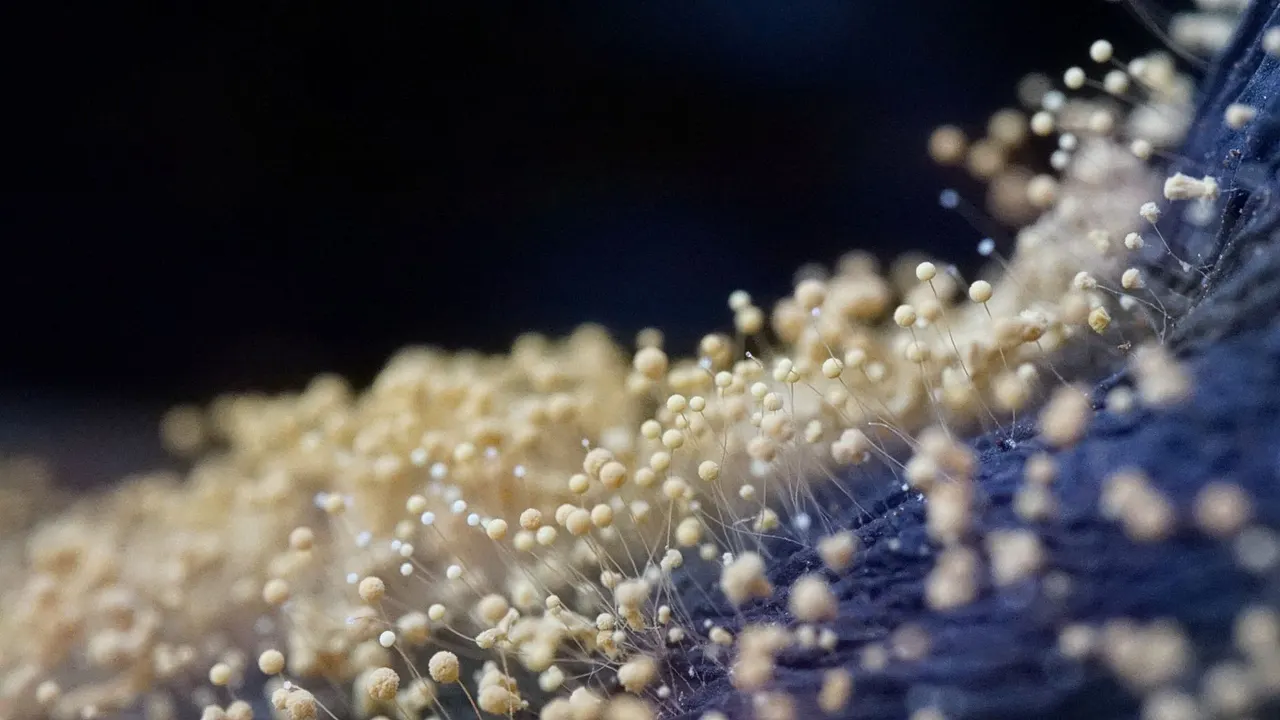
We had a musty smell in our condo for months and two other companies could not find it. CoveGuard brought in a thermal camera and traced it to the shared air handler. They cleaned the whole system and treated the unit. The smell is gone and the clearance test came back clean. They also walked me through the report so I understood what was fixed.
Our crawl space was a mess after last summer. CoveGuard removed the old insulation, treated the joists, and installed a vapor barrier and dehumidifier. They showed me the moisture readings before and after, which I appreciated. Six months later the space is still dry and the musty smell in the house is gone.
Storm water got under our flooring and mold showed up fast. They came out the same day I called, extracted the water, and set up drying equipment. The rebuild matched the existing wall finish so you cannot tell where they cut. They also handled the paperwork with our insurance adjuster, which saved us a lot of back and forth.
Mold in Portofino Shores does not take a season off, but the type of call changes through the year. Winter and spring bring wind-driven rain and closed-up houses. Summer brings heat and humidity. Fall brings the tail end of storm season. Here is what to expect and what to do about it.
Spring in Portofino Shores brings wind-driven rain and rising humidity. Roof leaks and window leaks show up, and closed-up seasonal homes start to smell musty. Crawl spaces that stayed damp through winter begin to grow mold as temperatures climb.
Summer is peak mold season here. Outdoor humidity stays high, AC systems run constantly, and condensate pans and drain lines stay wet. Attics bake during the day and pull in humid air at night, which grows mold on roof sheathing.
Fall brings the tail end of storm season and the first cool nights. Storm-driven water intrusion is the main risk, and homes that took on water in late summer often show mold now. Seasonal residents returning for the winter find musty units.
Winter is milder here, but it is not dry. Cool nights and closed-up houses trap moisture, and condensation on windows and exterior walls feeds mold in corners and closets. Snowbirds returning to Portofino Shores often find growth in units that sat closed.
Portofino Shores is one stop on a route that covers most of St. Lucie County. We run crews out of Fort Pierce and reach the surrounding communities on the same schedule, so a mold call in a neighboring area gets the same response standard as one here.
A short drive west of Portofino Shores. Many of our Portofino Shores customers own or manage property downtown, so we often run both stops on the same day.
Local coverage and details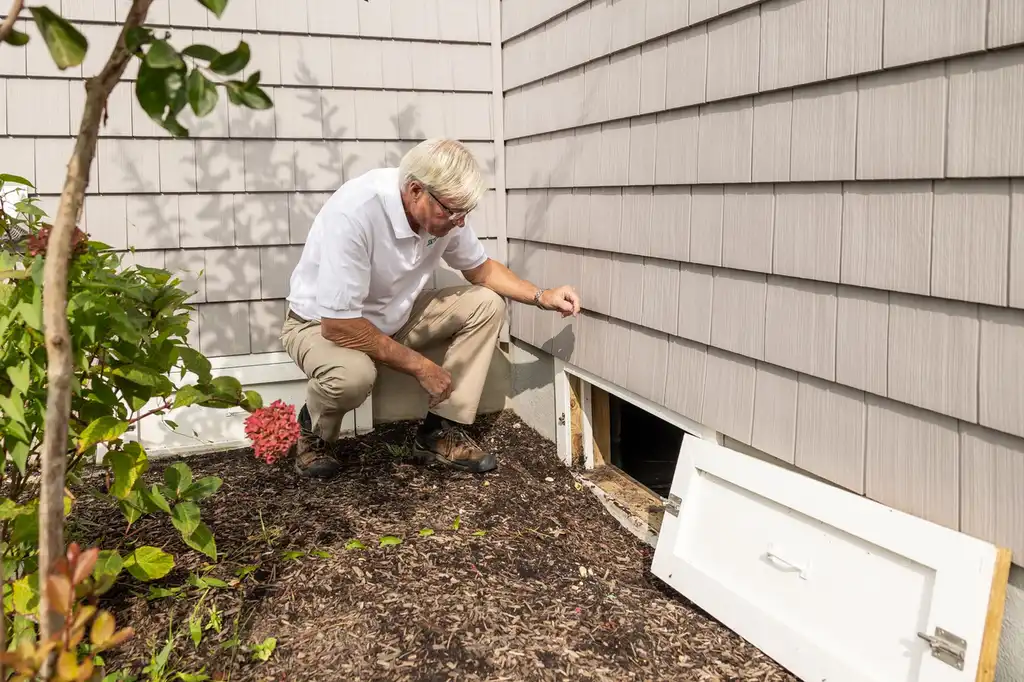
Just inland from Portofino Shores. Older housing stock there means more crawl space and roof leak calls, and we cover it on the same Fort Pierce route.
Local coverage and details
A short run from Portofino Shores. Commercial and mixed-use buildings there call us for HVAC and shared wall mold issues.
Local coverage and detailsSouth along the barrier island from Portofino Shores. Waterfront humidity and salt air drive the same mold problems we handle here.
Local coverage and detailsMold remediation in Portofino Shores is not a commodity, and the cheapest bid is often the one that leaves mold behind the wall. These are the questions that separate a contractor who will fix the problem from one who will patch it and move on.
Florida requires a Mold-Related Services License (MRSA) to perform mold assessment or remediation for pay. Ask for the license and a certificate of insurance. If a contractor cannot produce both, the work and the clearance report may not stand up later.
Clearance testing is how you know the mold is actually gone. A contractor who skips it is asking you to take their word for it. Ask who pays for the test and whether you get the lab report in writing.
Visible mold is only part of the problem. A good contractor uses a moisture meter, thermal imaging camera, and boroscope inspection camera to map the wet zone before cutting. If they only look at what you can see, they will miss the source.
Remediation stirs up spores. Plastic sheeting, duct tape, a negative air machine, and HEPA filters keep those spores out of the rest of your home. Ask how they contain the work area and whether they run air scrubbers during the job.
Mold claims in Portofino Shores get denied when the documentation is thin. Ask whether the contractor provides moisture readings, photos, and a scope of work, and whether they will talk to your adjuster directly. That paperwork is often the difference between approval and denial.
IICRC
IICRC
American Council for Accredited Certification
U.S. Environmental Protection Agency
Occupational Safety and Health Administration
$2M general liability and full workers compensation
Member
Member
Most Portofino Shores jobs run $1,200 to $6,500 in 2026, with a typical single-room remediation landing between $1,800 and $3,200. Crawl space encapsulation with a vapor barrier and dehumidifier adds $2,500 to $5,000. Hidden mold behind drywall, attic work, and shared HVAC systems push the number higher because the scope grows.
The right company is the one that holds a Florida MRSA license, uses IICRC AMRT and WRT protocols, and performs clearance testing at the end. We do all three, and we work Portofino Shores Main, Portofino Drive, and Shores Way weekly. Ask any contractor for the license, the insurance certificate, and a sample clearance report before you hire.
It often is when the mold traces back to a covered event like a burst supply line or storm intrusion. Florida policies typically exclude mold that resulted from long-term neglect or a slow leak you did not address. We document moisture readings, photos, and scope of work, and we talk to your adjuster directly to support the claim.
Yes. We run 24/7 emergency response across Portofino Shores, including condo buildings near the Fort Pierce Inlet. Call (772) 477-0320 and we will dispatch a crew with air scrubbers, dehumidifiers, and extraction gear. If you call before noon, we can usually have someone on site the same day.
A single-room job usually takes one to two days. A full condo or whole-home remediation with crawl space work runs three to five days, plus drying time. Clearance testing happens after the work is done, and results typically come back within 24 to 48 hours. We give you a timeline before we start.
Not seeing your question? Our local team can help you understand urgency, scheduling and what to expect.
Ask the local teamCall (772) 477-0320 any time, day or night. We answer live and dispatch same-day for mold inspections and emergency remediation across Fort Pierce. If you prefer email, send photos and your address to [email protected] and we will follow up within one business hour.