Focused arrival windows
Useful updates and clear arrival timing.
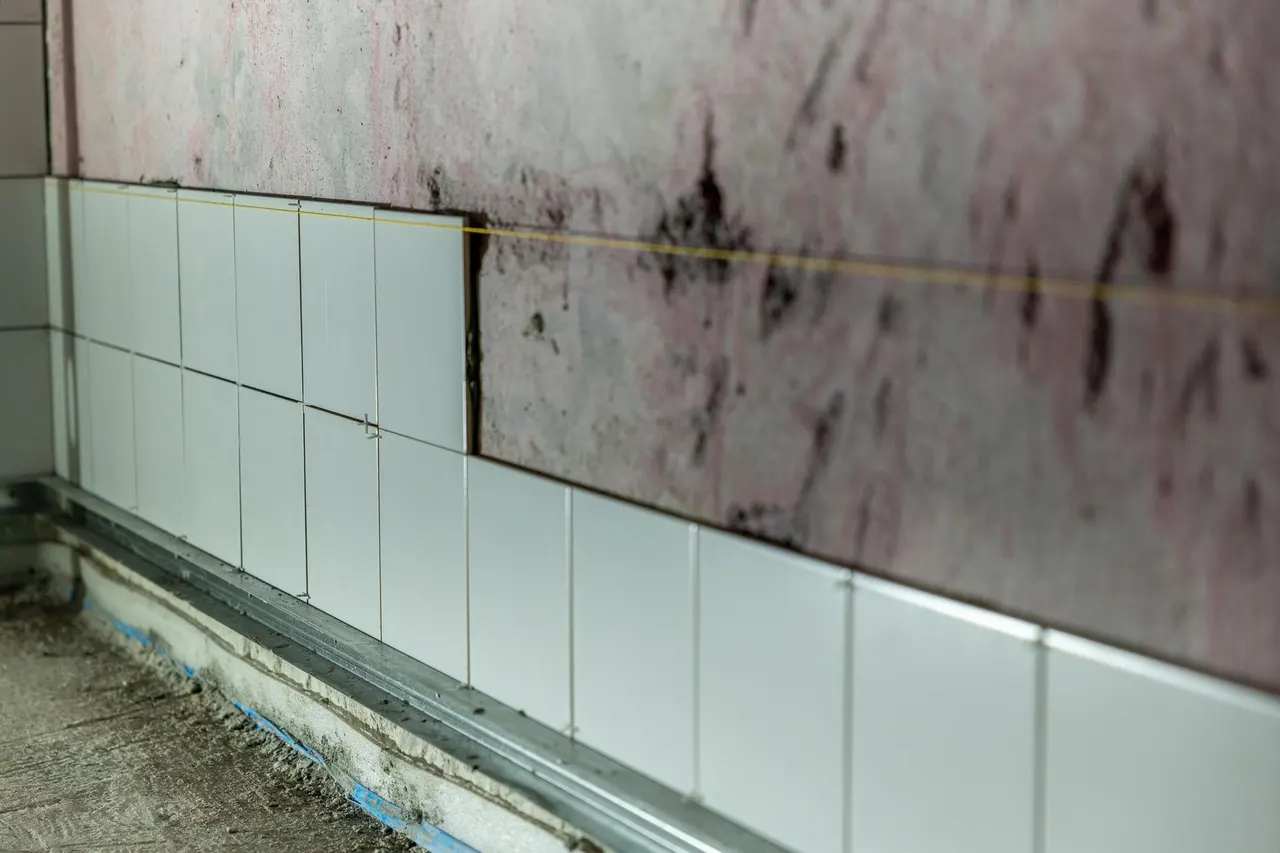
Black Mold Remediation in St. Lucie Village means stopping active growth fast, not just wiping a wall. We work the 34946 ZIP along Old Dixie Highway and Village Green, where riverfront humidity and older construction keep crawl spaces and wall cavities damp. Our IICRC AMRT-certified techs run moisture meters, thermal imaging cameras and air scrubbers to find hidden mold behind drywall and HVAC contamination before it spreads. Same-day mold cleanup in St. Lucie Village starts with one call.
Useful updates and clear arrival timing.
Review the approach and price before deciding.
Equipped vehicles and respectful cleanup.
Neighbors serving neighbors with follow-through.
Black Mold Remediation in St. Lucie Village is the work of drying out a village built on the water. The St. Lucie River sits at the edge of town, and that riverfront humidity pushes indoor moisture past 60% for months at a time. Historic homes along Old Dixie Highway and near St. Lucie Village Hall were framed before modern vapor barriers existed, so their crawl spaces and wall cavities hold damp air long after a storm passes. We run St. Lucie Village Black Mold Remediation as a full containment job: plastic sheeting and negative air machines seal the work zone, HEPA vacuums pull settled spores off surfaces, and an air scrubber keeps the rest of your house clean while we cut out contaminated drywall. If you have been searching for Black Mold Remediation near St. Lucie Village, our team treats every job like it is two streets over from our own shop. We test, we remove, we verify, and we do not leave until clearance passes.

St. Lucie Village mold jobs split into two buckets: historic homes with chronic crawl space moisture, and newer builds with HVAC or plumbing leaks. Both need the same thing first, a real inspection. If you have been typing Black Mold Remediation in St. Lucie Village FL near me into your phone at 2 a.m., call us. We answer, and we schedule same-day mold cleanup in St. Lucie Village whenever the job is active.
Full containment remediation for St. Lucie Village homes with confirmed black mold growth. We seal the zone with plastic sheeting, run a negative air machine, remove contaminated material, and treat framing with antimicrobial spray. Most village jobs finish in two to four days depending on how far the growth spread behind drywall.
View service →02We inspect St. Lucie Village properties with moisture meters, a thermal imaging camera and a boroscope inspection camera to find hidden mold behind drywall and inside wall cavities. Air and surface samples go to a third-party lab. Reports come back in 24 to 48 hours with a clear scope.
View service →03Physical removal of mold-damaged drywall, insulation and trim in St. Lucie Village homes, followed by HEPA vacuuming and antimicrobial treatment. We bag debris inside the containment zone so spores never travel through your living room. Crawl space and attic cleanup is the most common call here.
View service →04Storm surge, burst supply lines and AC pan overflows do not wait for business hours. Our emergency Black Mold Remediation St. Lucie Village crews roll 24/7 with air scrubbers and dehumidifiers to stop active growth before it spreads. We stabilize first, then schedule full removal.
View service →05Single-family homes, duplexes and the older riverfront houses near the St. Lucie River make up most of our St. Lucie Village residential work. We handle attic, crawl space, bathroom and kitchen mold in one coordinated job. Personal protective equipment and containment go up before any material comes down.
View service →06Small commercial buildings and rental properties in St. Lucie Village need mold work done without shutting down operations. We schedule off-hours remediation, use HEPA filters and air scrubbers to keep the space usable, and document everything for the property owner or manager. Fast turnaround, clean paperwork.
View service →07St. Lucie Village attics hit 130 degrees in summer, and that heat plus a small roof leak grows mold fast. We inspect decking with a moisture meter, remove contaminated insulation, treat framing with Concrobium or Benefect, and fix the ventilation that caused the problem. Most attic jobs finish in one day.
View service →08The few below-grade spaces in St. Lucie Village flood during heavy rain, and standing water turns into black mold growth within 48 hours. We pump, dry with Dri-Eaz dehumidifiers, remove affected drywall, and treat concrete with antimicrobial spray. Sump pump checks are part of the job.
View service →09Crawl space moisture is the number one mold source in St. Lucie Village's older homes. We crawl the space, map the moisture with a meter, remove fallen insulation, treat joists and subfloor, then install a vapor barrier or full encapsulation. This is the job that stops mold from coming back.
View service →Every St. Lucie Village job starts with containment, not demolition. We lay plastic sheeting, tape the seams with duct tape, and set a negative air machine so the work zone stays under pressure while we cut. That keeps spores out of your kitchen and bedrooms. From there we HEPA vacuum surfaces, remove contaminated drywall and insulation, and treat framing with antimicrobial spray. Crawl spaces get the most attention here because riverfront humidity keeps them damp. We install an encapsulation vapor barrier on most village crawl spaces, which is the difference between a one-time fix and a repeat call. Scheduling is straightforward: we run 24/7 for emergencies and book standard inspections within a day or two. If you need emergency Black Mold Remediation St. Lucie Village homeowners can count on during a storm, call and we roll. For routine work, we text an arrival window and stick to it.
St. Lucie Village sits against the St. Lucie River, and indoor relative humidity climbs past 60% for months. That alone can feed mold on cool surfaces like exterior wall drywall and AC ducts, even without a leak. We measure indoor humidity on every inspection and set dehumidification targets below 55%. On riverfront properties we recommend a permanent dehumidifier and check duct insulation, since that is where condensation mold shows up first.
Homes along Old Dixie Highway and near St. Lucie Village Hall were built before vapor barriers were standard. Ground moisture rises into crawl spaces and floor framing, and mold follows within a season. We treat the framing with antimicrobial spray, then install a reinforced encapsulation vapor barrier across the soil and up the stem walls. That cuts the moisture path at the source instead of chasing mold every year.
Low-lying lots in St. Lucie Village take on water during heavy rain and storm surge. Standing water in a crawl space turns into black mold growth in about 48 hours, and it spreads into subfloor and insulation fast. We pump and extract first, then dry with Dri-Eaz dehumidifiers and air movers until moisture readings match dry standard. We check the sump pump and discharge line while we are there, and add battery backup when the setup calls for it.
Florida requires a state license to perform mold assessment or remediation for compensation. We hold the MRSA credential, so the assessment and the removal are done to state standards, not by an unlicensed handyman.
The S520 standard defines containment, removal and clearance procedures. We follow it on every St. Lucie Village job, which is why our clearance testing passes and why insurance adjusters accept our documentation.
When remediation involves replacing structural framing or rebuilding a wall section, St. Lucie County requires a permit. We flag that early so your repair does not stall after the mold work is finished.
St. Lucie Village has a specific set of mold drivers: river humidity, historic construction, flood-prone lots and older plumbing. Those four factors show up in almost every job we run here. If you have been looking for affordable mold removal in St. Lucie Village, understanding these problems is the first step.
Most St. Lucie Village homes sit on pier-and-beam foundations with bare soil underneath. Ground moisture rises into the crawl space, and without a vapor barrier it condenses on joists and subfloor. Riverfront humidity makes it worse. We treat the framing with antimicrobial spray, remove fallen insulation, and install a full encapsulation vapor barrier. On the wettest lots we add a crawl space dehumidifier with a drain line so the space stays dry year-round.
Original galvanized and early copper supply lines in Old Dixie Highway homes fail slowly. A pinhole leak can drip inside a wall for months, feeding mold on the back of the drywall before anyone notices a stain. We use a boroscope inspection camera and moisture meter to trace the leak without opening the whole wall. Once we find it, we repair the line, dry the cavity, treat the framing, and rebuild with mold-resistant drywall.
St. Lucie Village AC systems run almost year-round. A dirty evaporator coil or a duct with condensation becomes a mold colony, and every cooling cycle pushes spores through the house. Musty odors when the AC kicks on are the tell. We inspect the air handler and duct runs, clean or replace contaminated components, fog the system with Benefect, and install new HEPA filters. We also check duct insulation for condensation problems that would restart growth.
Village attics reach 130 degrees in summer. A small roof leak that would dry out elsewhere stays wet up there, and the heat accelerates mold growth on decking and insulation. It often goes unnoticed until the smell reaches the living space. We inspect attic decking with a moisture meter, remove contaminated insulation, treat the framing with Concrobium, and fix the ventilation and roof issue that caused it. Most attic jobs finish in a single day.
Typical 2026 pricing for Black Mold Remediation in St. Lucie Village runs from about $1,500 for a single bathroom or small attic job to $7,000 or more for a full crawl space with encapsulation. Most village homes fall in the $2,500 to $4,500 range. What moves the number is how much material has to come out, how far the growth spread, and whether we are installing a vapor barrier or dehumidifier as part of the fix. Inspection and testing alone usually runs $300 to $600. We give you a written scope with line items before we start, so you know what you are paying for. If you want the best Black Mold Remediation St. Lucie Village has to offer at a fair price, call and we will walk the property with you.
A single bathroom wall is a small job. A crawl space that runs the length of the house is a much bigger one. We measure the affected area during inspection and price by the square foot of material removed and treated.
Drywall comes out fast. Heart pine framing in a historic St. Lucie Village home takes longer to treat because the mold sits deep in the grain. Concrete and block walls need scrubbing and sealing, which adds labor.
Encapsulation, vapor barriers and dehumidifier installation add cost up front but prevent repeat remediation. On riverfront and flood-prone lots, we recommend them because the moisture problem does not go away on its own.
St. Lucie Village is small enough that we know it street by street, but landmarks still help us route calls fast. When you call, tell us the nearest landmark and we will find you. That saves time on the phone and gets a tech moving sooner.
The village hall is a central orientation point for the core streets. We use it to route calls to the surrounding blocks and to confirm we are in the right part of the village before we arrive.
The river defines the eastern edge of the village. Knowing which side of the village a property sits on tells us whether to expect riverfront humidity issues or inland crawl space problems.
The park is a useful navigation marker for the residential streets nearby. We use it to locate addresses on the adjacent blocks when a customer gives us a cross street instead of a full address.
The Old Dixie Highway corridor carries the village's small commercial and mixed-use properties. These buildings are older and often share walls, so moisture and mold issues can affect more than one tenant space.
US-1 runs through the village and is our main access route from Fort Pierce. It keeps our drive time short and lets us reach most addresses without navigating side streets.
We work the whole village, from the riverfront streets to the inland blocks off Old Dixie Highway. Response times stay short because St. Lucie Village is a compact area and our base is in Fort Pierce. Here is what we see in each part of town.
The core of the village, closest to St. Lucie Village Hall. Older block homes here have crawl spaces and original plumbing, so hidden leaks and crawl space moisture drive most of our calls. Many properties have had at least one flood event. Closest to our Fort Pierce base, so we typically arrive within 30 to 45 minutes.
The historic corridor through the village, lined with pre-1950 homes. Heart pine framing and no original vapor barrier mean mold takes hold deep in the wood. We treat the framing rather than replacing it whenever testing says it is sound. Direct route from US-1, so same-day service is standard here.
Quieter residential blocks with a mix of older and updated homes. Bathroom and kitchen leaks are common, and attic mold shows up after roof leaks. Smaller jobs here often finish in a single day. Short drive from the village center, usually on site within 30 minutes.
Homes backing up to the river deal with the highest humidity in the village. AC ducts, exterior wall drywall and crawl spaces are the first places mold appears. These properties benefit most from permanent dehumidification. We route riverfront calls first after storms, since water intrusion risk is highest there.
These are the kinds of jobs we run in the village every month. The details change, but the pattern does not: find the moisture source, contain the work, remove the growth, verify with testing.
A 1940s home near St. Lucie Village Hall had a musty odor in the living room and visible black mold growth on the lower wall drywall. The homeowner had not found any leak. We ran a moisture meter and thermal imaging camera across the exterior wall and found a slow supply line leak behind the kitchen. We opened the wall, repaired the line, set containment, removed 12 linear feet of contaminated drywall, and treated the framing with antimicrobial spray. Clearance testing passed on the first try. Total job time was three days, and the homeowner's insurance covered the water damage portion of the claim.
A riverfront property on the St. Lucie River had mold throughout the crawl space, with fallen insulation and joists showing heavy growth. Indoor humidity was reading 68%. We removed the fallen insulation, HEPA vacuumed the joists and subfloor, treated the wood with ShockWave, and installed a full encapsulation vapor barrier. We also set a crawl space dehumidifier with a drain line to hold humidity down year-round. Indoor humidity dropped to 52% within a week and stayed there. Follow-up inspection at 30 days showed no regrowth, and the homeowner avoided a repeat remediation.
A Village Green home had mold growing on the bathroom ceiling and inside the HVAC air handler. The homeowner reported musty odors every time the AC ran. We cleaned the air handler and evaporator coil, fogged the duct system with Benefect, replaced the HEPA filters, and removed the moldy bathroom drywall. The exhaust fan was venting into the attic, so we rerouted it outside. Odors cleared within 48 hours. Duct air sampling came back clean, and the homeowner replaced the exhaust fan with a properly sized unit to prevent recurrence.
We had mold in our crawl space for what felt like years. CoveGuard came out, showed me the moisture readings, and explained exactly what they were going to do. They installed a vapor barrier and a dehumidifier, and the musty smell in the house is gone. They also cleaned up better than they found it.
Called them at 6 a.m. after our AC pan overflowed and soaked the hallway carpet. They had a crew out by 9 and had the carpet pulled and drying equipment running before lunch. Honest about what could be saved and what had to go. No surprise charges at the end.
Our historic home on Old Dixie had mold behind the wall from a slow leak. They found it with a camera without tearing up the whole room. The drywall repair matches perfectly and the clearance test came back clean. Took a couple of days longer than I hoped, but the work was done right.
Mold in St. Lucie Village is a year-round concern, but the triggers change with the season. Right now we are heading into winter, which is our driest stretch, and that is actually the best time to schedule crawl space and encapsulation work. Here is how the year breaks down.
Spring rain raises the water table and pushes moisture into crawl spaces across the village. Homes that stayed dry all winter start showing musty odors in April and May. This is when we get the most crawl space inspection calls.
Summer is peak mold season in St. Lucie Village. High outdoor humidity, constant AC use and attic temperatures around 130 degrees create ideal conditions. HVAC mold contamination and attic growth spike in June through August.
Fall brings tropical moisture and storm risk to the Treasure Coast. Flood-prone lots in St. Lucie Village can take on water fast, and standing water in a crawl space turns into black mold growth within 48 hours.
Winter is the driest stretch in St. Lucie Village, which makes it the best window for prevention work. Crawl spaces dry out enough for encapsulation and vapor barrier installation, and remediation jobs finish faster without active rain intrusion.
St. Lucie Village is part of a compact service region we cover from Fort Pierce. If you are just outside the village line, we likely still serve you. Here is how the surrounding areas connect.
Just south of St. Lucie Village along US-1. Many of our village customers first found us through a Fort Pierce job, and we cover both areas on the same route.
Local coverage and details
A short drive southwest of the village. Older housing stock and similar humidity issues mean we run the same crawl space and attic mold work there.
Local coverage and details
South of the village in the Fort Pierce arts corridor. Commercial and mixed-use buildings there need the same containment and documentation we use in St. Lucie Village.
Local coverage and details
East across the Indian River Lagoon. Coastal humidity is even higher there, so dehumidification and encapsulation jobs are common.
Local coverage and detailsNot every contractor who shows up with a sprayer is qualified to handle mold in a St. Lucie Village home. These are the questions that separate a real remediation company from a cleanup crew. Ask them before you sign anything.
Florida requires a Mold-Related Services License to perform mold assessment or remediation for pay. Ask for the license type and the certification behind it, like IICRC AMRT. An unlicensed crew can leave you with a failed clearance test and no recourse.
Clearance testing is how you know the mold is actually gone. A contractor who skips it is asking you to take their word for it. We use an independent lab and give you the written report, and we go back in at no charge if it fails.
Mold remediation involves cutting into walls and running equipment in your home. If a crew member gets hurt or your property is damaged, you want the contractor's insurance to cover it, not yours. Ask for a certificate before work starts.
Removing mold without fixing the moisture source is a temporary fix. Ask what they will do about the crawl space, the leak or the humidity that caused the problem. In St. Lucie Village, encapsulation and dehumidification are usually part of the answer.
Most mold claims trace back to a covered water event. A contractor who documents moisture readings, photos and a written scope makes the claim easier. Ask whether they will communicate directly with your adjuster or leave that entirely to you.
IICRC
IICRC
American Council for Accredited Certification
U.S. Environmental Protection Agency
Occupational Safety and Health Administration
$2M general liability plus workers compensation
Member
Member
Member
Most St. Lucie Village jobs run $1,500 to $7,000 in 2026, with the typical home landing between $2,500 and $4,500. A single bathroom or attic job sits at the low end. A full crawl space with encapsulation and a dehumidifier sits at the high end. Inspection and testing alone is $300 to $600.
The right company is the one that tests before it treats, contains the work zone, and verifies with clearance testing. We hold the Florida MRSA license and IICRC AMRT certification, use an independent lab for clearance, and work directly with insurance adjusters. Ask any contractor you call for those three things.
Mold remediation is usually covered when it follows a covered water event, like a burst pipe or storm intrusion. It is typically not covered when the cause is long-term neglect or gradual leakage. We document the damage with photos and moisture readings so your adjuster can see the cause clearly.
Yes. We run 24/7 emergency Black Mold Remediation St. Lucie Village crews for storm intrusion, burst lines and AC overflow. Call (772) 477-0320 and we will dispatch. After a storm we prioritize active water intrusion and riverfront properties first, then work through the rest of the queue.
A single bathroom or attic job usually takes one to two days. A full crawl space with encapsulation runs two to four days. Add 24 to 48 hours for clearance testing results. We give you a written timeline before we start, and we stick to it unless testing says we need another pass.
Not seeing your question? Our local team can help you understand urgency, scheduling and what to expect.
Ask the local team
Call (772) 477-0320 any time, day or night. We answer live and dispatch same-day for mold inspections and emergency remediation across Fort Pierce. If you prefer email, send photos and your address to [email protected] and we will follow up within one business hour.