Focused arrival windows
Useful updates and clear arrival timing.

When water shows up where it shouldn't, Leak Detection and Repair Fort Pierce FL is the fastest way to stop the damage. We find hidden leaks behind drywall, under slabs, and inside walls using thermal imaging cameras and moisture meters, then fix the line and dry the space before mold takes hold. Whether you own a 1950s cottage near Downtown or a canal-front home on Hutchinson Island, we handle water leak repair Fort Pierce homeowners call about at 2 a.m.
Useful updates and clear arrival timing.
Review the approach and price before deciding.
Equipped vehicles and respectful cleanup.
Neighbors serving neighbors with follow-through.
Every leak detection call includes a full non-invasive inspection, a written report with moisture readings, and a repair quote before we start work. If the leak has already caused mold, we can add remediation to the same visit. Here's what you get as standard.
We walk the property with a thermal imaging camera, moisture meter, and acoustic listening equipment. Every fixture, supply line, drain, and slab area gets checked. You get a moisture map showing exactly where the water is and how far it has spread.
We don't just fix the pipe and leave. Every repaired line gets pressurized to 80 psi and held for 15 minutes. You watch the gauge with us. If it drops, we go back in. No exceptions.
If the leak soaked drywall, flooring, or framing, we set Dri-Eaz dehumidifiers and Phoenix Restoration air movers before we leave. Equipment runs 24 to 72 hours depending on saturation. We pick it up when readings hit dry standard.
Wet building materials grow mold fast in Florida humidity. We apply Concrobium, Benefect, or RMR-86 to affected framing, drywall edges, and concrete. This buys you time and stops colonization before it starts.
You get photos of the failed pipe, moisture readings before and after, repair details, and equipment logs. This package is formatted for insurance claims and accepted by major carriers. We also email a digital copy for your records.
We call you 7 to 10 days after the repair to confirm the water bill is back to normal and no new moisture has appeared. If anything looks off, we come back out at no charge. That follow-up is part of the job, not an upsell.
Share what is happening and receive a clear next step from the local team.
Leak Detection and Repair Fort Pierce FL is the process of locating hidden water leaks with non-invasive tools, repairing the failed pipe or fixture, and verifying the line holds pressure before we leave. We start with a boroscope inspection camera and thermal imaging camera to map temperature differences behind drywall and under slabs. A moisture meter confirms saturation levels, and an acoustic listening device pinpoints the exact break. Once we know where the water is coming from, we isolate the line, make the repair, and pressure-test it. No guesswork, no tearing out walls hoping to get lucky.
Fort Pierce sits on a coastal water table that shifts with every heavy rain, and homes built before 1980 still run original galvanized or cast-iron supply lines. Those pipes corrode from the inside out. Add our humid subtropical climate and you get slab leaks, pinhole leaks in attics, and irrigation line failures that soak foundations before anyone notices. If you search leak repair near me Fort Pierce after a spike in your water bill, that's usually the first sign. We also handle slab leak detection Fort Pierce Florida properties need when floors feel warm or a faint hiss runs under the tile.
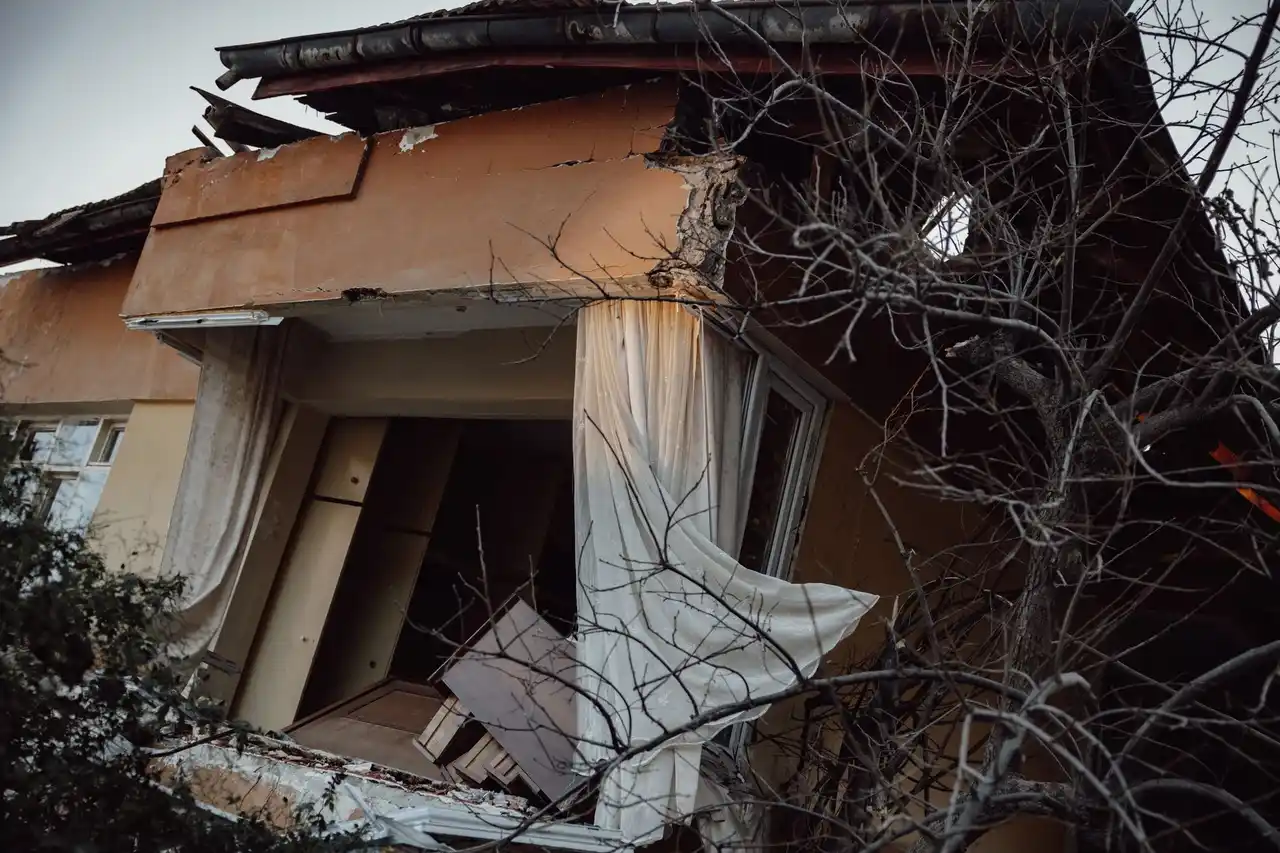
You call (772) 477-0320 and describe what you're seeing: a spike in the water bill, a warm spot on the floor, a musty odor, or water staining the baseboard. We ask a few questions to narrow the likely source, then schedule a same-day or next-morning visit. Most Fort Pierce calls get a technician within 2 to 4 hours.
Our IICRC Water Restoration Technician walks the property with a thermal imaging camera and moisture meter. We check the water meter with all fixtures off to confirm an active leak, then use a boroscope inspection camera in walls and a listening disc on the slab. This phase takes 45 to 90 minutes depending on home size.
Once we've isolated the break, we shut off the affected line and make the repair. Copper gets soldered, PEX gets coupled, and cast iron gets replaced with code-correct material. After the fix, we pressurize the line to 80 psi and hold it for 15 minutes to confirm zero drop. You watch the gauge with us.
Any wet drywall, insulation, or framing gets dried with Dri-Eaz dehumidifiers and Phoenix Restoration air movers. We run a negative air machine with HEPA filtration to capture airborne spores, then apply Benefect or Concrobium antimicrobial spray to the affected area. Typical dry-out runs 24 to 72 hours.
We take final moisture readings and compare them to our baseline. If levels are within normal range for Fort Pierce humidity, we pull the equipment. You get a written summary with photos, moisture maps, and repair details you can hand to your insurance adjuster. Most claims for water leak repair Fort Pierce Florida homeowners file get approved faster with that documentation.
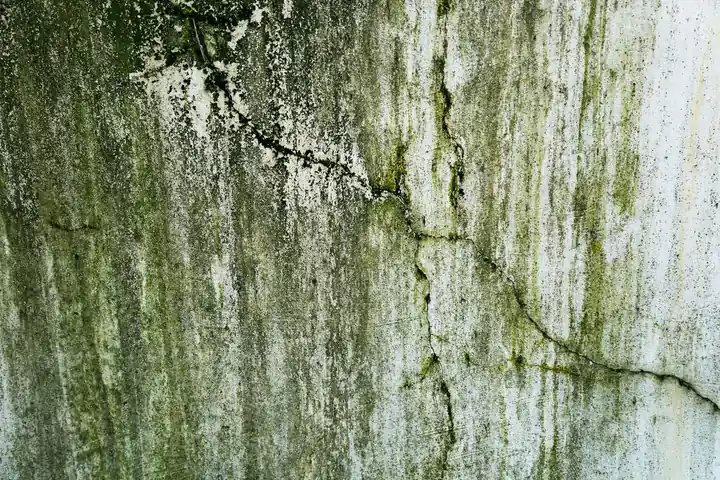
Detects temperature differences behind drywall and under slabs to locate hidden moisture without opening walls. We use it on every detection call.
Measures saturation levels in drywall, wood, and concrete. We take baseline readings, then compare after dry-out to confirm the structure is dry.
A flexible camera that goes inside wall cavities and under floors to visually confirm the leak source and check for mold growth.
Placed on the slab or floor to amplify the sound of pressurized water escaping a pipe. Pinpoints the break within a few inches.
Pulls moisture out of walls, floors, and air after a leak. Runs continuously until moisture readings hit dry standard.
High-velocity fans that circulate air across wet surfaces to speed evaporation. Used alongside dehumidifiers for faster dry-out.
Creates negative pressure in the work zone and filters airborne mold spores. Keeps contamination from spreading to clean areas of the home.
Our water restoration work follows the IICRC Water Restoration Technician standard for extraction, drying, and documentation. That means moisture readings at set intervals, equipment calibrated to the job, and a written drying log you can hand to your insurance adjuster.
We isolate sections of the plumbing system and pressurize them individually to find which line is losing water. This narrows the search from the whole house to one run of pipe in under an hour.
We compare surface temperatures across walls and floors. Wet areas show a temperature delta from surrounding dry material. Mapping that delta gives us a picture of how far the water has traveled.
For spaces that can't be fully opened, like ductwork or wall cavities, we use a fogger to distribute antimicrobial product into every crevice. Products include Benefect and Concrobium.
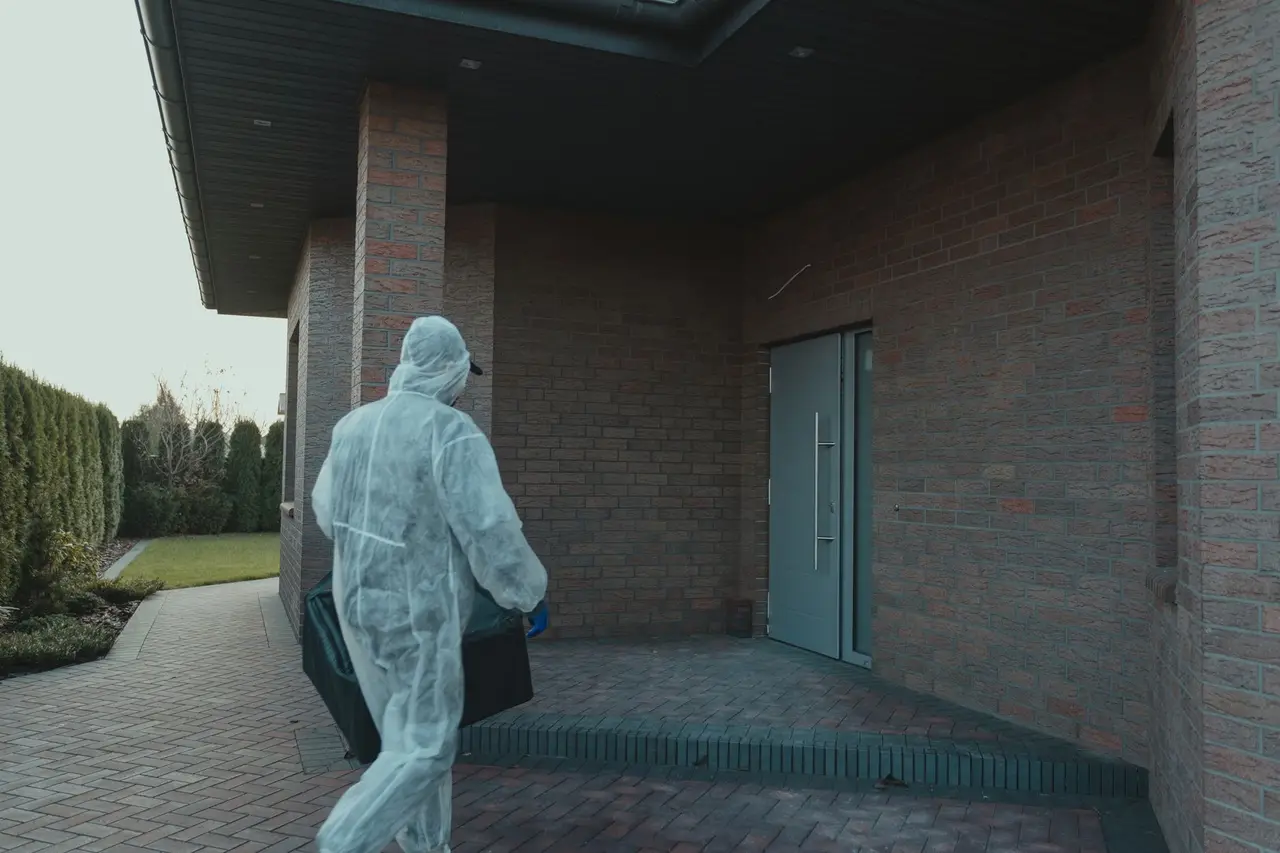
We come out, shut off the main, and watch the meter. If it's still spinning, there's an active leak. Thermal imaging and acoustic sensors locate it, and we repair the line the same day. Your next bill drops back to normal, and you avoid the foundation damage that comes with a leak running for months.
Call (772) 477-0320. We answer 24/7. We walk you through shutting off the main, then dispatch a technician with extraction and drying equipment. Most emergency calls get a same-day response. Water is extracted, the line is repaired, and dehumidifiers are running within hours instead of days. Mold never gets a foothold.
We run a full leak detection inspection before you close. Thermal imaging, moisture meters, and a pressure test on the supply lines tell you whether it's an active leak or old staining. You get a written report with photos and readings. That document either clears the property or gives you leverage to negotiate the repair cost.
We clear the drain, repair any damaged line, extract standing water, and run air scrubbers with HEPA filters. If mold started in the closet or ductwork, we treat it in the same visit. The closet is dry, the HVAC runs clean, and you're not breathing spores every time the system kicks on.
Fort Pierce has a mix of housing stock that shapes how we approach every leak call. Homes built before 1980 in Lincoln Park and the Peacock Arts District often still have original galvanized supply lines that corrode from the inside. Newer construction on Hutchinson Island and in Waterstone uses PEX and copper, which fail differently. Our subtropical climate means the water table sits high after summer storms, and irrigation systems run year-round, so underground line breaks are common. We also see slab leaks in concrete block ranches where hot water lines run under the floor. If you're searching for water leak repair Fort Pierce FL near me after a spike in your bill, we know the neighborhoods and the pipe materials. We pull permits when required by St. Lucie County code and follow Florida Building Code for every repair.
Historic cottages and commercial buildings with original plumbing. We see more cast-iron drain failures and galvanized supply line corrosion here than anywhere else in the city.
Canal-front and oceanfront homes with irrigation systems and pool lines. Salt air accelerates corrosion on exterior fittings and shutoff valves.
Mid-century ranches on slab foundations. Hot water lines under the slab are a common failure point, and thermal imaging is the fastest way to find them.
Older wood-frame homes with crawl spaces. Supply line leaks up there soak insulation and joists before anyone notices, so we check the crawl space on every call.
Ground saturation puts pressure on underground lines and irrigation systems. Small cracks become full breaks, and leaks surface faster. We see a spike in calls from June through October.
Wet building materials don't dry on their own here. A leak that would dry out in a day in a dry climate stays wet for weeks, which is why we run dehumidifiers on almost every job.
Galvanized pipe corrodes from the inside and fails at joints first. We inspect every joint on older homes and recommend replacement when we find more than two failing sections.
Exterior fittings, hose bibs, and irrigation valves corrode faster. We use corrosion-resistant replacement parts on beachside properties and check them during every service call.
A homeowner in Lakewood Park noticed a warm strip on the hallway floor and a water bill that jumped from $65 to $140. Tile was starting to crack, and the baseboard showed dark staining. We confirmed an active slab leak with thermal imaging and acoustic sensors.
We opened one 12-inch access panel, replaced a 4-foot section of failed copper, and pressure-tested the line at 80 psi for 15 minutes with zero drop. Moisture readings in the surrounding slab dropped from 28% to 12% over three days of drying. The homeowner's next bill was $61.
Maintenance: We recommended checking the water meter monthly and watching for warm spots. If the home still has original copper under the slab, budget for a repipe within five years.
A property manager on Hutchinson Island South reported a musty odor in a rental unit. No visible water, but the smell got worse over two weeks. Our boroscope found a pinhole leak in a copper line feeding the shower valve. The wall cavity was wet and showing early mold growth on the studs.
We repaired the line, removed the wet drywall section, HEPA-vacuumed the cavity, and treated the studs with RMR-86. Air scrubbers ran for 48 hours. Post-remediation air sampling showed spore counts back at normal outdoor levels, and the odor was gone.
Maintenance: We set the unit up with a moisture check every six months and recommended a pressure test on the building's supply lines since it was built in the 1980s.
A pipe burst under a kitchen sink in Fort Pierce North on the Saturday before Thanksgiving. Water soaked the cabinet base, spread across 200 square feet of vinyl flooring, and started wicking up the drywall. The homeowner shut off the main and called us at 9 p.m.
We extracted standing water that night, set three Dri-Eaz dehumidifiers and four air movers, and repaired the failed shutoff valve and supply line Sunday morning. By Wednesday, moisture readings in the drywall and subfloor were back to dry standard. Total downtime: four days.
Maintenance: We replaced the old shutoff valve with a quarter-turn ball valve and recommended the homeowner exercise it twice a year to keep it from seizing.
Most leaks don't announce themselves with a flood. They show up as a higher bill, a musty smell, or a warm spot on the floor. Here are the problems we get called about most in Fort Pierce.
A pinhole leak can waste 6,000 gallons a month and quietly erode the soil under your foundation. By the time you see damage, the repair cost has tripled. We shut off every fixture, watch the meter, and use acoustic sensors to isolate the break. Most pinhole leaks get found and repaired in a single visit, and we show you the meter reading before and after so you can verify the fix.
That's a slab leak. Hot water lines under concrete corrode and fail, and the escaping water cracks tile, warps flooring, and feeds mold growth in the slab. Our slab leak detection Fort Pierce Florida service uses thermal imaging and listening discs to pinpoint the break within inches. We open one small access point instead of jackhammering the whole floor, repair the line, and pressure-test it.
Musty odors mean mold is already growing behind drywall, under flooring, or inside a wall cavity. Every day you wait, the colony spreads and remediation costs climb. We use a boroscope inspection camera to look inside walls and a moisture meter to map the wet zone. Once we find the leak, we repair it, remove contaminated material, and treat the framing with antimicrobial spray.
Foundation movement from soil erosion is expensive to fix. A slab leak is often the root cause, and ignoring it lets the damage compound with every wet season. We locate the leak, repair the line, and document the moisture levels. If foundation damage is already present, our report gives your contractor or engineer the data they need to plan the fix.
$180 - $2,500 depending on detection scope, access, and repair complexity
Typical 2026 pricing for leak detection in Fort Pierce runs $180 to $450 for the inspection, with repairs quoted separately based on what failed and how hard it is to access. A simple pinhole repair on an accessible line might be $150 to $300. A slab leak that requires opening concrete can run $800 to $2,500. We give you the detection price upfront and the repair quote before we cut anything. No surprise line items.
Fixing a leak early costs a fraction of what foundation repair or mold remediation runs. Our detection price is fixed and quoted upfront. You'll know the repair cost before we start, and we document everything for your insurance claim.
A leak behind an access panel is quick to fix. A leak under a slab or inside a finished wall requires cutting and patching, which adds labor and materials. We tell you the access plan before we start.
PEX and copper are straightforward to repair. Galvanized steel and cast iron often need a section replaced with transition fittings, which takes longer and costs more in parts.
Older homes sometimes have more than one failing joint. We quote per leak after detection. If we find a second leak during the repair, we stop and give you a revised number before continuing.
If the leak soaked a large area, dehumidifiers and air movers add to the cost. A small cabinet base might need one dehumidifier for 24 hours. A whole room might need three units for three days.
If mold is already growing, remediation is a separate scope. Containment, HEPA filtration, and antimicrobial treatment add cost, but handling it in the same visit saves you a second mobilization fee.
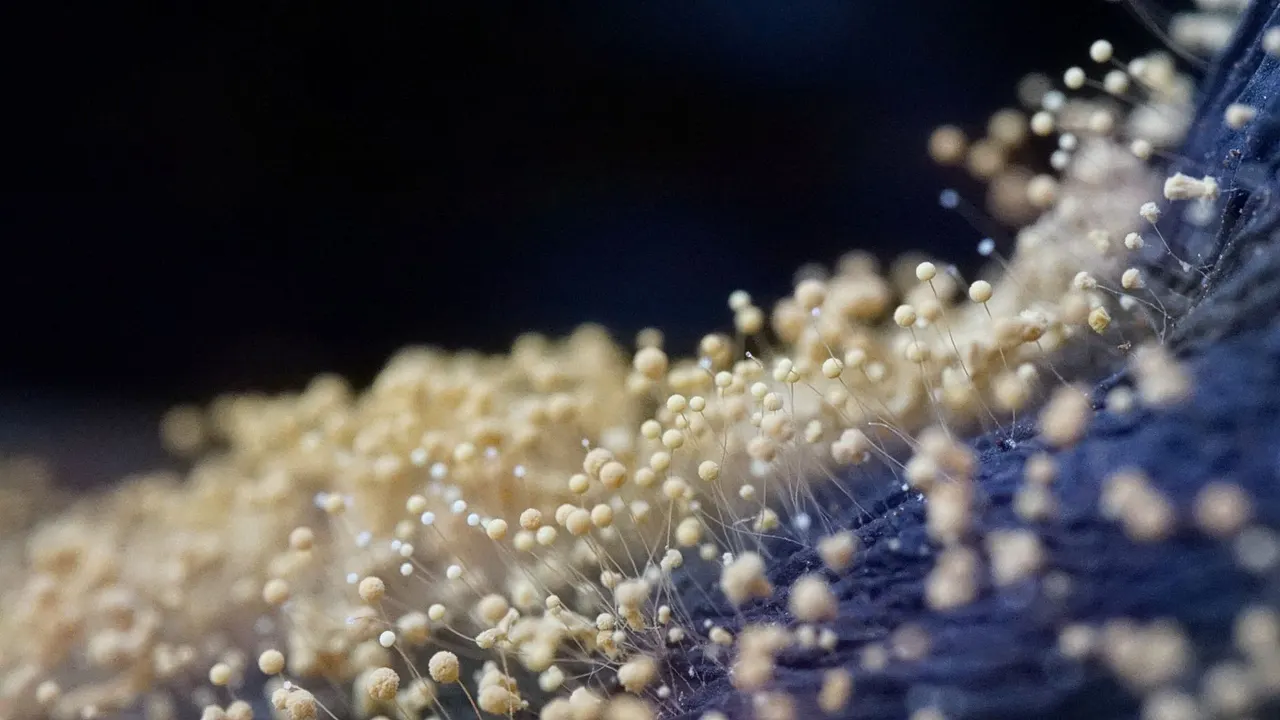
Our technicians hold IICRC Water Restoration Technician (WRT) and Applied Microbial Remediation Technician (AMRT) certifications, plus Florida Mold-Related Services License (MRSA) credentials. That combination matters because a leak that isn't dried correctly becomes a mold job within 48 hours. We also carry EPA Lead-Safe Certification for pre-1978 homes common in Lincoln Park and the Peacock Arts District, and OSHA 10 training for safe confined-space work in crawl spaces. We've mapped leaks in concrete block ranches, wood-frame cottages, and Hutchinson Island condos. Every repair gets documented with moisture readings and photos.
Our water bill doubled in one month and we had no idea why. CoveGuard came out the same afternoon, found a slab leak under the hallway with their thermal camera, and had it repaired by the next morning. They showed us the pressure gauge holding at 80 psi before they left. No guesswork, no tearing up the whole floor.
We manage six units and one had a musty smell nobody could trace. Their technician used a boroscope in the wall and found a pinhole leak in the copper line feeding the bathroom. They repaired it, dried the wall cavity, and treated the framing with antimicrobial spray. Moisture readings were back to normal in two days.
A pipe burst under our kitchen sink on a Sunday night. I called at 10 p.m. and a real person answered. They walked me through shutting off the main, then had a crew out by 7 a.m. Monday. They fixed the line, ran dehumidifiers for three days, and gave us a report our insurance accepted without any back-and-forth.
Most residential leak detection calls in Fort Pierce run $180 to $450 in 2026, depending on home size and how many systems we check. That covers the full inspection with thermal imaging, moisture meters, and acoustic equipment. The repair itself is quoted separately once we know what failed. Slab leaks and underground line breaks cost more to access, but we give you the number before we start cutting.
We do. CoveGuard Mold Solutions handles both detection and repair for water leak repair Fort Pierce homeowners need, from pinhole copper leaks to failed shutoff valves and irrigation line breaks. We're licensed, insured, and based in St. Lucie County. Call (772) 477-0320 and we'll schedule a same-day or next-morning visit. We serve ZIP codes 34949, 34947, 34982, 34981, 34950, and 34948.
Four signs point to a slab leak: a warm spot on the floor, the sound of running water when everything is off, a water bill that jumped 20% or more, and cracks appearing in tile or baseboards. If you see any of those, shut off the main and call us. Our slab leak detection Fort Pierce Florida service uses thermal imaging and acoustic listening to confirm the break without jackhammering your whole floor.
Sudden and accidental water damage is usually covered by Florida homeowner policies. Gradual leaks from long-term corrosion often are not. The key is documentation. We photograph the failed pipe, record moisture readings, and provide a written report showing the leak was sudden. That package gives your adjuster what they need. We also work directly with carriers on water damage restoration claims.
Not seeing your question? Our local team can help you understand urgency, scheduling and what to expect.
Ask the local team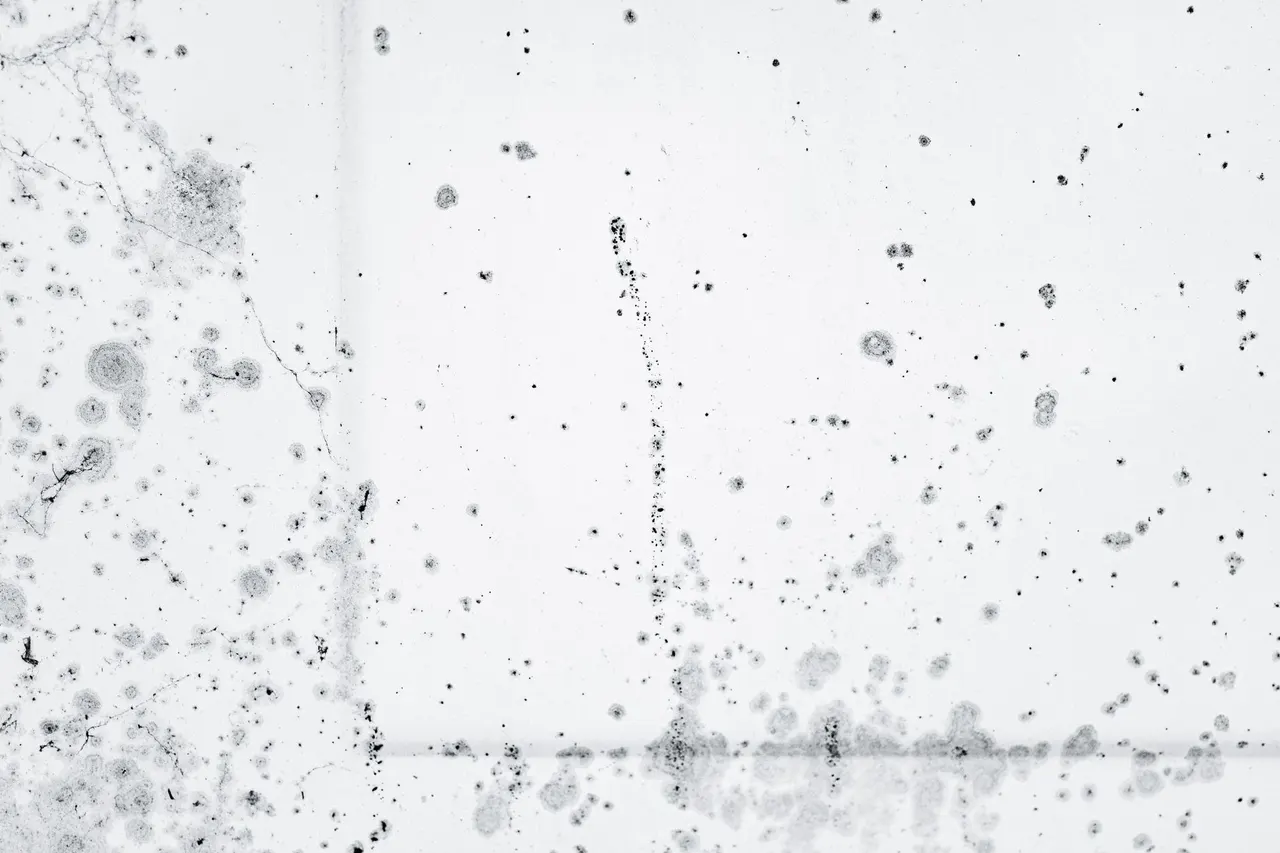
A leak left unrepaired for 48 hours feeds black mold growth inside walls and under floors. We remove contaminated drywall, treat framing with antimicrobial spray, and run HEPA air scrubbers until spore counts return to normal.
View service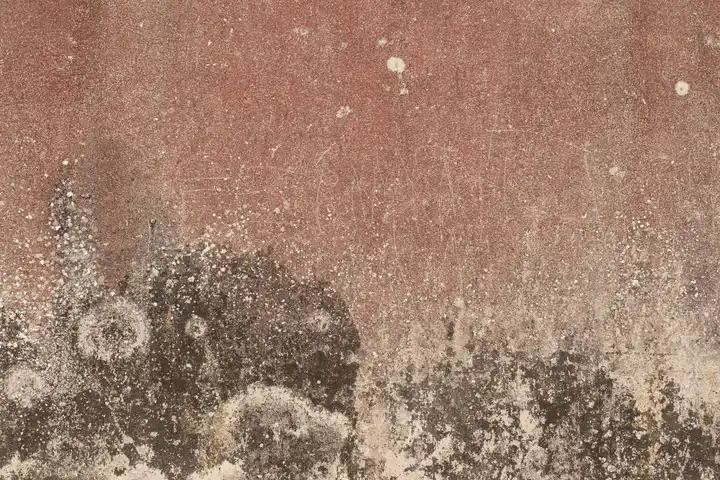
After any water leak repair Fort Pierce job, we recommend air and surface sampling to confirm no mold colonized during the wet period. Our inspectors use moisture meters and lab analysis to give you a clear yes-or-no answer.
View service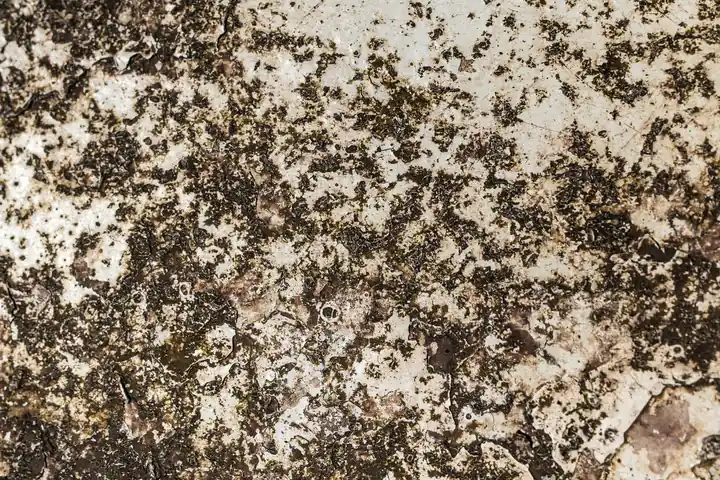
When a hidden leak has already produced visible mold, we contain the area with plastic sheeting, run negative air machines, and remove affected materials. Every job ends with post-remediation verification before we call it done.
View service
Burst pipes at 2 a.m. or storm-driven water intrusion can saturate a home fast. Our emergency crew responds 24/7 across Fort Pierce with extraction equipment, dehumidifiers, and air scrubbers to stop mold before it starts.
View service
Call (772) 477-0320 any time, day or night. We answer live and dispatch same-day for mold inspections and emergency remediation across Fort Pierce. If you prefer email, send photos and your address to [email protected] and we will follow up within one business hour.