Focused arrival windows
Useful updates and clear arrival timing.
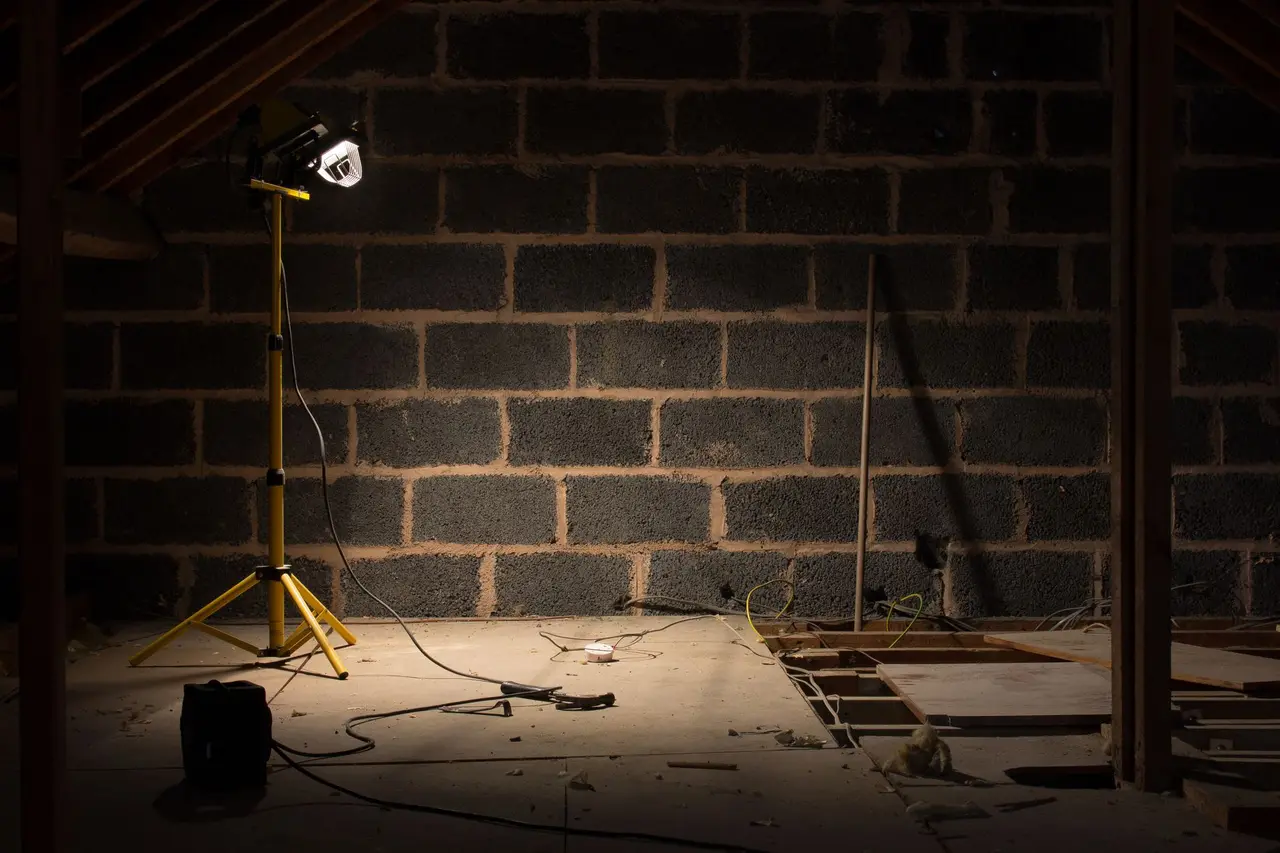
Post-Remediation Verification and Clearance Testing Fort Pierce FL is the final step that proves a mold job actually worked. We run air and surface samples, compare them against your pre-remediation baseline, and hand you a written clearance report. If you had mold removal done by another crew and never got proof it passed, we verify it. Most Fort Pierce homes get results back in 24 to 48 hours.
Useful updates and clear arrival timing.
Review the approach and price before deciding.
Equipped vehicles and respectful cleanup.
Neighbors serving neighbors with follow-through.
Every verification job includes the full sampling and reporting package. Re-treatment after a failed test is a separate scope, but we handle it ourselves if you want us to.
We run calibrated air pumps in each affected room and in a control area outside. Samples capture airborne spores by species, which is the primary measure of whether a space is clean. A typical home gets three to six air samples.
We swab framing, duct interiors, window tracks, and other surfaces where spores settle. Surface results catch contamination that air sampling can miss, especially in wall cavities and HVAC components.
Every test includes moisture meter and thermal imaging readings. If materials are still above 16 percent moisture, the test will fail regardless of spore counts, so we check this first and tell you if the space is not ready.
Samples ship to an accredited third-party lab the same day they are collected. The lab cultures and counts colony-forming units by species. Results come back in 24 to 48 hours, or same-day with rush processing.
You get a report with every sample location, species identified, spore counts, the outdoor control reading, and a clear pass or fail. It is formatted for insurance, real estate, and legal use.
Share what is happening and receive a clear next step from the local team.
Post-Remediation Verification and Clearance Testing Fort Pierce FL is the third-party inspection that confirms a mold remediation job actually worked. After a crew removes contaminated drywall, treats framing, and runs an air scrubber, mold spores can still be sitting in the air or hiding behind baseboards. We take air samples with a calibrated pump, swab surfaces, and check the work area against the outdoor control sample. If spore counts inside are at or below outdoor levels, the job passes. If not, we tell you exactly where it failed.
Fort Pierce sits in St. Lucie County, where summer humidity runs above 80 percent and afternoon storms push water into attics and crawl spaces. That climate keeps mold active long after a leak is fixed. We see it constantly in 34949 and 34982, where older homes have original ductwork and no vapor barrier. That is why post-remediation verification Fort Pierce homeowners can trust matters more here than in drier parts of Florida. A visual check is not enough. You need lab numbers.
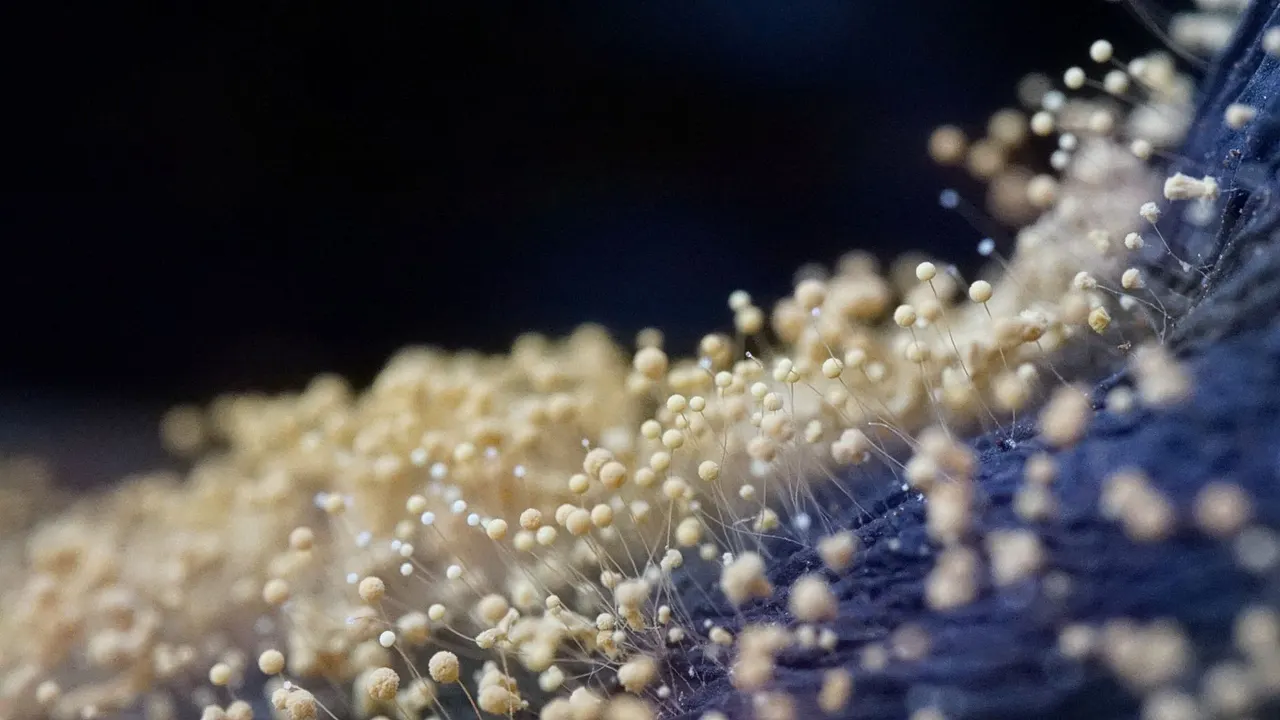
We start by pulling your original remediation scope and any pre-remediation lab reports. If you do not have them, we take our own outdoor control sample to establish what clean air looks like on your property that day. This takes about 20 minutes and sets the benchmark every indoor sample gets measured against.
Our technician walks the work area with a moisture meter and thermal imaging camera. We are looking for elevated readings, musty odors, and any staining the remediation crew missed. Moisture above 16 percent on wood framing means the area is still wet and not ready to test.
We run a calibrated air pump for 5 to 10 minutes per room, then swab surfaces like framing, duct interiors, and window tracks. Samples go into sealed cassettes and ship to an accredited lab the same day. A typical three-room job takes 45 to 90 minutes on site.
The lab cultures the samples and counts colony-forming units by species. Results come back in 24 to 48 hours, or same-day if you need it. We compare indoor counts to your outdoor control. At or below outdoor levels is a pass. Anything above is a fail with a location attached.
You get a report listing every sample location, the species found, the counts, and a clear pass or fail. If it fails, we mark the exact spots that need re-treatment and can handle that work ourselves. If it passes, you have documentation that holds up for insurance, real estate, or your own records.
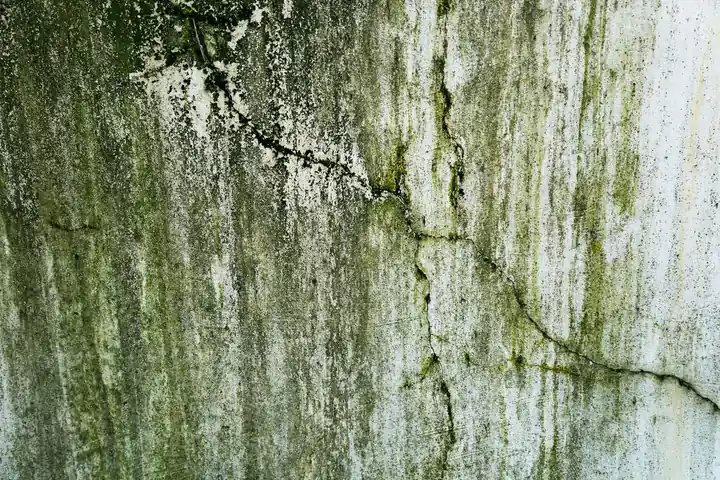
Measures moisture content in drywall, wood framing, and subfloor. Readings above 16 percent mean the material is still wet and not ready for clearance testing.
Reveals temperature differences behind walls that point to hidden moisture or air leaks. It shows us where to sample before we ever cut into a wall.
Slides into wall cavities and duct interiors through small openings. It lets us see mold growth in spaces that are otherwise closed off.
Draws a known volume of air through a spore trap cassette. The lab uses that volume to calculate spores per cubic meter, which is the number that determines pass or fail.
Captures spores during cleanup and re-treatment without releasing them back into the air. We use HEPA filtration on every re-treatment job.
Runs continuously during re-treatment to filter airborne spores. It keeps the work area contained so contamination does not spread to clean rooms.
Applies antimicrobial treatment to large surface areas and hard-to-reach cavities. We use it when a failed test requires broad re-treatment.
The industry standard for mold remediation and verification. It defines how samples are taken, how results are interpreted, and what conditions constitute a passing clearance. We follow it on every job.
We always take an outdoor air sample on the same day as indoor sampling. Indoor counts at or below outdoor levels indicate a pass. This accounts for seasonal spore variation in Fort Pierce.
The lab identifies mold by species, not just total count. That matters because some species, like Stachybotrys, are more concerning than common outdoor molds. Species data tells us what we are actually dealing with.
We check moisture before we sample. Testing a wet space wastes money because it will fail on moisture alone. If materials are still wet, we tell you to dry further and come back.
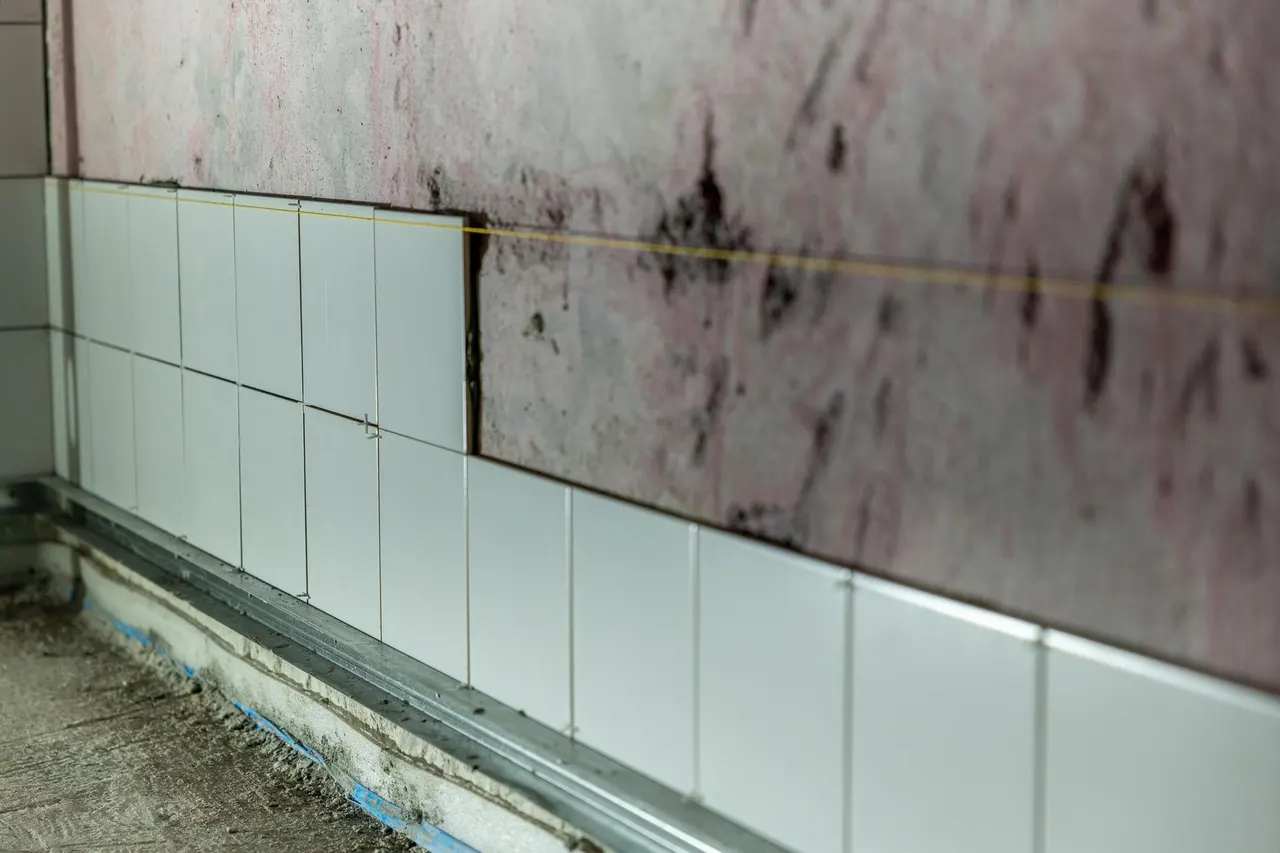
We run independent air and surface sampling and compare the results to an outdoor control. If the numbers pass, you get a written report. If they fail, we tell you exactly where and handle the re-treatment. You get documentation that the job actually passed, or a clear plan to fix what did not.
We test the flagged areas, confirm whether mold is active, and provide a clearance report the buyer's agent can review. If remediation is needed, we handle it and re-test before closing. The sale moves forward with lab-backed proof instead of a stalled negotiation.
We perform the verification testing and produce a report formatted for insurance. It includes sample locations, species counts, and the outdoor control reading, which is what adjusters look for. Your claim gets the documentation it needs without delays or denied coverage.
We test the affected areas after drying is complete. If moisture readings are still high, we tell you the space is not ready and recommend further drying before testing. You know for certain whether the water damage turned into a mold problem.
Fort Pierce has a mold problem that most of Florida shares but with local twists. Summer humidity sits above 80 percent for months, and afternoon thunderstorms push water into attics and crawl spaces across St. Lucie County. Older homes near Downtown and the Peacock Arts District often have original ductwork and no vapor barrier, which keeps crawl space moisture high year-round. Newer construction out by Portofino Shores and Waterstone is tighter, so when a leak happens, moisture gets trapped instead of drying out. That is why post-remediation mold testing Fort Pierce Florida homeowners order needs to account for local conditions, not just a generic checklist. We also see a lot of HVAC mold contamination in 34949 and 34982, where systems run constantly and condensation builds up in plenums. Our sampling plan adjusts for all of it. If you need a final mold clearance inspection Fort Pierce FL wide, we know where to look because we work these neighborhoods every week.
Older buildings with original plaster and ductwork. Crawl spaces often lack vapor barriers, so moisture stays high and mold returns easily without verification.
Salt air and coastal humidity accelerate corrosion and mold growth. HVAC systems here need plenum sampling because condensation builds up fast.
Mix of older and newer homes. We see attic mold from roof leaks and poor ventilation, which clearance testing catches before it spreads.
Newer, tighter construction traps moisture when leaks happen. Clearance testing after remediation confirms the sealed structure is actually dry inside.
Mold stays active longer after remediation, so clearance testing needs to confirm moisture is controlled, not just that spores are low on test day.
Storm-driven water intrusion is the leading cause of mold jobs we verify. Testing after a storm season catches problems before they spread.
Duct interiors in older Fort Pierce homes are a common hidden mold source. We sample them as part of every clearance test.
Crawl spaces stay damp even without a leak. Vapor barriers and encapsulation are often needed before clearance testing will pass.
A homeowner in South Beach had remediation done after a roof leak. The crew said it was clean, but the homeowner still smelled mustiness. Our first clearance test found elevated Aspergillus spores in the master bedroom wall cavity.
We opened the cavity, found wet drywall the crew missed, treated the framing with antimicrobial spray, and re-tested. The second test came back at outdoor levels. Pass.
Maintenance: We recommended a dehumidifier in that room during summer months and a roof inspection each spring before storm season.
A Lakewood Park home had visible attic mold and a musty smell through the house. The HVAC plenum was contaminated and spreading spores into every room. Initial air samples showed counts three times higher than outdoor levels.
We cleaned the attic, treated the plenum with antimicrobial spray, ran a HEPA vacuum through the ductwork, and re-tested. Final counts were at or below outdoor levels in all rooms.
Maintenance: We set up quarterly HVAC filter changes and an annual duct inspection to keep the system clean.
A Downtown Fort Pierce home had crawl space mold from years of ground moisture. The homeowner had encapsulation done but no verification. Moisture readings on joists were still above 20 percent.
We found the vapor barrier had a tear near the access hatch. We repaired it, ran a dehumidifier for three days, and re-tested. Moisture dropped to 12 percent and spore counts passed.
Maintenance: We recommended checking the vapor barrier seal twice a year and keeping a dehumidifier running through the wet season.
A remediation job that looks finished can still be failing. These are the problems we catch before you move back in.
Spores keep releasing into the room and you keep getting sick or smelling musty air, even though the visible mold is gone. We use a boroscope inspection camera and thermal imaging camera to check wall cavities the eye cannot see. If we find growth, we mark the exact location and re-treat it, then re-test to confirm it passed.
Without a lab-backed clearance report, your insurance claim can be denied and a real estate closing can stall. We provide a written clearance report with lab data that insurance adjusters and real estate agents accept. It lists every sample location, species, and count, so there is no question about what was tested.
Mold in the air handler or ductwork blows spores back into rooms you already cleaned, so the mold keeps coming back. We sample duct interiors and supply registers as part of clearance testing. If the HVAC is contaminated, we clean it with HEPA vacuuming and antimicrobial treatment, then re-test the whole system.
Odor means active mold is still somewhere, even if you cannot see it. Masking it with air fresheners just hides the problem. We trace the odor with moisture meters and air sampling to find the source. Once located, we treat it and verify with a final test that the odor source is gone, not just covered up.
$250 - $600 for standard residential clearance testing
Typical 2026 pricing for clearance testing in Fort Pierce runs $250 to $600 for a standard home, depending on how many rooms and samples are needed. A single-room verification sits at the low end. Whole-home testing with attic and HVAC sampling runs higher. Rush lab processing adds to the total. We give you the exact price before we start. If the test fails and you want us to handle re-treatment, that is a separate scope quoted upfront.
A clearance report is what protects your remediation investment. Without it, you have no proof the job worked, your warranty may be void, and your insurance claim can be denied. The cost of testing is small compared to redoing remediation you already paid for.
Each room needs at least one air sample and often a surface swab. A three-bedroom home typically needs five to eight samples, while a single affected room needs two or three. More samples mean more lab fees.
If the air handler or ductwork was part of the remediation, we sample duct interiors and supply registers. That adds time and lab cost, but it is the only way to confirm the system is not re-contaminating clean rooms.
Standard lab results come back in 24 to 48 hours. Rush processing gets results the same day for an added fee. If you are on a closing deadline or an insurance timeline, rush is worth the cost.
Testing crawl spaces and attics takes longer because of access and safety setup. These spaces also often need moisture verification before sampling, which adds time on site.
A failed test means the area needs re-treatment before a second test. That is quoted separately based on the size and location of the failed area. We handle it ourselves so you are not coordinating two contractors.
Clearance testing is only as good as the person interpreting the numbers. Our technicians hold IICRC Applied Microbial Remediation Technician (AMRT) and Water Restoration Technician (WRT) certifications, and we work under a Florida Mold-Related Services License (MRSA). We follow the IICRC S520 standard for mold remediation and the EPA guidelines for indoor air quality sampling. Every sample goes to an accredited third-party lab, never an in-house kit. That separation is what makes the result defensible when an adjuster or a buyer asks who signed off.
We had a remediation company finish up after a roof leak and they said it was clean. CoveGuard tested it and found elevated spores in the master bedroom wall cavity. Turned out the crew missed a wet section behind the drywall. They re-treated it and re-tested, and the second test passed. Worth every dollar to know it was actually done right.
I manage several rentals and need clearance reports for my records. CoveGuard has done testing on three units for me now. They show up when they say, the reports are clear and detailed, and the lab turnaround is fast. My insurance adjuster accepted their documentation without any back-and-forth.
We were selling our house and the buyer's inspector flagged possible mold in the attic. CoveGuard came out, tested it, and confirmed the attic was actually clean but the HVAC plenum had growth. They cleaned it and re-tested. The sale closed on time because we had the paperwork in hand.
Most residential clearance tests in Fort Pierce run $250 to $600 in 2026, depending on how many rooms and samples are needed. A single-room verification sits at the low end. Whole-home testing with attic and HVAC sampling runs higher. Rush lab processing adds to the total. You get the exact price before we start, and there are no surprise line items on the invoice.
Post-remediation verification in Fort Pierce is the independent inspection that confirms a mold removal job actually worked. We take air and surface samples, compare indoor spore counts to an outdoor control, and issue a written pass or fail. It is the step that separates a job that looks done from one that is actually clean.
We do, and we cover all of St. Lucie County. Our technicians are IICRC AMRT certified and work under a Florida MRSA license. We serve ZIP codes 34949, 34947, 34982, 34981, 34950, and 34948, plus surrounding areas like Lakewood Park, White City, and Indian River Estates. Call (772) 477-0320 to schedule.
On-site sampling takes 45 to 90 minutes for a typical home. Lab results come back in 24 to 48 hours, or same-day with rush processing. So you are looking at one visit plus the lab turnaround. If the test fails, re-treatment and a second test add a few more days depending on scope.
Not seeing your question? Our local team can help you understand urgency, scheduling and what to expect.
Ask the local team
When clearance testing fails, the fix is a targeted re-remediation of the failed area. We handle that work ourselves so you are not coordinating two contractors. Most re-treatments are small, focused jobs.
View service
Clearance testing is the final step of a longer process that starts with inspection. If you have not tested yet, we start with a full inspection and baseline air samples to find out what you are dealing with.
View service
Removal and cleanup is the work that clearance testing verifies. If you need both, we can run the removal and then verify our own work with third-party lab samples, which keeps the process honest.
View serviceAfter a storm or a burst pipe, emergency remediation stops the spread fast. Clearance testing comes next, once the area is dry, to confirm the emergency work actually cleared the contamination.
View service
Call (772) 477-0320 any time, day or night. We answer live and dispatch same-day for mold inspections and emergency remediation across Fort Pierce. If you prefer email, send photos and your address to [email protected] and we will follow up within one business hour.