Focused arrival windows
Useful updates and clear arrival timing.
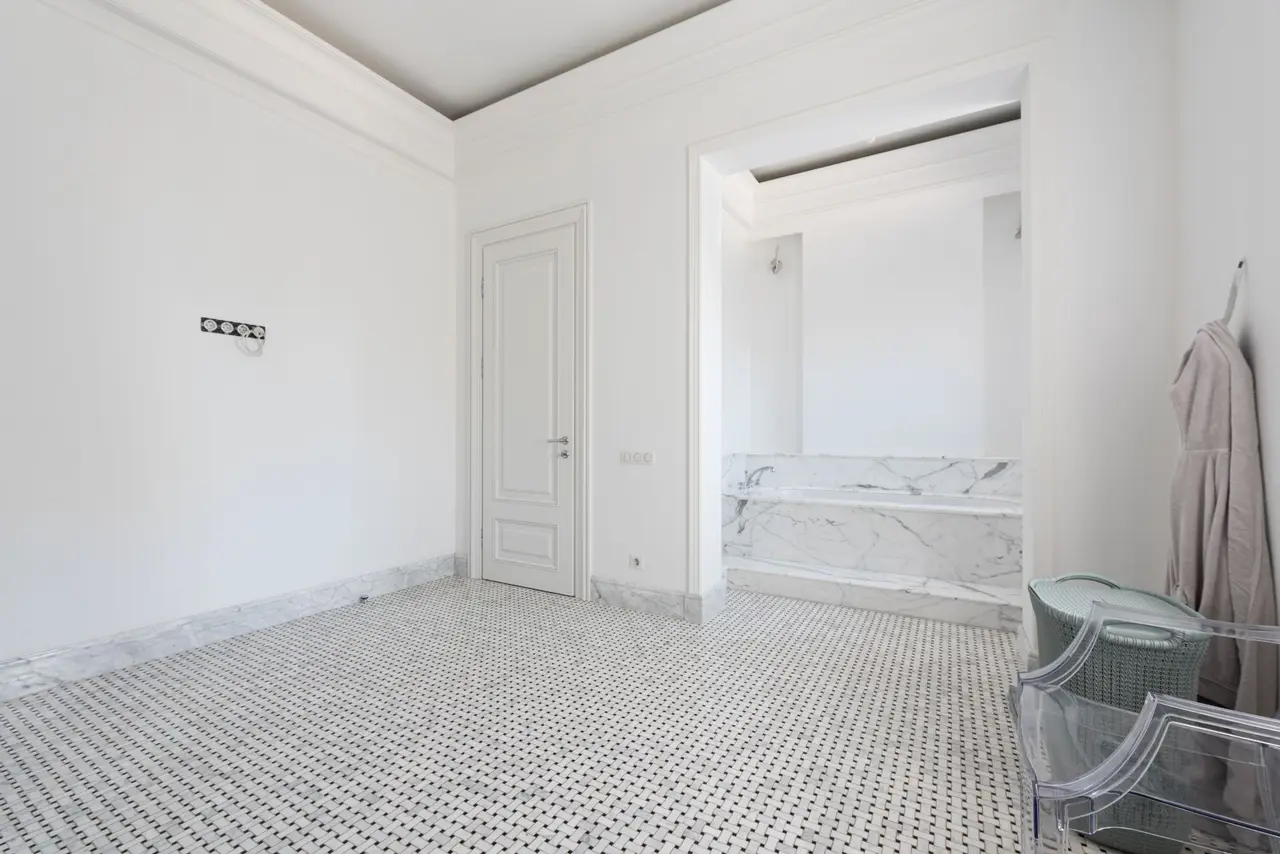
Wood Mold Removal and Treatment Fort Pierce FL is the service you call when black mold, rot, or musty odors show up on framing, subfloor, decking, or trim. Our technicians treat the wood itself, not just the surface. Fort Pierce humidity sits above 70% most of the year, so untreated wood stays wet and mold keeps returning. We stop that cycle.
Useful updates and clear arrival timing.
Review the approach and price before deciding.
Equipped vehicles and respectful cleanup.
Neighbors serving neighbors with follow-through.
Every wood mold job includes inspection, containment, drying, treatment, and verification. Add-ons like encapsulation, duct cleaning, and third-party clearance testing are quoted separately when needed.
We check every accessible wood surface with a moisture meter and thermal imaging camera, then map the wet zones. You get readings and photos so you can see exactly where the problem is and how far it spread.
Plastic sheeting and duct tape isolate the work area, and a negative air machine with HEPA filters keeps spores out of the rest of your home. Technicians wear full personal protective equipment throughout.
We run Dri-Eaz and Phoenix Restoration dehumidifiers with air movers and log readings daily. Treatment does not start until the wood is dry enough that mold cannot survive on it.
After HEPA vacuuming, we apply antimicrobial spray and a treatment such as Concrobium, RMR-86, Benefect, or ShockWave. This kills mold inside the wood grain, not just on the surface.
We re-check moisture, wipe-test surfaces, and fog hard-to-reach areas. You get a written report with before-and-after readings, and we coordinate third-party clearance testing if your insurer or lender requires it.
Share what is happening and receive a clear next step from the local team.
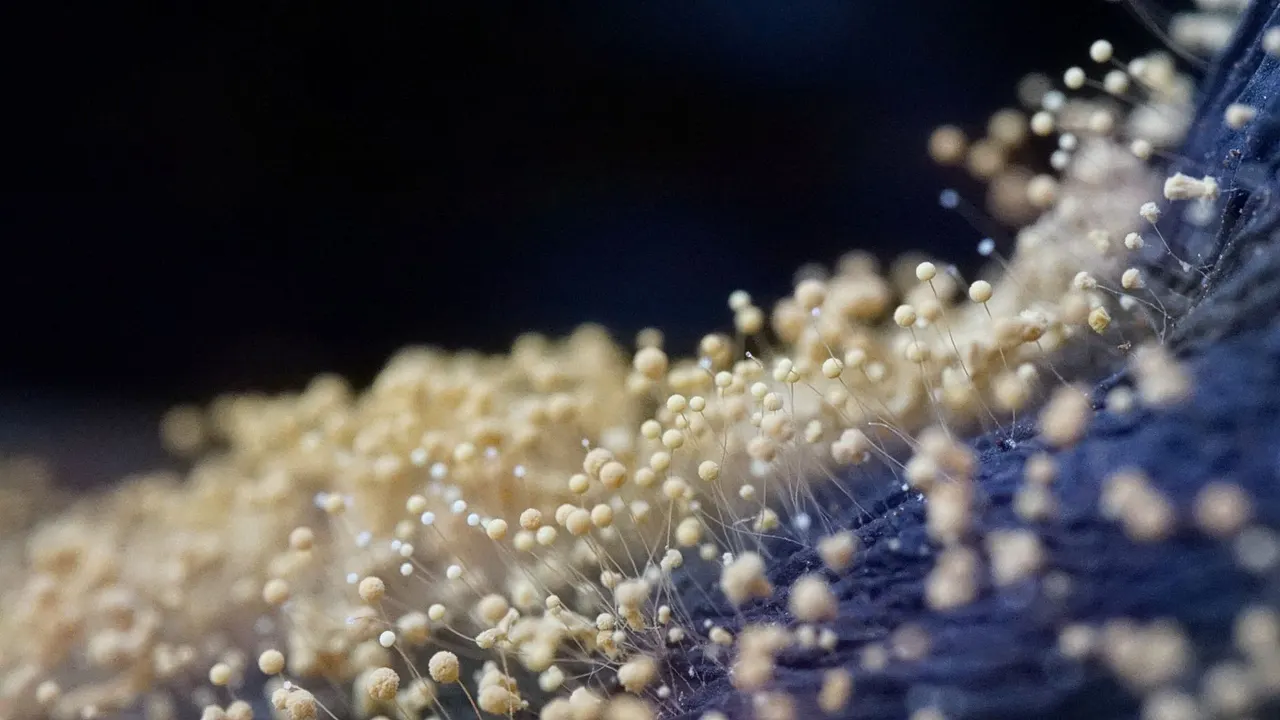
Wood Mold Removal and Treatment Fort Pierce FL is the process of killing active mold growth on wood, removing the staining and spores, and treating the wood so it resists regrowth. Wood is porous, so mold roots into the grain instead of sitting on top of it. Wiping the surface does nothing. We use a moisture meter and thermal imaging camera to find how deep the water went, then apply antimicrobial spray and a penetrating treatment like Concrobium or ShockWave to reach the mold inside the fibers.
Fort Pierce sits in St. Lucie County, where summer humidity, afternoon storms, and hurricane-season leaks keep wood wet for weeks. We see it constantly in older homes near Downtown Fort Pierce and the Peacock Arts District, plus crawl spaces and attics from Fort Pierce North down to South Beach. If you search for wood mold cleanup near me Fort Pierce, the fix is the same: find the water source, dry the wood, treat it, and verify it is clean.

We walk the property with a moisture meter and thermal imaging camera, then check inside wall cavities with a boroscope inspection camera. You get readings, photos, and a clear scope. Most inspections take 45 to 90 minutes, and we tell you on the spot whether the wood can be saved or has to come out.
We seal the work zone with plastic sheeting and duct tape and set up a negative air machine with HEPA filters. This keeps spores from drifting into the rest of your home. Technicians wear full personal protective equipment, and we stage the area so you can still use the rest of the house.
Mold cannot survive dry wood. We set Dri-Eaz and Phoenix Restoration dehumidifiers plus high-velocity air movers and monitor moisture content daily. Depending on how wet the wood is, drying runs one to four days, and we do not move to treatment until readings drop below 16%.
We HEPA vacuum the surface, remove mold-damaged material that cannot be saved, then apply antimicrobial spray and a treatment such as Concrobium, RMR-86, Benefect, or ShockWave. For crawl spaces we add an encapsulation vapor barrier. Most treatment days run four to eight hours.
We re-check moisture, wipe-test surfaces, and run a fogger for hard-to-reach areas. If you want third-party clearance, we coordinate post-remediation verification. You get a written report with before-and-after readings, and we walk you through what to watch for going forward.
Finds hidden moisture inside walls, crawl spaces, and attics without tearing everything open. We use readings to decide what gets dried and what gets replaced.
Lets us see inside closed wall cavities and behind cabinet bases to confirm mold growth on wood framing before we commit to a repair plan.
Captures spores instead of stirring them up. Every wood treatment starts with HEPA vacuuming so the surface is clean before antimicrobial goes on.
Pulls air out of the contained work zone and filters it, keeping spores from spreading into the rest of your Fort Pierce home.
Dries wood framing, subfloor, and decking down below 16% moisture content, which is the threshold mold needs to survive.
Reaches cracks, joints, and the back side of framing where sprayers cannot. We use it as a final step after surface treatment.
EPA-registered antimicrobial treatments we match to the wood type and mold severity. Each one kills mold and leaves residual protection in the grain.
The industry benchmark for mold work. It governs containment, removal, cleaning, and verification, and it is the standard adjusters and third-party inspectors expect to see on a wood mold job.
We will not apply antimicrobial to wet wood because it will not hold. We log daily readings and only treat once the wood is below 16% moisture content.
Simple materials, done right. Sealing doorways, vents, and returns keeps spores out of the rest of the house while we work on the wood.
A sealed barrier over the ground stops moisture from rising into joists and subfloor. It is the single most effective step for keeping treated crawl space wood dry.

We inspect the studs and plates with a moisture meter, set up containment, dry the wood, and treat it with antimicrobial and a penetrating product. If any stud is rotted through, we tell you and replace it. The wall cavity goes back together clean, with treated wood and documented moisture readings you can keep for your records.
We crawl the space, check joists and subfloor with a boroscope, dry the framing, treat the mold, and install a vapor barrier to cut off ground moisture. The smell is gone, the floor feels solid again, and the treated joists stay dry through the wet season.
We treat the wood with a wood-safe antimicrobial, scrub the growth out of the grain, and apply a treatment that resists regrowth. We finish with a sealer recommendation for exterior wood. The deck looks clean, the surface is no longer slick, and regrowth slows dramatically compared to a pressure wash alone.
We treat the wood in place where possible, remove only what cannot be saved, and document everything with photos and moisture logs for your insurance or records. The unit is rent-ready faster, and you have a written report showing the wood was treated and verified dry.
Fort Pierce humidity averages above 70% for much of the year, and that is the whole ballgame with wood mold. Wood stays damp long after a leak stops, so treatment has to include drying, not just spraying. Most of the homes we work in are older block-and-frame houses near Downtown Fort Pierce, Lincoln Park, and the Peacock Arts District, plus newer construction on Hutchinson Island and in the western communities. Crawl spaces are common, and ground moisture is the number one source we find. After a storm, we get calls from South Beach and Fort Pierce North about deck and fence mold treatment Fort Pierce FL, and from inland neighborhoods about attic sheathing after roof leaks. We follow Florida Mold-Related Services License (MRSA) requirements and IICRC S520, and we document everything for St. Lucie County insurance claims. If you need wood mold removal and treatment Fort Pierce FL near me, we are local and we can usually be there within 24 hours.
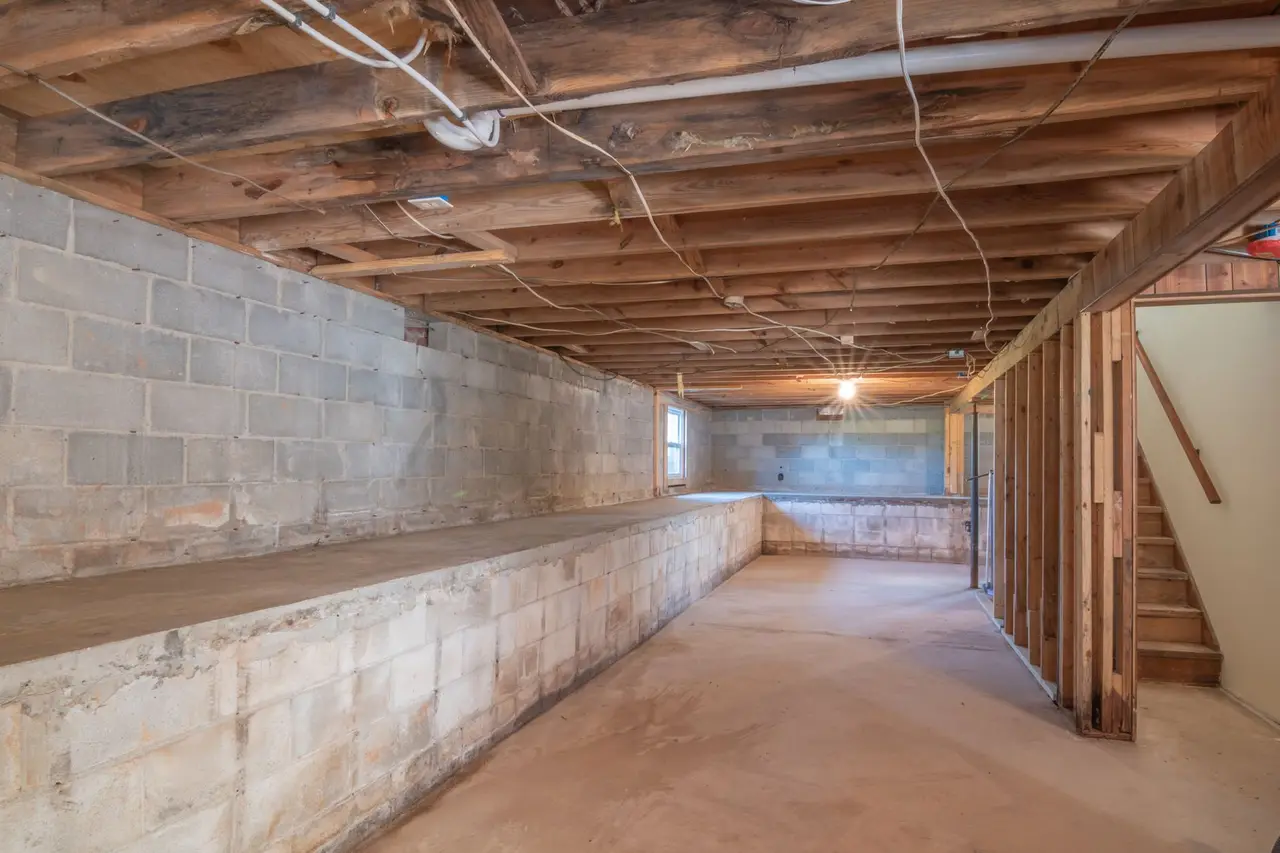
Older homes with pier-and-beam construction and original wood subfloors. Crawl space moisture is the most common wood mold source we find here.
Many homes have mature trees and shaded roofs that stay damp longer after rain. Attic sheathing and fascia mold calls are frequent.
Salt air and coastal humidity accelerate wood decay. Deck boards, railings, and exterior trim need treatment more often than inland properties.
Low-lying lots and older drainage mean crawl spaces flood more easily. We often combine wood treatment with a vapor barrier and sump pump check.
Established neighborhood with a mix of wood-frame and block homes. We see window frame and door jamb mold from AC condensate and irrigation overspray.
Wood dries slowly and mold can start within 24 to 48 hours of a leak. We extend drying times and verify moisture content before treating, even when the surface looks dry.
Water pushes into wall cavities and attics through small gaps. After a storm, we check framing and sheathing that looks fine on the surface because mold often starts behind it.
Ground moisture rises into crawl spaces and keeps joists damp. We treat the wood and install a vapor barrier, because treatment alone will not hold without moisture control.
Pre-1978 homes may have lead paint on trim and doors. Our EPA Lead-Safe Certification lets us handle those surfaces safely while treating the wood underneath.
A 1950s home had visible black mold on every floor joist and the subfloor was soft in two spots. Moisture readings were in the 24% range and the musty smell filled the hallway.
We dried the framing for three days, HEPA vacuumed and treated all joists, and installed a vapor barrier. Final readings came in at 11% to 13%, and the smell was gone at the one-week follow-up.
Maintenance: Keep the crawl space vents clear, run the AC as normal, and check the vapor barrier once a year for tears. We recommend a moisture check every two years.
A slow roof leak soaked the sheathing and three rafters. Mold covered roughly 40 square feet and the attic smelled strongly of mildew. The homeowner had not been in the attic in over a year.
We dried the wood, treated the rafters and sheathing, and replaced one section of decking that had rotted through. Post-treatment readings were under 12% and clearance testing passed.
Maintenance: Fix roof leaks immediately, add ridge and soffit ventilation if the attic runs hot, and inspect the sheathing each spring before the rainy season.
A pressure-treated deck and 80 feet of fence had dark mold staining across the boards. A pressure wash the year before had only made it come back faster and left the surface fuzzy.
We treated the wood with a wood-safe antimicrobial, scrubbed the growth out of the grain, and applied a penetrating treatment. Six months later the boards were still clean and the surface was solid.
Maintenance: Apply a wood sealer every 18 to 24 months and keep sprinklers from hitting the fence line. Rinse off leaf litter after storms so moisture does not sit on the boards.
Wood mold shows up in predictable places here. Here are the calls we get most often and how we handle them.
Ground moisture and poor ventilation keep joists wet year-round. Untreated, the wood softens, floors start to sag, and spores rise into the living space through every gap. We dry the framing with dehumidifiers and air movers, HEPA vacuum the growth, treat every joist and subfloor panel with antimicrobial and a penetrating product, then install a vapor barrier so ground moisture stops feeding the mold.
Fort Pierce rain and humidity keep exterior wood damp for days. Mold stains spread, the wood greys and cracks, and the deck becomes slippery and unsafe. We treat deck and fence mold with a wood-safe antimicrobial, scrub the growth out of the grain, and apply a treatment that resists regrowth. Once dry, we recommend a sealer to slow future moisture absorption.
A slow supply line leak soaks the studs inside the wall. By the time you smell it, mold has been growing for weeks and the drywall has to come out. We remove the affected drywall, dry the studs and plates, treat the wood, and verify moisture before closing the wall. We also repair the leak so the same studs do not get wet again.
Attic heat plus a small roof leak creates ideal mold conditions. The smell works down through the ceiling, and the sheathing starts to rot from the inside. We treat the rafters and roof decking, correct the ventilation, and repair the leak path. If sheathing is too far gone, we remove and replace it, then treat the surrounding framing.
$450 - $3,200 depending on scope
Typical 2026 pricing for wood mold treatment in Fort Pierce runs $450 to $3,200 depending on square footage, how deep the mold reached, and how many days of drying are needed. Small treated areas like a deck section or window frame often fall between $450 and $900. Crawl space and attic projects with vapor barriers or sheathing replacement land at the higher end. We give you a fixed written price after the inspection, so you know the number before we start.
Treating wood is almost always cheaper than replacing it. A treated joist or deck board costs a fraction of a full rebuild, and fixing the moisture source means you are not paying for the same repair twice.
More wood means more drying equipment, more treatment product, and more labor. A single wall cavity is a different job than an entire crawl space or attic.
Surface mold cleans up quickly. Mold that has rooted into the grain needs multiple treatment passes and longer drying, which adds time and cost.
Rotted or crumbling boards cannot be treated and have to be cut out and replaced. Structural lumber and matching trim add material cost to the job.
Wood that has been wet for weeks takes longer to dry than a fresh leak. Every extra day of dehumidifier and air mover runtime adds to the total.
Tight crawl spaces, low attics, and finished rooms with limited access slow the work down. We quote based on the actual conditions we see at inspection.
Vapor barriers, encapsulation, and HVAC duct cleaning are quoted separately because not every job needs them. When they do, they prevent the mold from coming back.

Our technicians hold IICRC Applied Microbial Remediation Technician (AMRT) and IICRC Water Restoration Technician (WRT) credentials, plus Florida Mold-Related Services License (MRSA) coverage and OSHA 10 training. We work to the IICRC S520 standard for mold remediation, which is the benchmark insurers and adjusters recognize. We also carry EPA Lead-Safe Certification for pre-1978 homes, which matters in the older neighborhoods around Downtown Fort Pierce and Lincoln Park. Because we are local, we know how Fort Pierce humidity behaves in crawl spaces, attics, and screened porches, and we build the drying plan around it.
We had black mold all over the subfloor and joists in our crawl space. CoveGuard set up containment, ran dehumidifiers for three days, and treated every board. They showed me the moisture readings before and after, and installed a vapor barrier. Six months later the wood is still dry and the musty smell is gone.
A tenant left the AC off for a month in summer and the wood trim and cabinet bases grew mold. They treated the wood instead of just tearing everything out, which saved me thousands. The report they gave me made the insurance claim easy. I use them on all my Fort Pierce rentals now.
After a roof leak, the attic rafters were covered in mold. CoveGuard dried the wood, treated the framing, and fixed the ventilation that caused it. They were upfront about which boards had to be replaced and which could be saved. Fair price, no surprises, and they cleaned up better than they found it.
Most wood mold jobs in Fort Pierce run $450 to $3,200 in 2026, with crawl space and attic projects at the higher end. Small treated areas like a single deck section or window frame often land between $450 and $900. Price depends on square footage, how deep the mold reached, whether wood has to be removed, and how many days of drying are needed. We give you a fixed written price after the inspection.
Yes, in most cases. Surface and shallow mold on solid wood, framing, decking, and trim can be killed and treated, and the wood stays structurally sound. Wood that is soft, crumbling, or rotted through cannot be saved and has to be replaced. We check with a moisture meter and boroscope, then tell you honestly which boards are salvageable and which are not.
CoveGuard Mold Solutions handles wood mold treatment across Fort Pierce and St. Lucie County, including Downtown, Lincoln Park, South Beach, Hutchinson Island, and the Sample Oaks District. Call (772) 477-0320 and we will schedule an inspection, usually within 24 hours and often the same day. We serve ZIP codes 34949, 34947, 34982, 34981, 34950, and 34948.
Treatment itself usually takes four to eight hours per area. The full job, including drying, runs two to five days because we will not treat wood until moisture content drops below 16%. Crawl spaces and attics often take the longest. If you need a fast turnaround, tell us when you call and we will build the schedule around it.
Not seeing your question? Our local team can help you understand urgency, scheduling and what to expect.
Ask the local team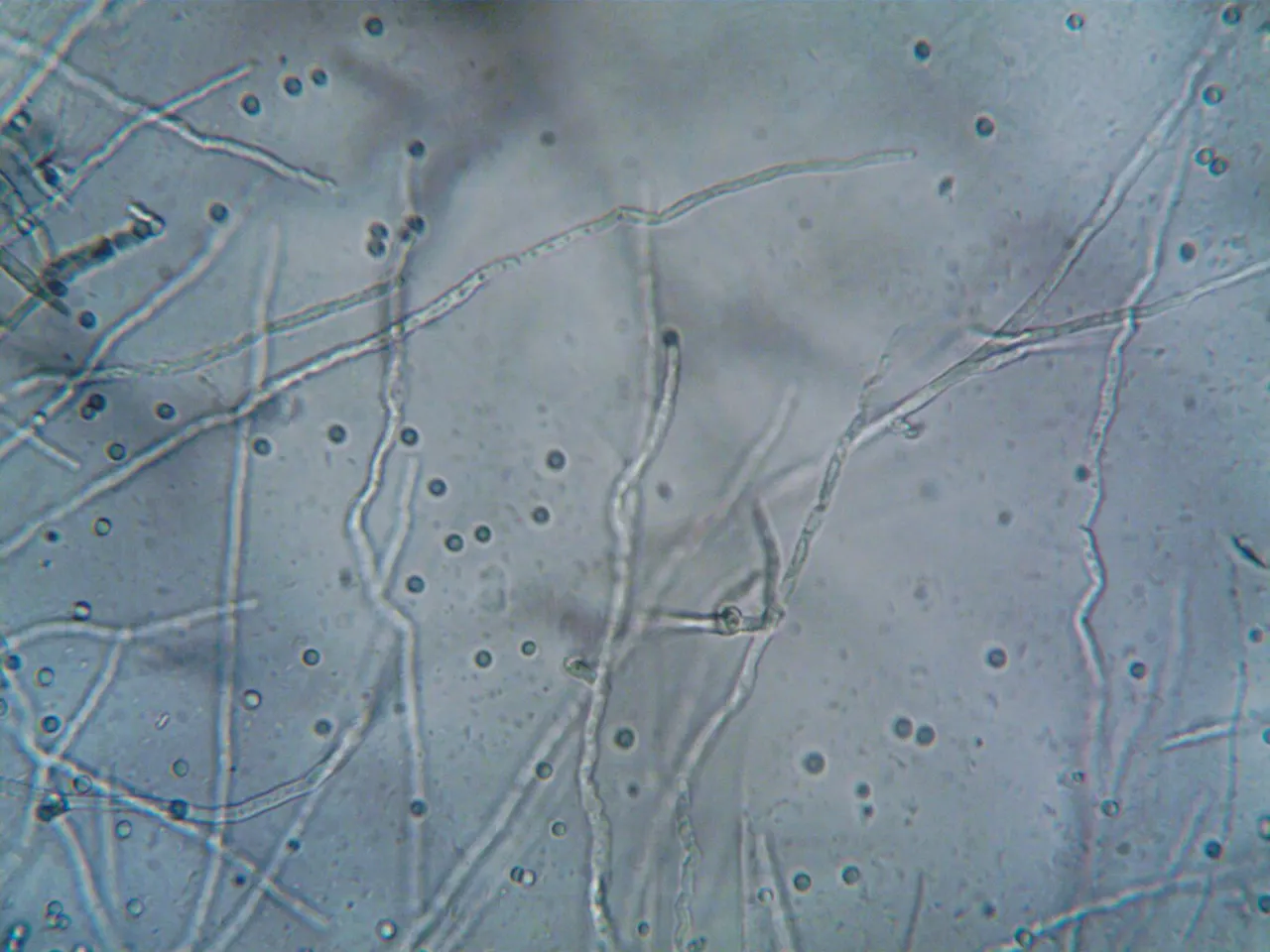
When black mold has moved off the wood and onto drywall, insulation, or framing cavities, full remediation is the next step. We contain the area, remove what cannot be saved, and treat the rest so the wood work holds.
View service
Before we treat any wood, we confirm what is growing and how far it spread. Air and surface samples plus moisture mapping tell us whether you are looking at mold, mildew, or just water staining.
View serviceWood is rarely the only material affected. This service covers the surrounding drywall, trim, and debris so the treated wood goes back into a clean cavity instead of a contaminated one.
View serviceAfter a storm leak or burst pipe, mold can start on wet wood in 24 to 48 hours. We respond 24/7, extract standing water, and start drying before the wood becomes a treatment job.
View service
Call (772) 477-0320 any time, day or night. We answer live and dispatch same-day for mold inspections and emergency remediation across Fort Pierce. If you prefer email, send photos and your address to [email protected] and we will follow up within one business hour.